Archive for the ‘Photography’ Category

The dragon on the City of Ljubljana’s coat of arms symbolises strength and courage. The dragon is located on the top of the castle.

Ljubljana coat of arms

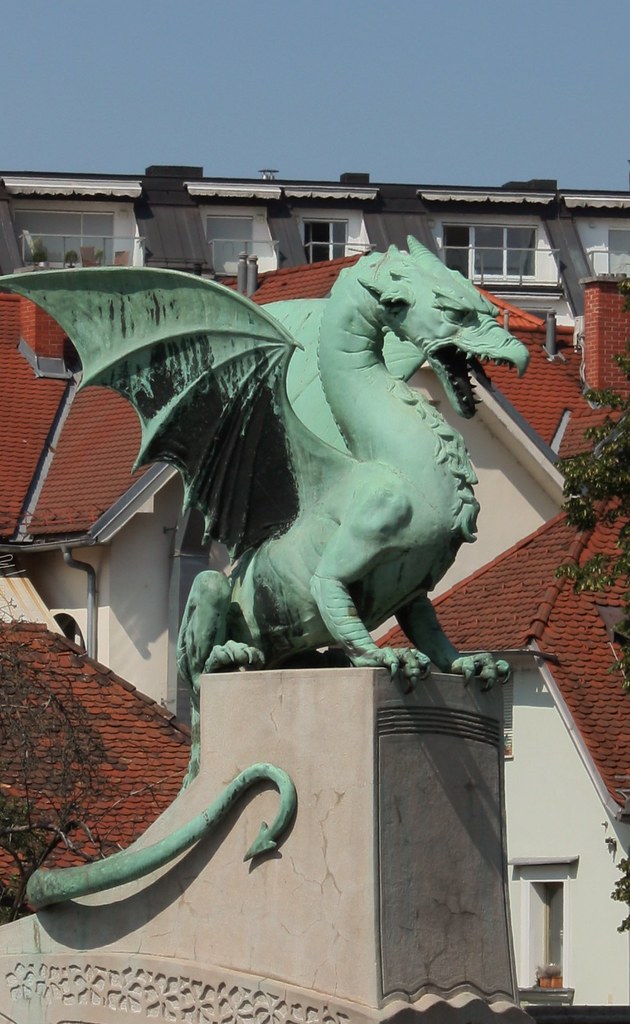
There are four gorgeous dragons on the Dragon bridge:

Dragon on Dragon Bridge

Dragon Ljubljana Slovenia complete statue

Ljubljana Slovenia Dragon
Dragon Bridge ~ side view

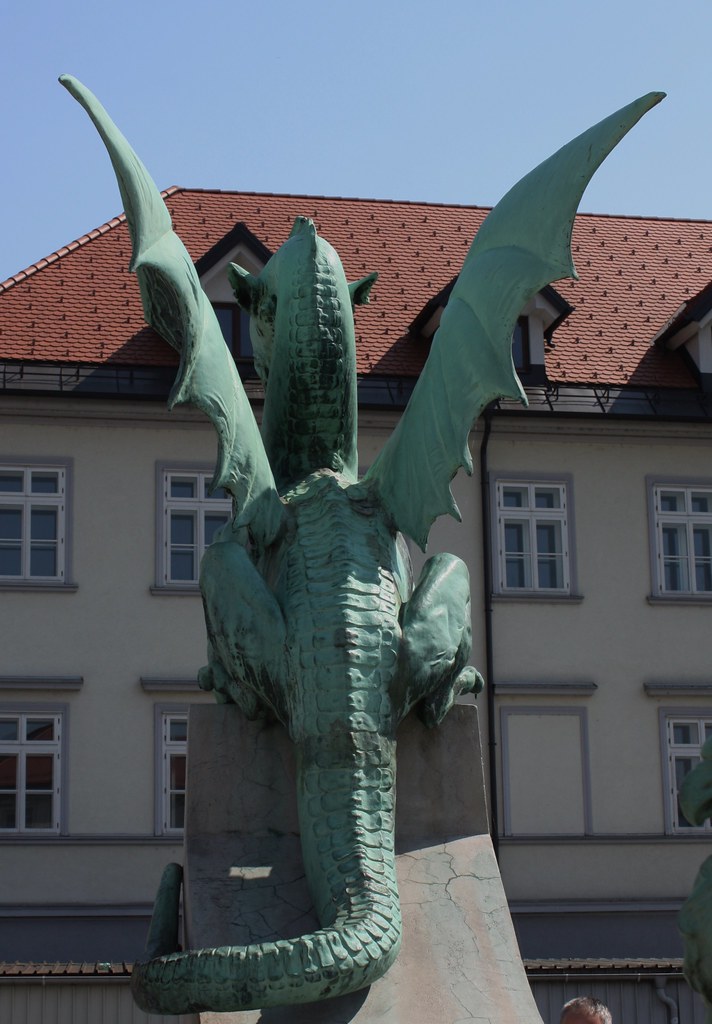
Dragon backside Ljubljana Slovenia

There are several versions of the story of the Ljubljana Dragon:

The Ljubljana dragon is thought to come from the legend of Greek hero Jason and the Argonauts. Jason and his Argonaut comrades stole a golden fleece, which was the coat of a golden ram, from the King of Colchis who lived on the Black Sea. They fled their pursuers but found themselves at the mouth of the Danube River rather than at the Aegean Sea and their Greek homeland. There was no way for them to go back so they continued up the Danube and eventually made it to the River Ljubljanica.

After wintering at the mouth of the Ljubljanica, they took their ship, the Argo, apart and carried it on their shoulders to the Adriatic sea, then they put their boat back together again and sailed on ending in Ljubljana. The Argonauts stumbled onto a large lake with a marsh which is where a terrible dragon lived. Jason killed the dragon after a heroic battle. The dragon became known as the Ljubljana dragon. It is said that Jason was the first true citizen of Ljubljana.

The other version of the Dragon story is taken from St George who is the the patron saint of the Castle Chapel. St. George is often depicted as slaying a dragon. In ancient times, Castle Hill was a sacred place then in the Middle Ages, when the foundation of the castle was laid, the builders dedicated the Castle Chapel to St George. And the dragon comes with St. George.

The dragon is a part of the coat of arms on numerous buildings owned by the city. After WWII, the dragon has been used by various companies such as the name of a torch company, on cigarette packages, as a fashion award and on beer bottle labels like the Union Beer can:
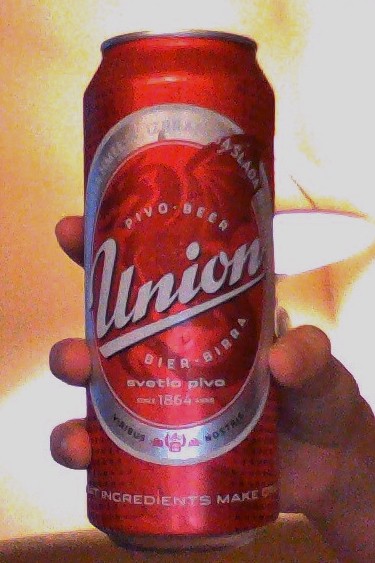
Union beer dragon

Who doesn’t love a dragon…

Read Full Post »

We decided to take a very last minute, unplanned trip to Slovenia and Croatia. It has been a whirlwind but lots of fun. Slovenia is one of our favorite countries in Europe. The capital, Ljubljana is safe, beautiful and very friendly. When we lived in Germany, we visited Slovenia four times but our last visit was 10 years ago. There have been a few changes but the essence of the country is still the same. Thankfully, the city seems even better than we remembered.

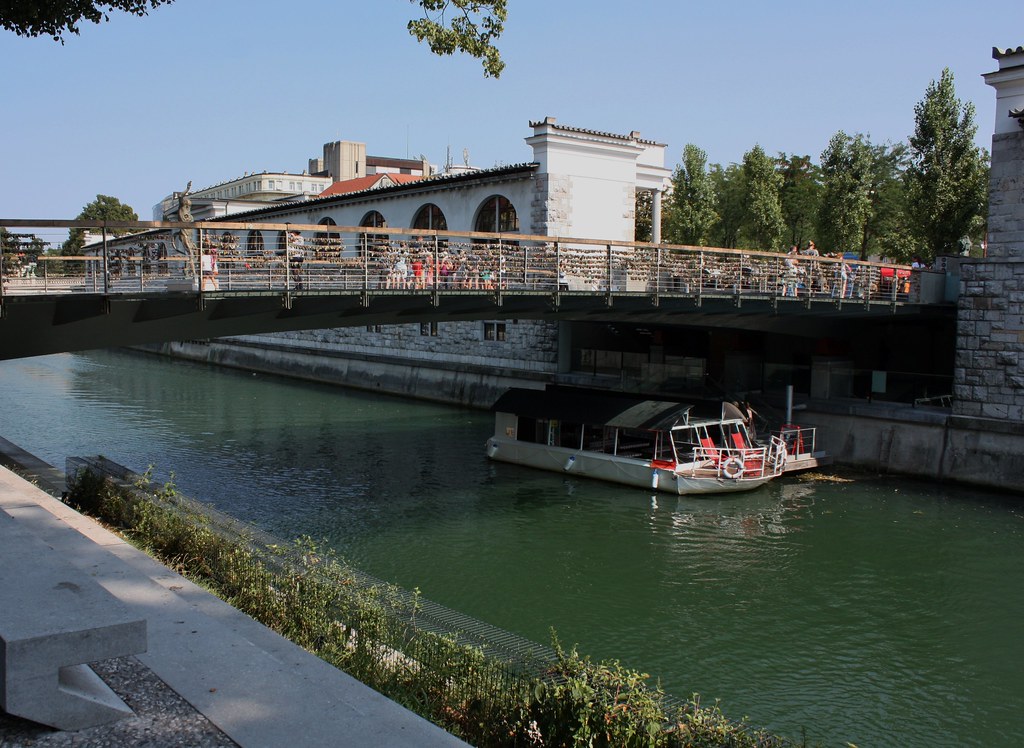
Boat under bridge in Ljubljana Slovenia
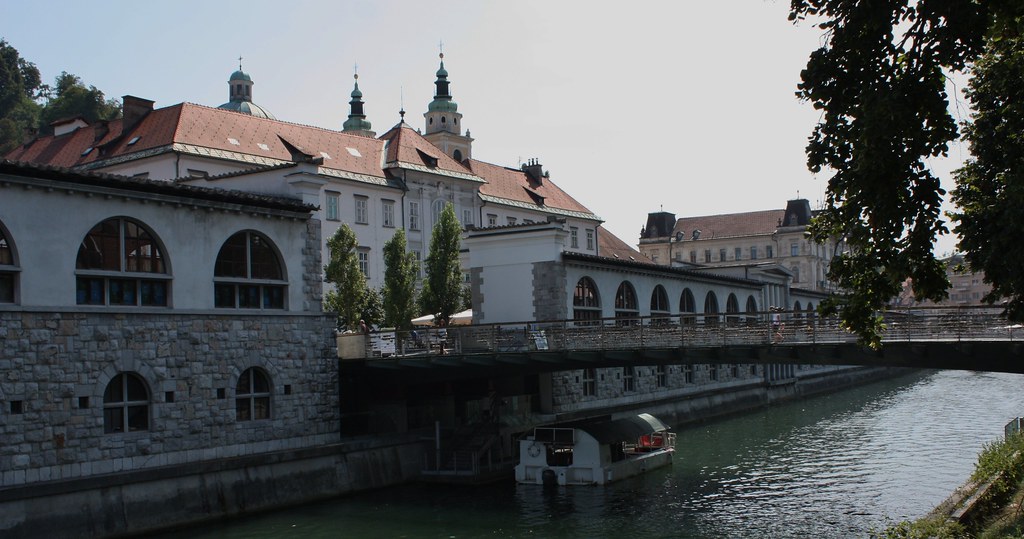
The beautiful Ljubljanica River which flows through the center of the city

Boat under Bridge Ljubljana Slovenia II
The Ljubljanica was a major supply and trade route from Roman times until the advent of the railways. You’ll find a lot of social activity along the river with many outdoor cafes, tourist boats and entertainers.

Dragon Ljubljana Slovenia complete statue
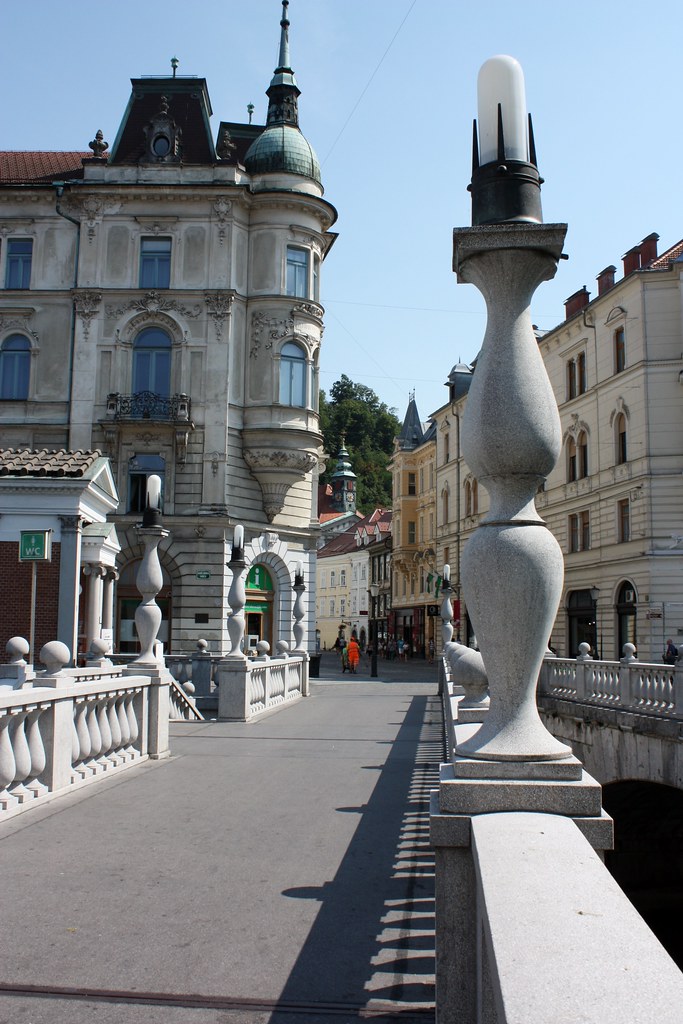
The Dragon Bridge. The Dragon is the symbol of Ljubljana and you will see the fierce-looking dragons all over the city.

Dragon backside Ljubljana Slovenia
Back side of the Dragon Bridge

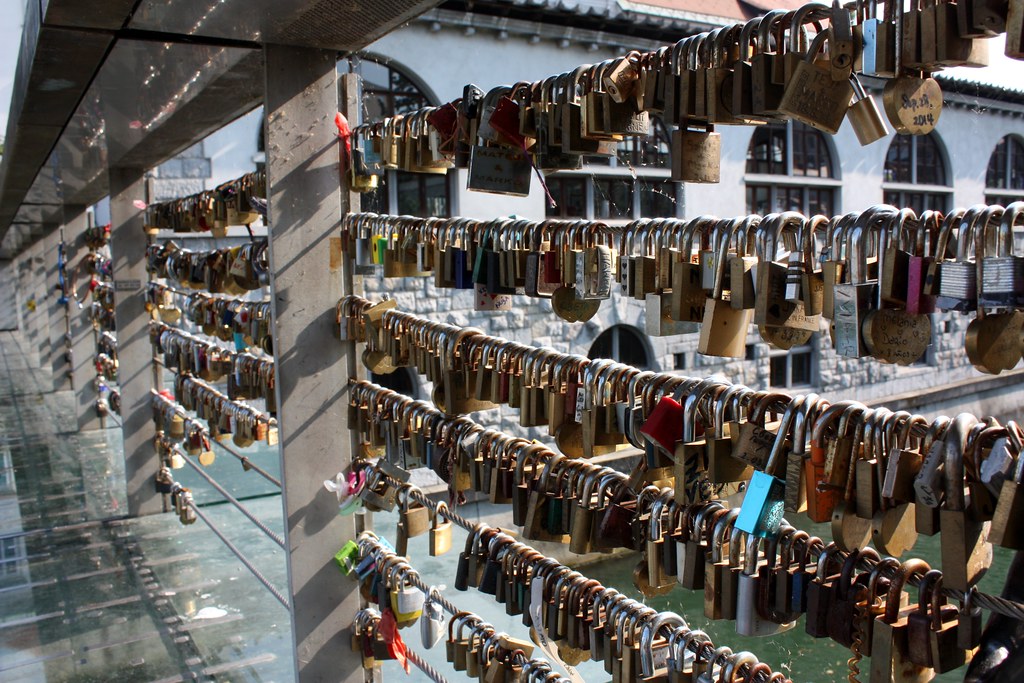
Locks on the bridge Ljubljana Slovenia
The Butcher’s Bridge, built in 2010, has become a popular spot for the lover’s locks. Keys are thrown into the river. Personally, I’m not a big fan of the locks (or the litter going in the river). Call me unromantic but I think lovers should have to use combination locks so if they break-up, one of them can come back and remove the lock.

One of the three bridges in Ljubljana Slovenia
Walking across “Triple bridge” off the main square in the city center. It was originally built in 1842 and is a good starting point when touring the city, especially for first timer.

Two boats under bridge in Ljubljana Slovenia III
The first thing we did when we arrived is head down to the river, have a glass of wine and RELAX!

Read Full Post »

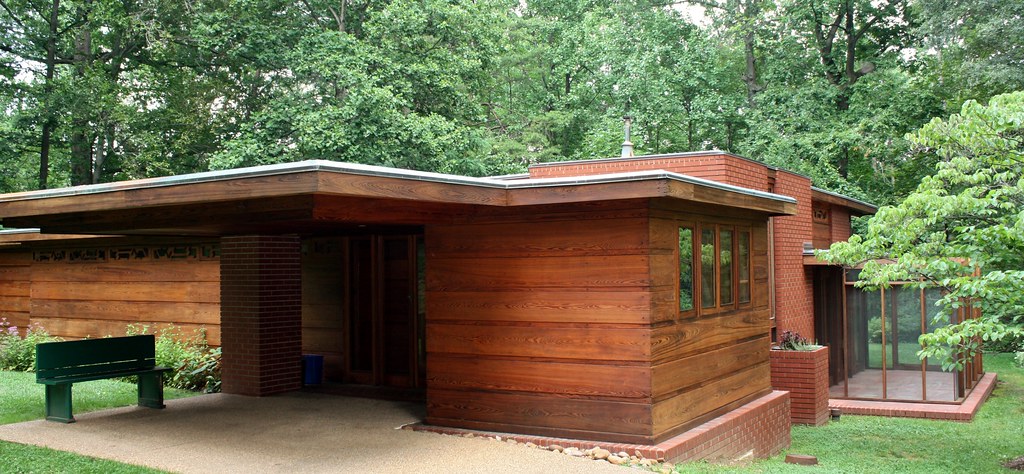
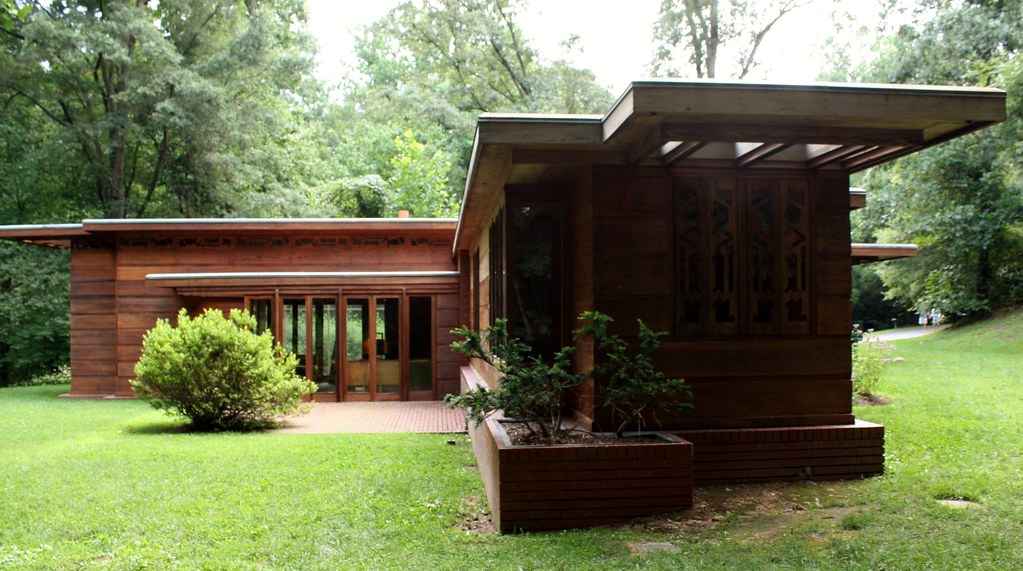
The Pope-Leighey House was owned first by Loren Pope, a journalist. He was intrigued by Frank Lloyd Wright’s home designs and wrote to the architect asking to be considered. At the time, Wright made his decisions based on the location and family. The house was commissioned in 1940 and became part of the more than 100 of these modest homes, referred to as Usonian, which were constructed between 1936 and Wright’s death in 1959.

The Leigheys were the second owners of the home. In the 1950s, when Hwy 66 was being widened and in danger of being destroyed due to eminent domain, Mrs. Leighey graciously gave the property to the National Trust, which relocated it to nearby Woodlawn. They granted her lifetime tenancy and Mrs. Leighey lived in the house at Woodlawn until her death in 1983.

In 1995-96, the house required another move due to the unstable clay soil but this time, it only had to be moved thirty feet up the hill. Currently, Route 1 is expanding and Woodlawn/Pope-Leighey House are along the route. Wisely, the decision makers went with the other side of the road so both historic sites wouldn’t have to be moved.

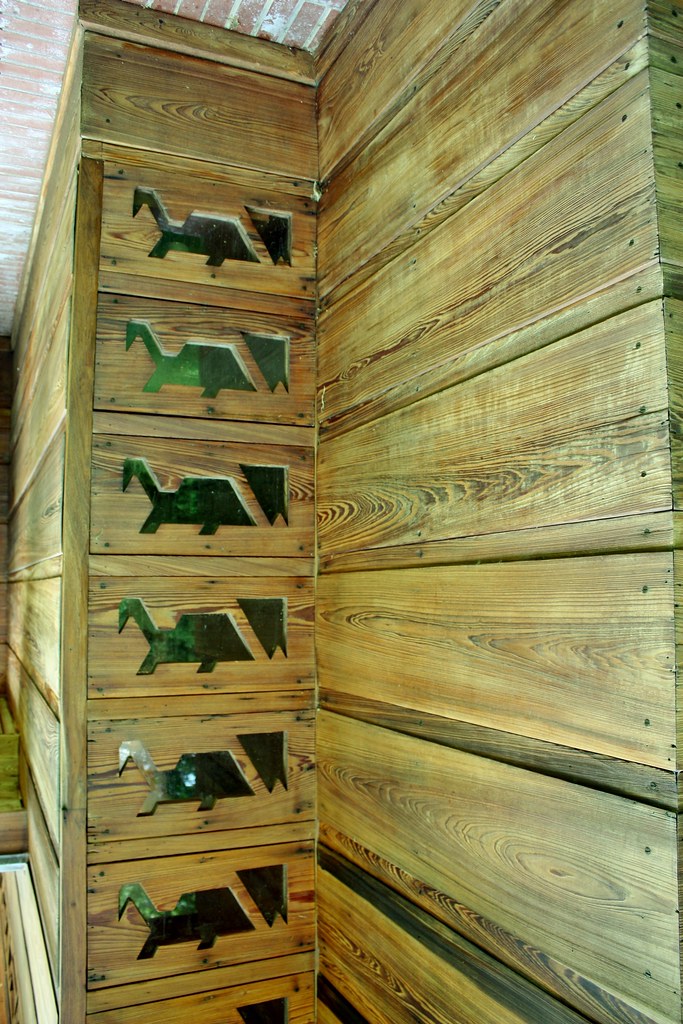
Pope Leighey carport and front doorFront Entrance and car port Pope Leighey dinosaur

Detailed woodcarving on all the windows.

Pope Leighey porch

Between 1936 and Wright’s death in 1959, he focused on designing and constructing over 100 affordable, middle-class residences. The style was referred to as Usonian, thought to mean “the United States of North America.”

Pope Leighey House I
The house is very small and would be ideal for a beach or lake house but I couldn’t imagine a family of five, like the Popes, living in it comfortably. No privacy whatsoever. On the positive side, it blended in nicely with the environment and all the little details inside the home were clever and quirky.

Read Full Post »

As we drove through the hot summer haze heading into Philadelphia, with smoke stacks spewing and litter on the roads, we realized we’ve been spoiled with the clean streets of Washington DC. We were in town to tour three colleges so our time for visiting Philly’s famous landmarks was limited. First stop: Liberty Bell and Independence Hall.

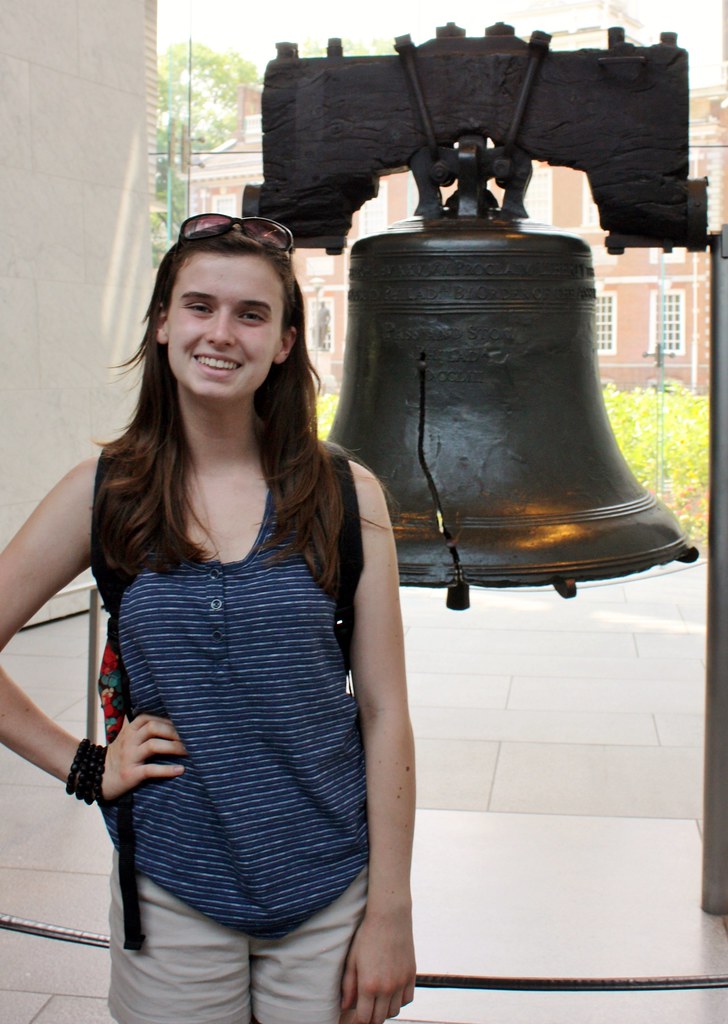
The iconic Liberty Bell, the symbol of Freedom, first rang in the tower of the Pennsylvania State House now called Independence Hall. In the 19th century, the inscription on the bell became a rallying cry for abolitionists in the hopes of ending slavery.

Philadelphia Liberty II
Proclaim Liberty Throughout All the Land Unto All the Inhabitants thereof,” the inscription on the Liberty Bell

Philadelphia Liberty Bell III

Philadelphia Liberty Bell Dalai Lama
Global Symbol of Liberty

Liberty Bell and Logan

The Liberty Bell is located at Liberty Bell Center (6th & Market Streets). The queue starts at the doors on the north end of the building. Entrance is free and we waited in line for about 10 minutes. Security will check your bags before you enter. Food & drinks (except water) are prohibited. Be sure to give yourself enough time to read the displays and watch the short video ~ about 20 minutes. For more information, go to their website here.

After viewing the Liberty Bell, we strolled through Signer’s Park. A nice place to take a break for a moment.

Philadelphia The Signer
The Signer

Philadelphia Signers Garden
Signer’s Park Bench

Read Full Post »

Touring the Hermione was so much fun and, lucky me, a friend shared her extra ticket with so I went twice!

The ship is amazing. I’m in awe of the hand craftsmanship and the 18 years it took to build it. While standing on the deck, I imagined what it must have been like being in the middle of the Atlantic ~ how exciting!

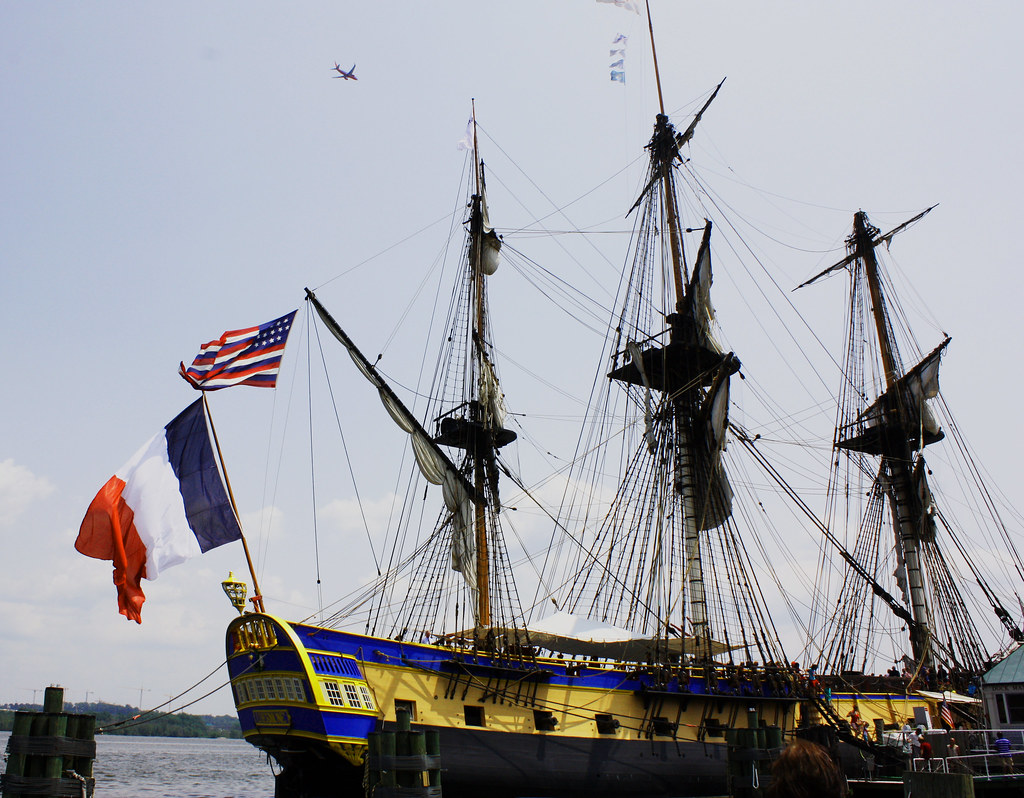
Hermione side view
The Historic Hermione and airplane in flight overhead

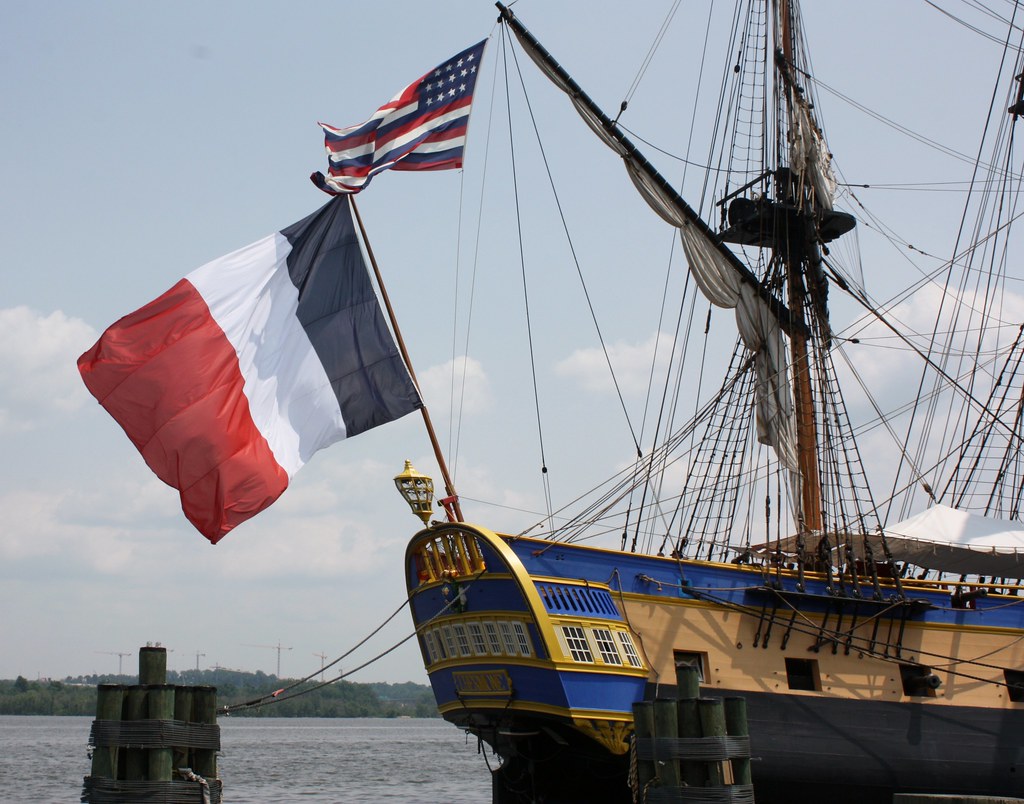
Hermione French Flag and Continental flag
French Flag and Colonial Flag.

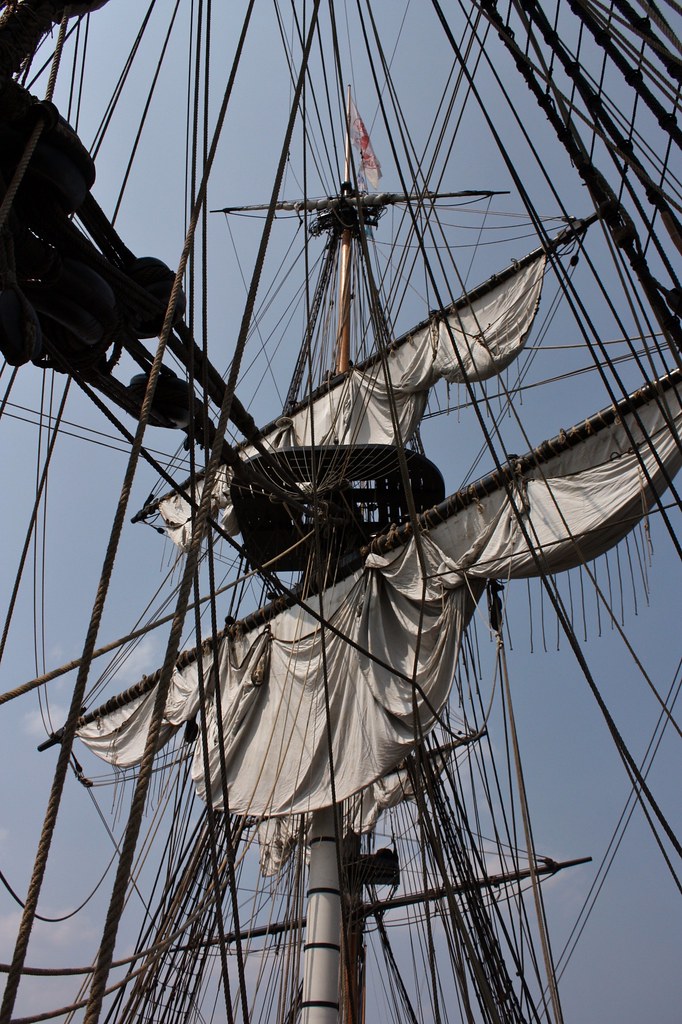
Hermione Rigging and ropes
There are 15 miles of rope and the height of the ship is 56.5 meters (185ft)

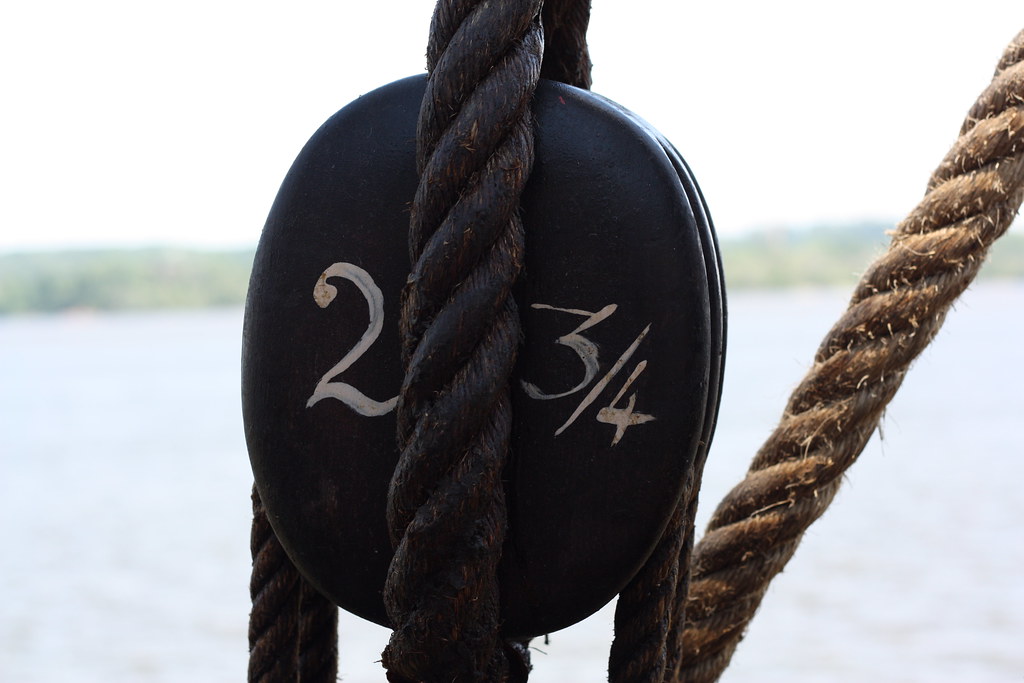
Hermione
No idea what this is or why there’s a measurement on it but thought it looked cool

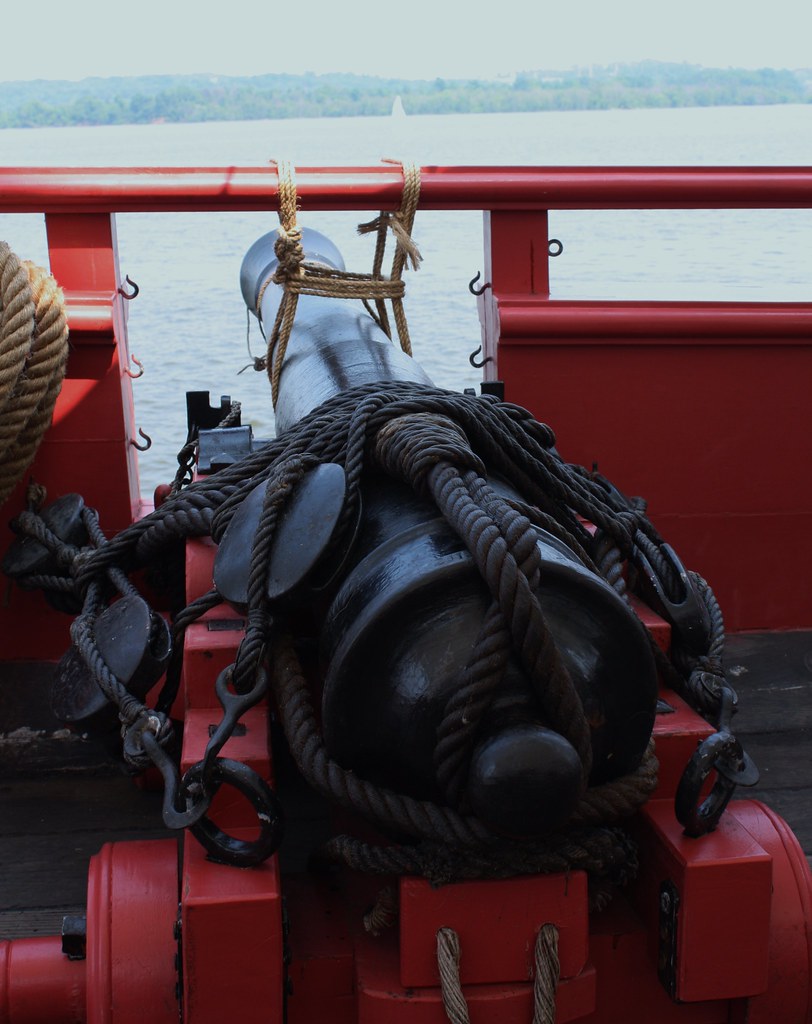
Hermione canon
The original Hermione was a fighting ship and there are 34 canons

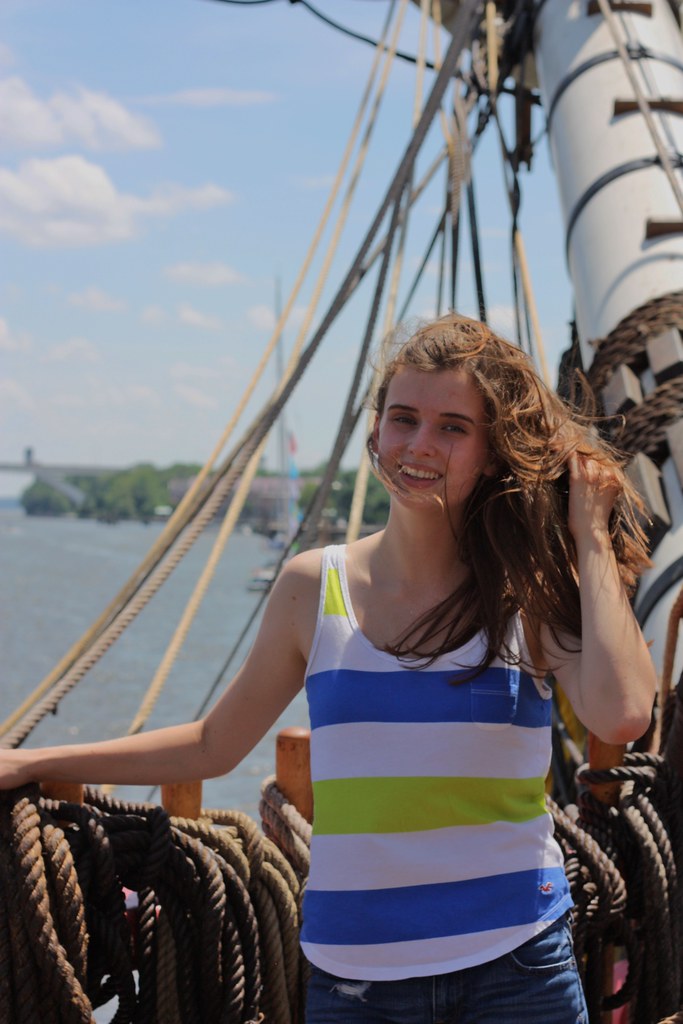
Hermione Logan
There was a nice breeze on board

Hermione Leslie and Joe
Lots of happy smiles

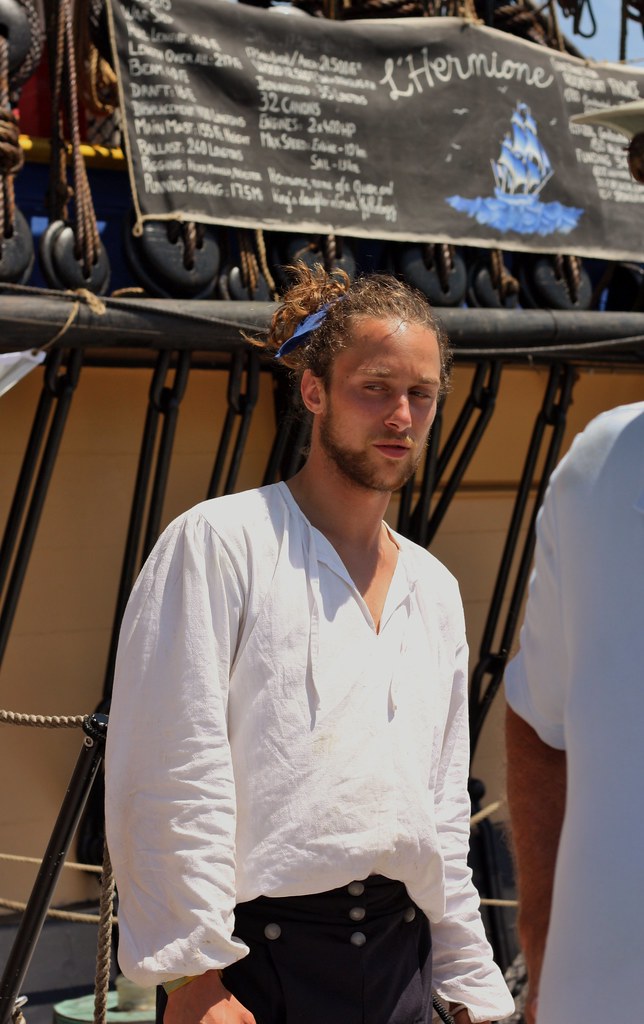
My favorite part of the tour was speaking with the volunteers and crew members about their maiden voyage on such a historic ship. Wish I could actually speak French because I’m sure a lot was lost in translation but thankfully the volunteers spoke enough English to tell their stories.

Hermione crew member with man bun
Cute Frenchmen

Hermione Logan VII
Another cute Frenchmen…
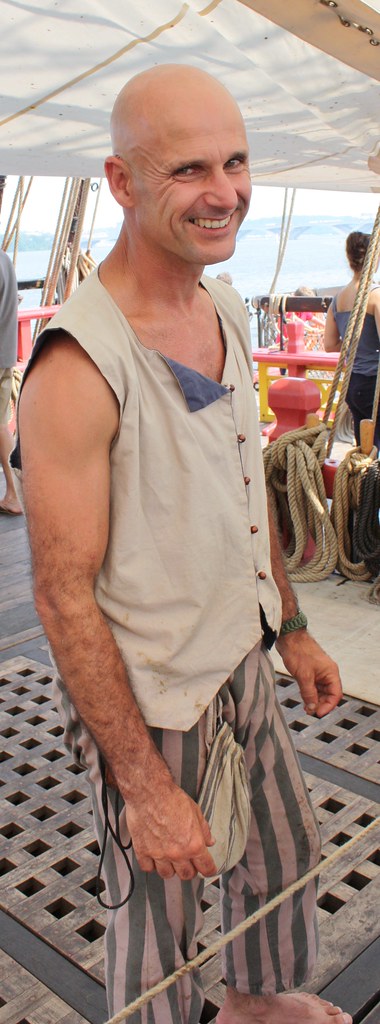
Hermone prisoner garb
Pirate looking volunteer

Hermione crew member
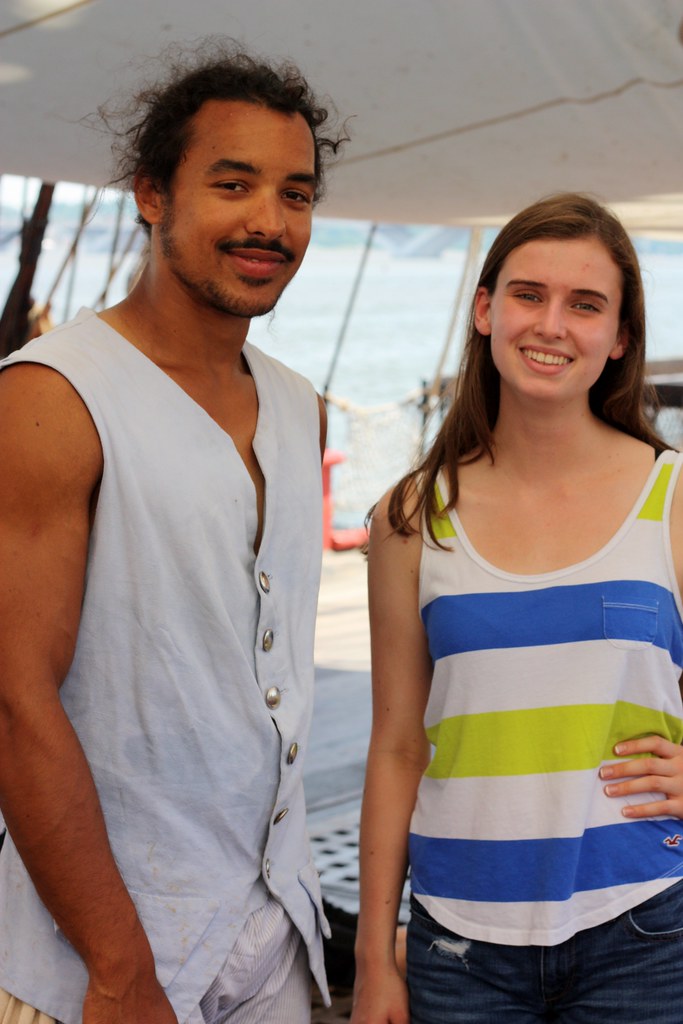
Frenchwoman as part of the crew

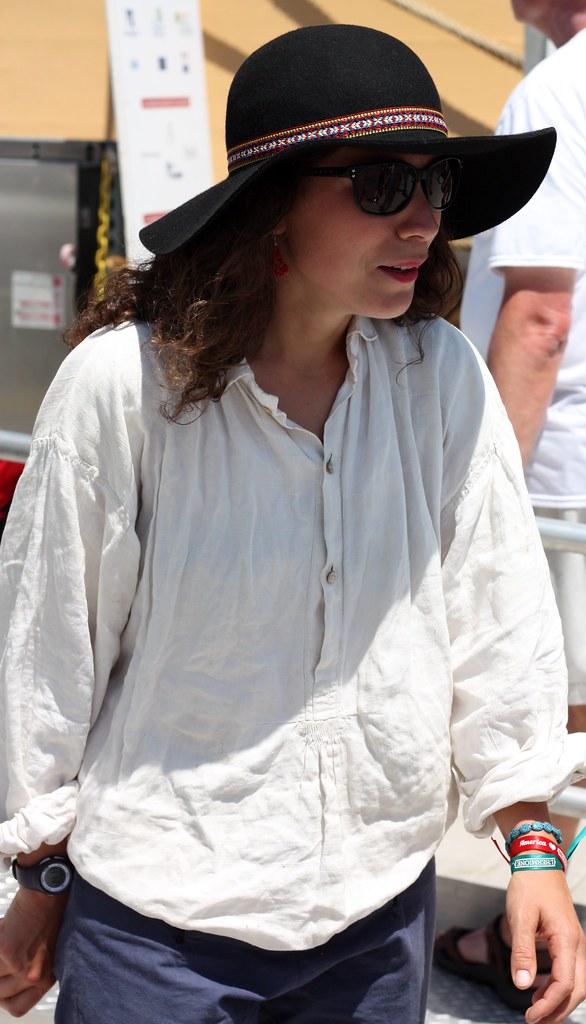
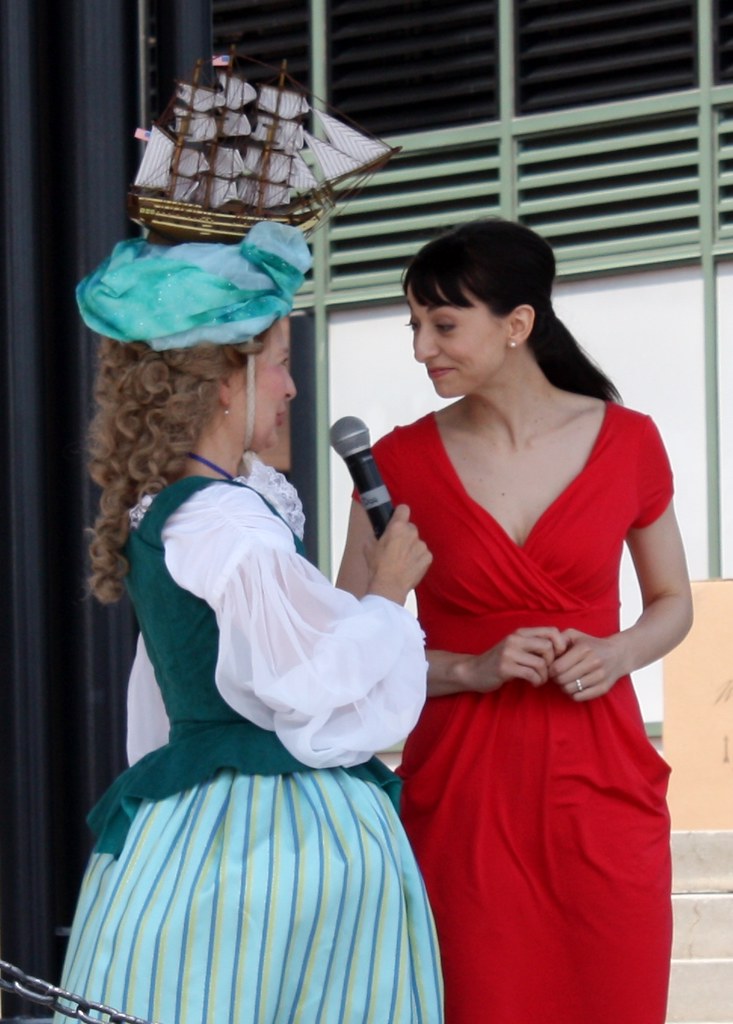
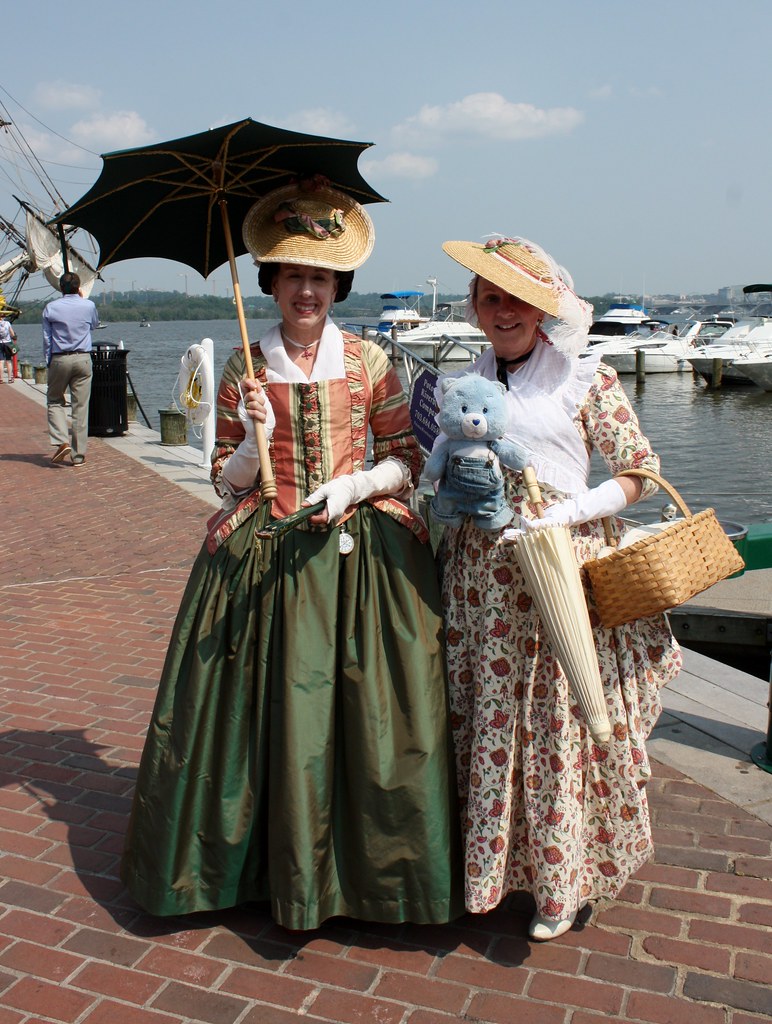
Other than the volunteers and crew members, local reenactors joined the ship while it was in port:
Hermione Hat
Love the Hermione Hat

Hermione Grumpy the Bear with two ladies
Colonial women greeting the ship

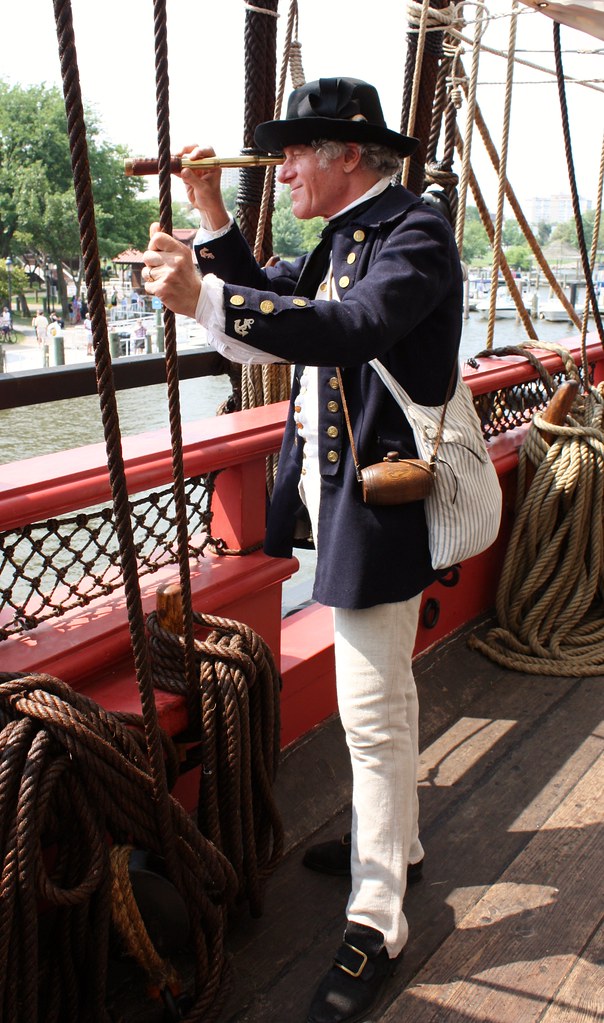
Hermione looking out to the shore
On the Lookout for trouble

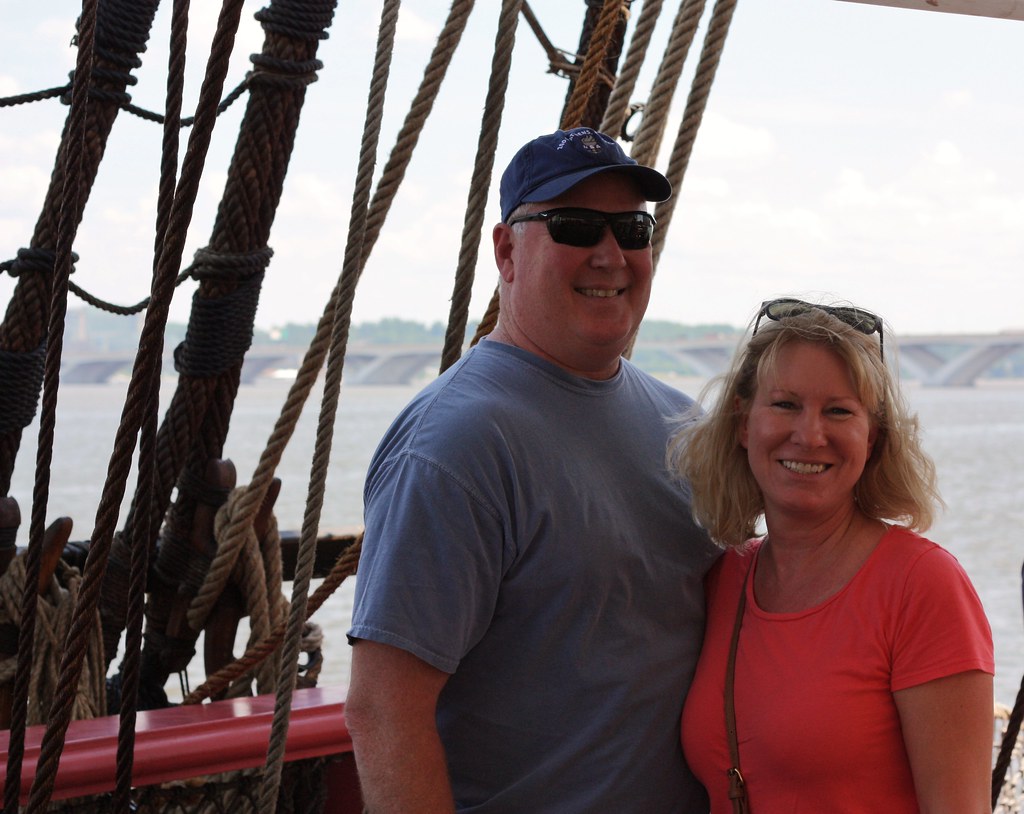
Another fun aspect of touring the Hermione is I got a chance to meet a fellow blogger, Robin and his wife. His photos of the Hermione are fabulous ~ check them out at Photographybykent.

The Hermione has been making her way up the Eastern Seaboard and has stopped in Annapolis, Baltimore, Philadelphia and is currently in New York City until July 4, 2015. Click here for a fantastic NY Times article about their arrival in NYC and more historical facts about Lafayette.

Next three stops are: Greenport, NY, Newport, RI and Boston. If you get a chance, I highly recommend touring the ship (or at least seeing it up close). You won’t be disappointed. See full itinerary here.

Read Full Post »

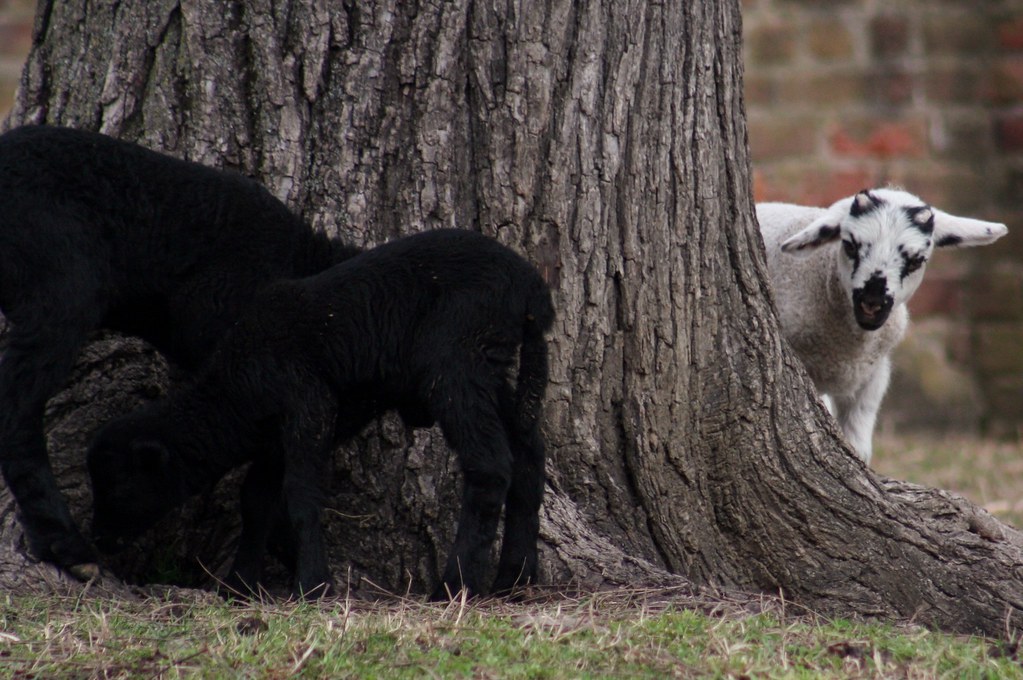
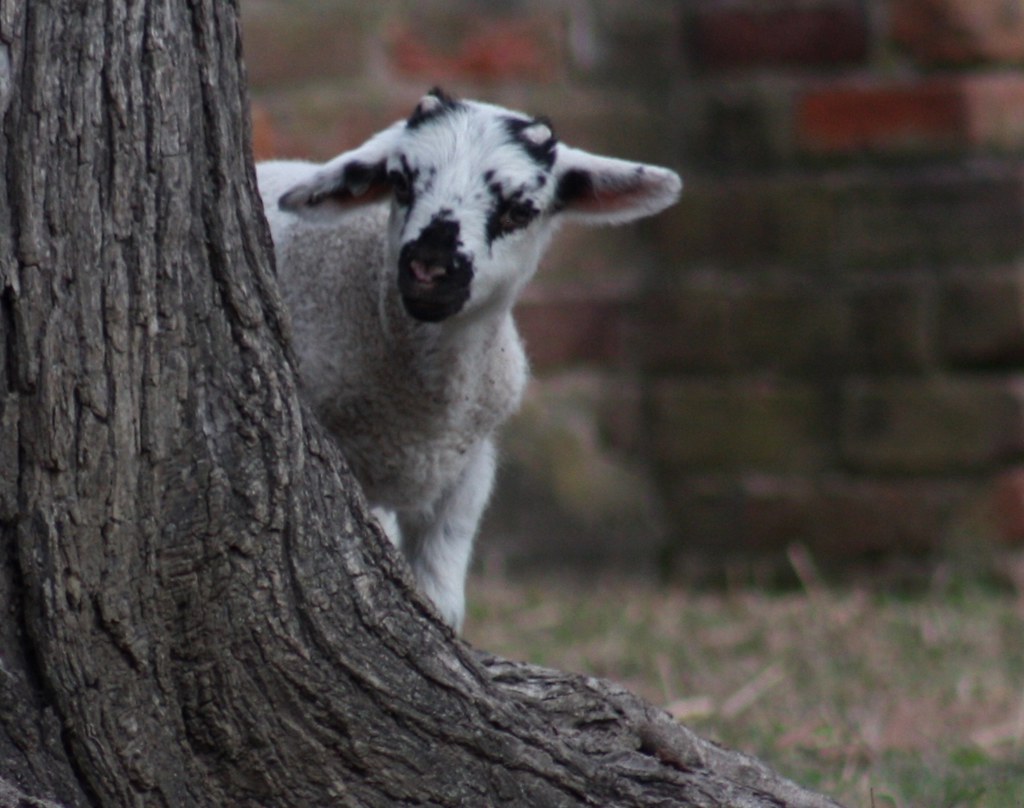
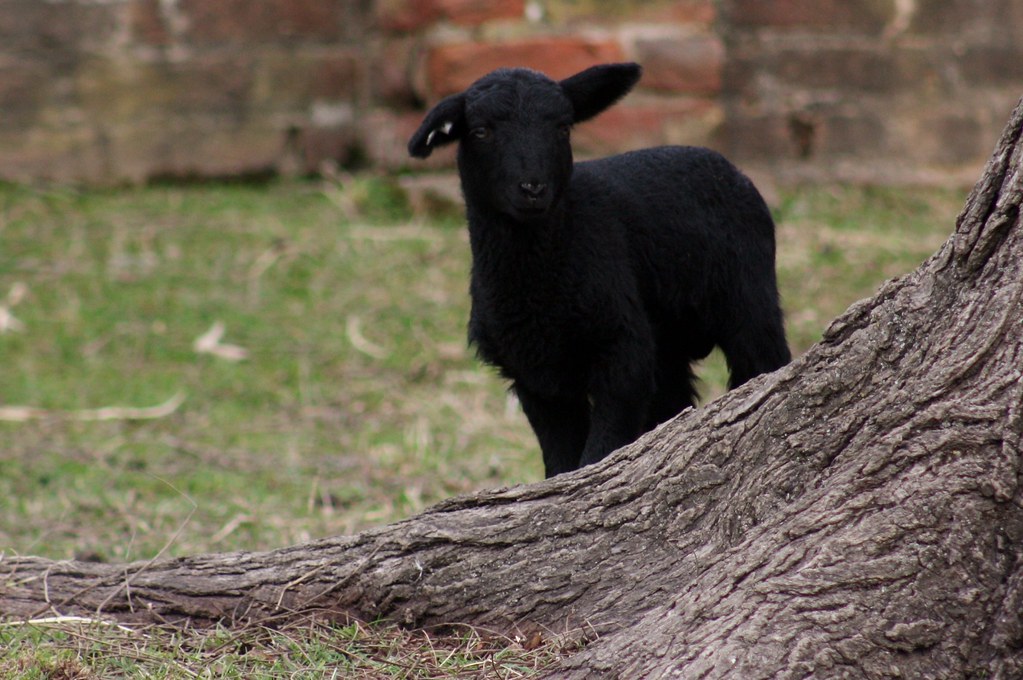
Despite the continued cool temperatures, I’ve been getting glimpses of spring. Most recently I saw the lambs at Mount Vernon. Such sweetness:

Lambs
Peeking around the corner

Lamb

Lamb III

The Rear View (lambs at Mount Vernon)
“Rear View”

Mount Vernon is requesting name suggestions for these adorable lambs. Go to their Facebook page here to give your clever names. Someone has already suggested Charles and Camilla in honor of the recent Royal visit.

Read Full Post »

On March 27, 1912, Cherry Blossom (Sakura) trees were planted along the Tidal Basin in Washington DC. They were a gift of Friendship and Goodwill from the Japanese Government. The Japanese were thankful for the role the United States played in brokering The Treaty of Portsmouth which formally ended the Russo-Japanese War of 1904–05.

But the original idea for bringing the beautiful Sakura to Washington DC came from Eliza Scidmore. She worked as a travel writer and photographer. In 1885, she fell in love with the Cherry Blossom trees while visiting her diplomat brother in Japan and thought they would look lovely around the marshy area that had yet to be developed (later to be the National Mall and Tidal Basin). It took her almost 20 years to have her dream realized.

It wasn’t until she caught the attention of Dr. David Fairchild that the plan starting to take shape. He was a plant explorer and an official at the Department of Agriculture. In 1906, he personally imported seventy-five flowering cherry trees from Japan and planted these on his property in Chevy Chase, Maryland to test their survivability this area. By 1907, encouraged by the success of their own trees, the Fairchilds began to promote the idea of importing Cherry Blossoms for Washington DC. By 1909, First Lady Helen Taft was involved which meant the White House was on-board and it all came to fruition within a few years.

I’m not a fan of introducing plants or animals into an area where they aren’t indigenous. There have been too many destructive results from both intentional and unintentional introductions. As an example from a very long list, Fireweed (also known as Madagascar Fireweed) was discovered in the 1980s in Kohala’s cattle pastures on the Big Island (Hawaii). Many believe it was brought in via ground cover seeds from Australia where it is also invasive. The weed is toxic to cattle and is estimated to cost the Australian government and cattle industry over $2 million a year.

Even the beloved Cherry Blossom trees were not without incident. The original two thousand trees had to be burned once they arrived due to heavy bug infestations. Despite the possibility of a diplomatic disaster, the risk to the native trees, plants and crops was too high to be ignored. Thankfully, another 3,020 Cherry Blossom trees were sent and haven’t had any negative side-effects on the local environment ~ unless you count too many visiting blossom stalkers.

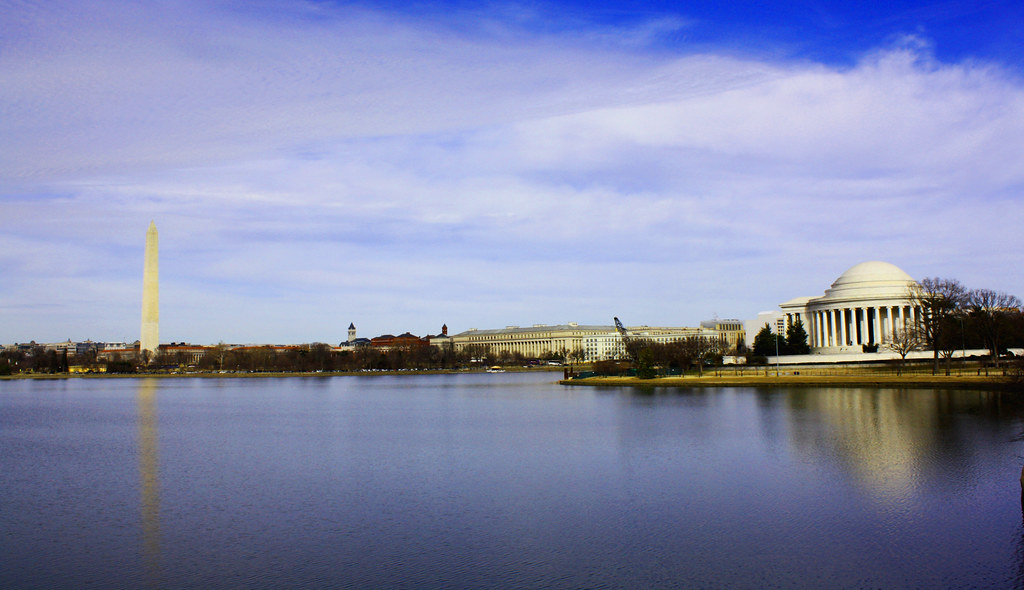
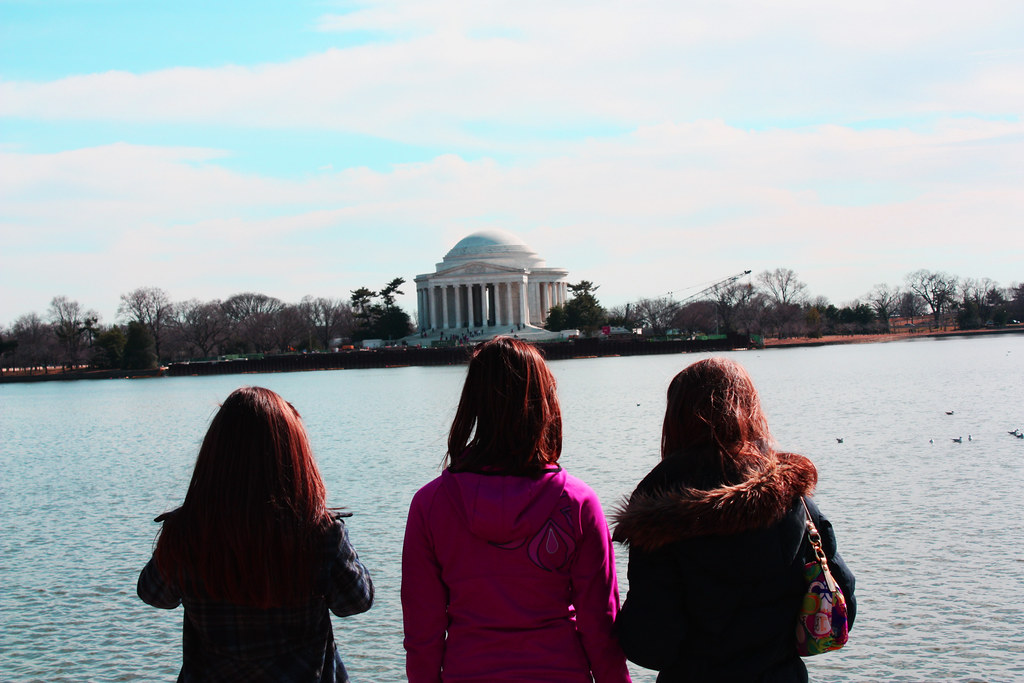
This is what the Tidal Basin in Washington DC looks without the blooms…
Tidal Basin Cherry Blossom Trees

Waiting for the Cherry Blossoms

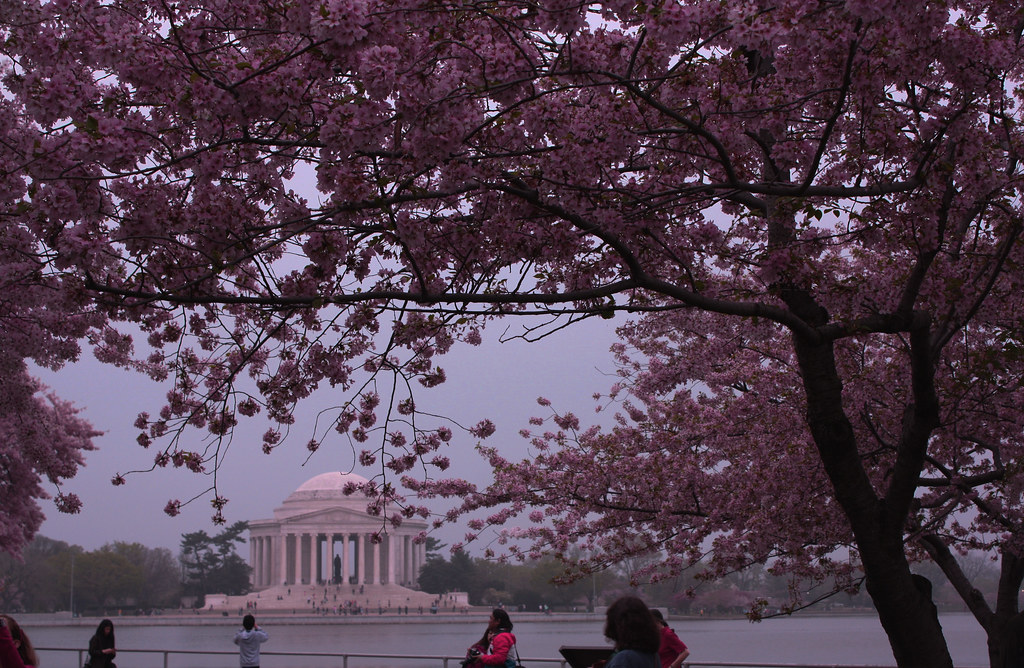
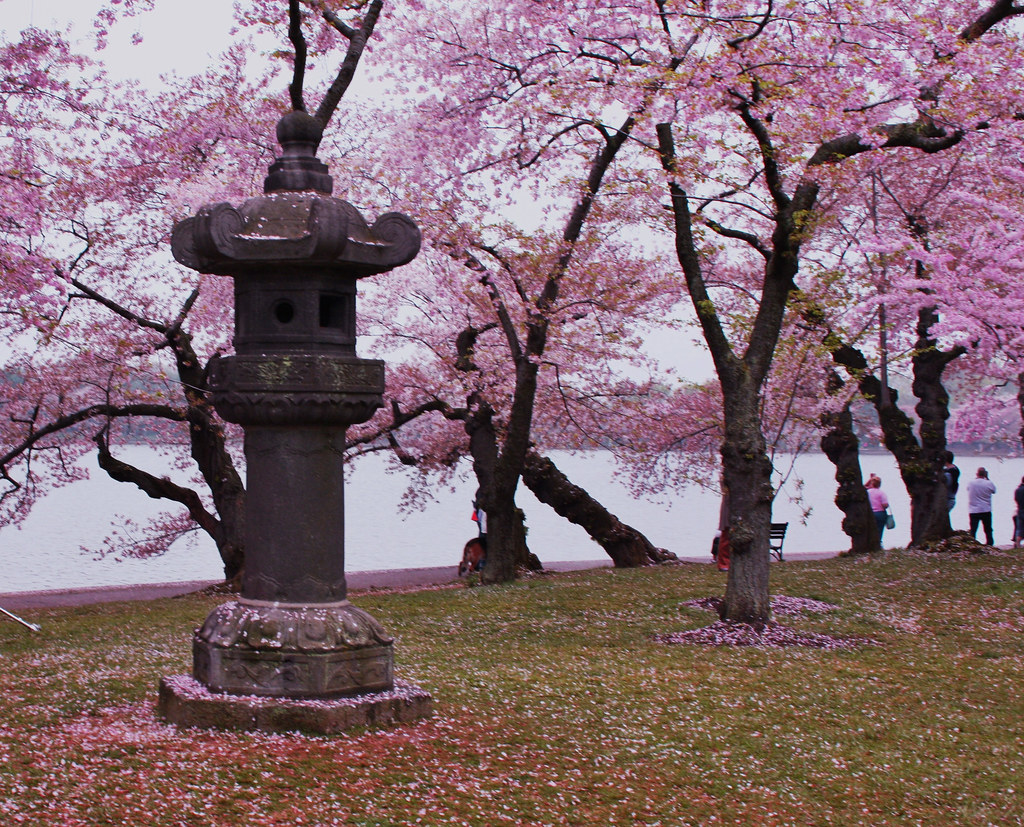
but in a few weeks it will look more like this (these were taken at the end of the bloom period in 2012):

Jefferson Memorial and Cherry Blossoms

Cherry Blossoms and a pagoda

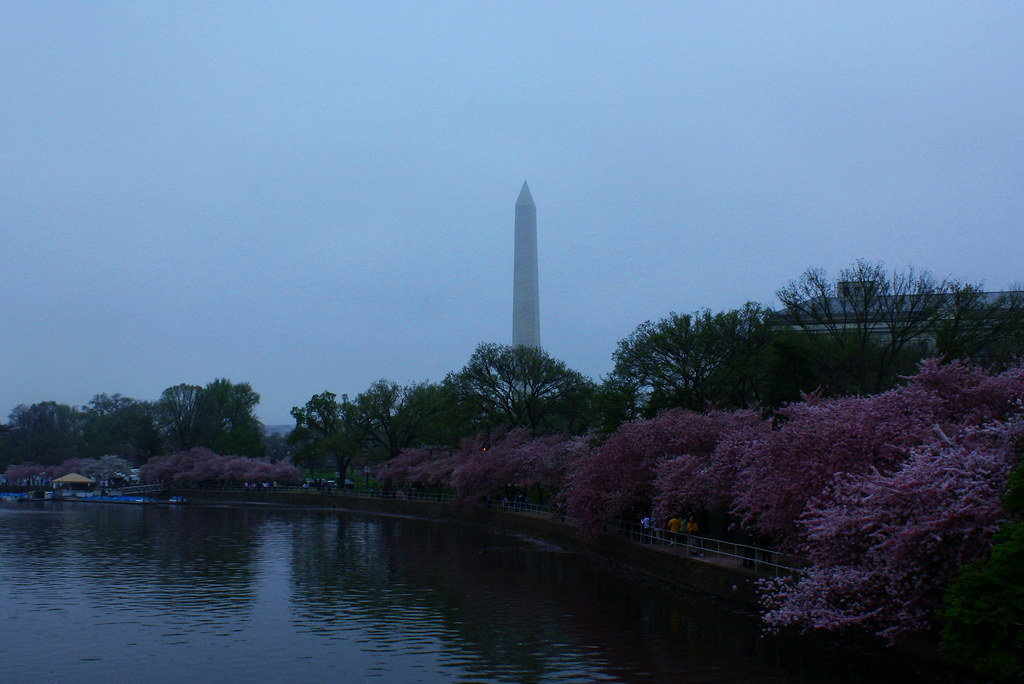
Cherry Blossoms and Washington Monument

Cherry Blossoms in Bloom

The 2015 Peak Blooms Prediction is April 11-14 which mean the blooming period will start a few days prior and can go for up to 14 days past the peak times. I’m excited I’ll be running in the Cherry Blossom 5K which is on April 12 this year ~ and hopefully the prediction is correct.

The National Park Service provides much more historic details and information about the trees as well an event list for the Cherry Blossom Festival at their website. For those unable to visit Washington DC during the Cherry Blossom season, there’s a webcam for your viewing here. The live feed isn’t active yet but will be in a couple of weeks. Enjoy!

Read Full Post »

Hello to Springtime
Bright Sakura from Japan
Brief but beautiful

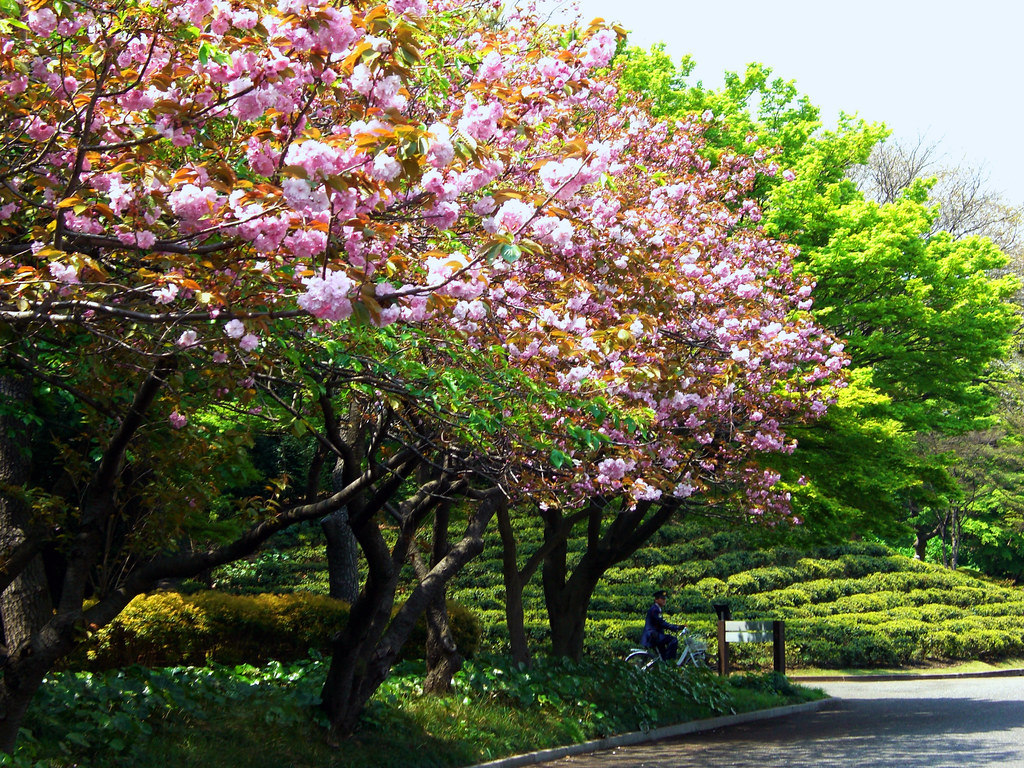
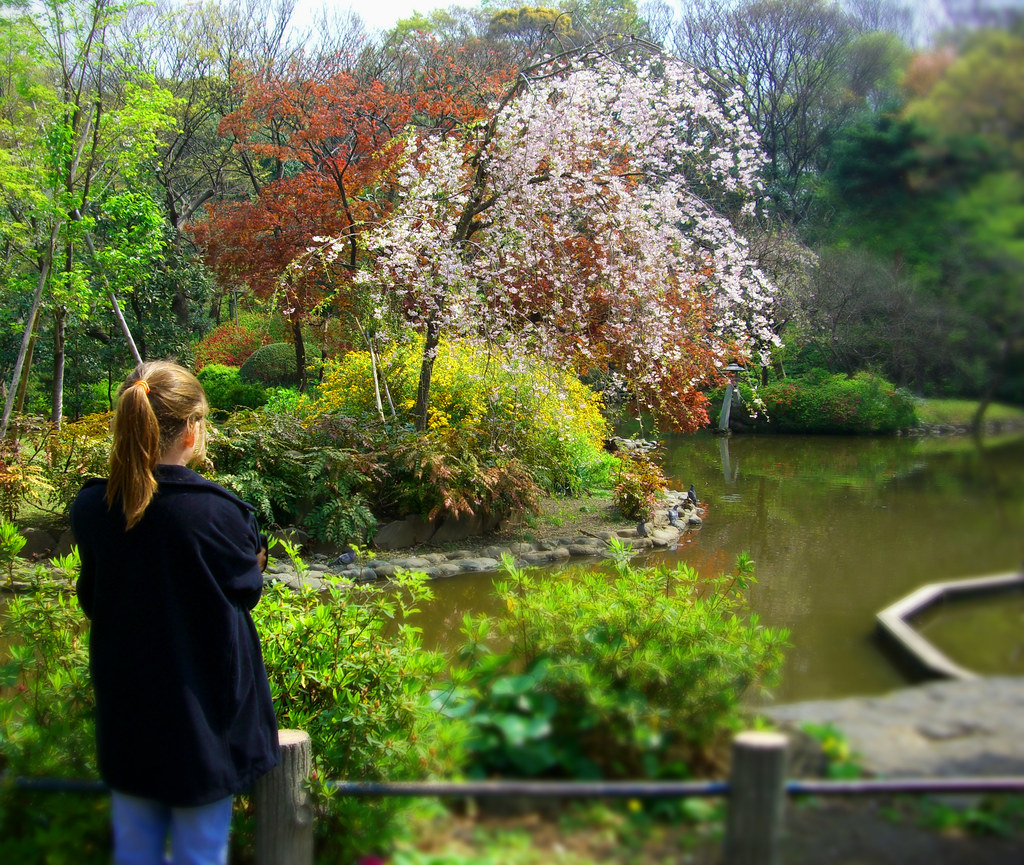
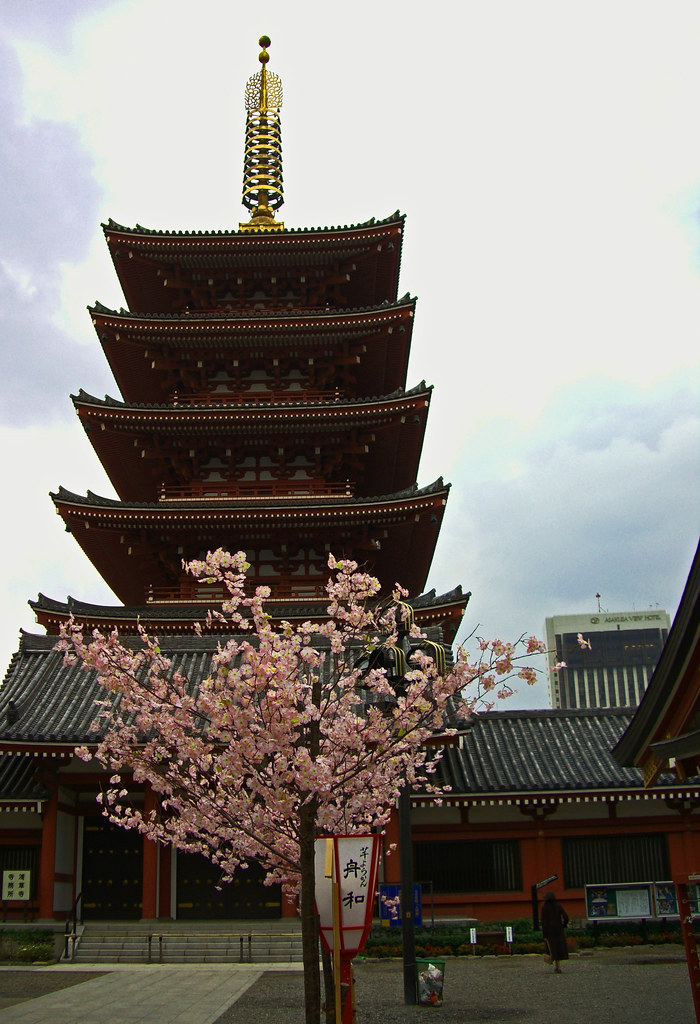
Predicting the peak Cherry Blossom bloom time in Washington DC is a “no win” situation just like those embattled school officials deciding whether or not to call a snow day. We’ve had visitors ask us when they should plan their vacations to see the Cherry Blossoms but there’s never a guarantee. The Cherry Blossoms are beautiful but extremely fickle. We felt very lucky when we visited Tokyo for a week in 2007 and the Sakura were still in bloom:

Cherry Blossom Tree
Japanese Park with beautiful Cherry Blossom Trees and a bicycling policeman

Cherry Blossom and Logan
Enjoying the view of the lake and Cherry Blossoms

Cherry blossom tree Japan
Cherry Blossom Tree and Japanese Temple

View from New Sanno Hotel, overlooking French Embassy
View of a Cherry Blossom tree from our hotel room

As we anticipate the 2015 Cherry Blossom season here in Washington DC this year, I’ve got my camera at the ready!

Read Full Post »

In 1636, British settler Reverend William Blackstone (Blaxton) owned all of Beacon Hill including Boston Common. The Common got its name because the land was used as a common pasture for grazing livestock. Once the Puritans moved into the Boston area, the reclusive Blackstone moved to Rhode Island to get away from the crowds. Imagine how he’d feel today if he could see what’s become of his former land.

Boston Massachusetts State House
Massachusetts State House sits on top of a hill overlooking Boston Common. On a sunny day, the gold dome sparkles and is almost blinding. The State House can be toured free of charge on weekdays between 10:30 to 3:30. Click here for more information.

Boston Acorn Street
Acorn Street ~ one of the most photographed streets in Boston. Under the snow is a lovely cobblestone road.

There have been many interesting and famous people who live (used to live) here:

  • In 1625, William Blaxton (Blackstone) ~ was the first settler in Boston and owned all of Beacon Hill.
  • John Hancock, first signer of the Declaration of Independence and the one with the most wealth to lose by waging war against the British, lived here most of his life and was buried in Granary Burial Ground.
  • Robert Frost lived here for three years in the 1930s.
  • Before he became a famous author and film-maker, Michael Crichton went to Harvard Medical school and then worked at Massachusetts General Hospital. He brought us Jurassic Park, Andromeda Strain and “ER”.
  • Teresa Heinz Kerry (one of the wealthiest women in the United States) and Secretary of State John Kerry are current residents.
  • Senator Ted Kennedy lived here.
  • Sylvia Plath lived in Beacon Hill for a few years and she visited poetry classes at Boston University.She’s the author of “The Bell Jar” , a classic novel about mental illness and feminism.
  • Charles Sumner, ardent abolitionist Senator during the Civil War lived here as did Jack Welch, the former CEO and Chairman of General Electric.

The North Slope side of Beacon Hill was a central meeting place for abolitionists when Massachusetts banned slavery in 1783. The African Meeting House, under the leadership of William Lloyd Garrison, became a lifeline for runaway slaves. Beacon Hill was an important destination on the Underground Railroad which is where runaway slaves were hidden, fed, and clothed as they fled to freedom. Many of the residents were supportive of the Underground Railroad even though there were laws enacted making it illegal to help a runaway slave. Only two slaves who made it to Beacon Hill were returned to their owners and thousands of others gained their freedom. During the Civil War, men were recruited at the African Meeting House and made up the first black military regiment in the United States, known as the 54th Massachusetts regiment.

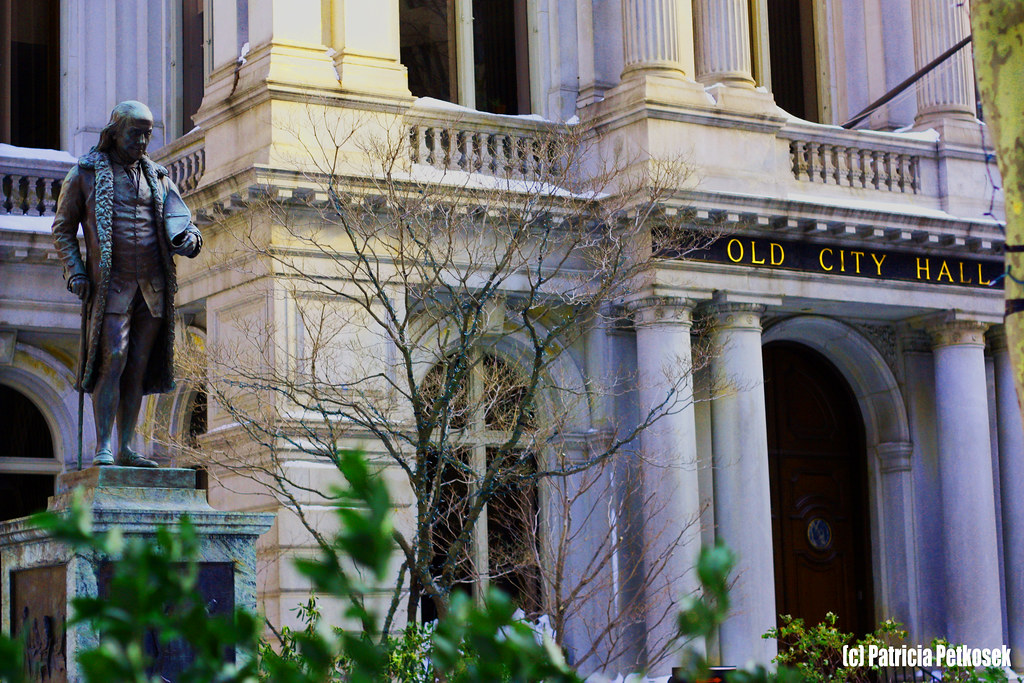
Old City Hall and Ben Franklin Statue

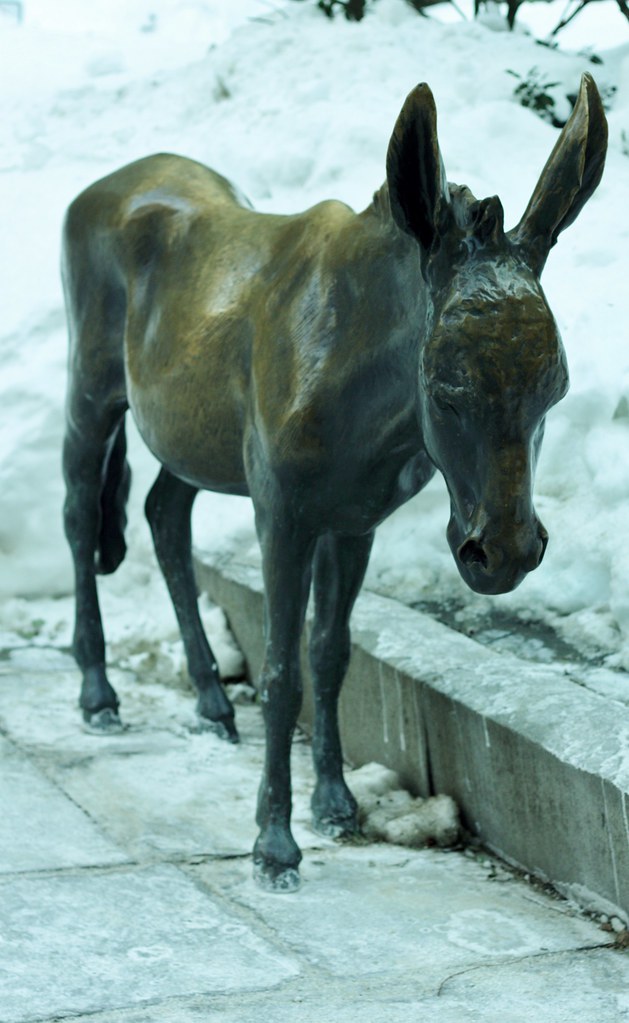
Boston Burro
Donkey Statue in front of the Old City Hall

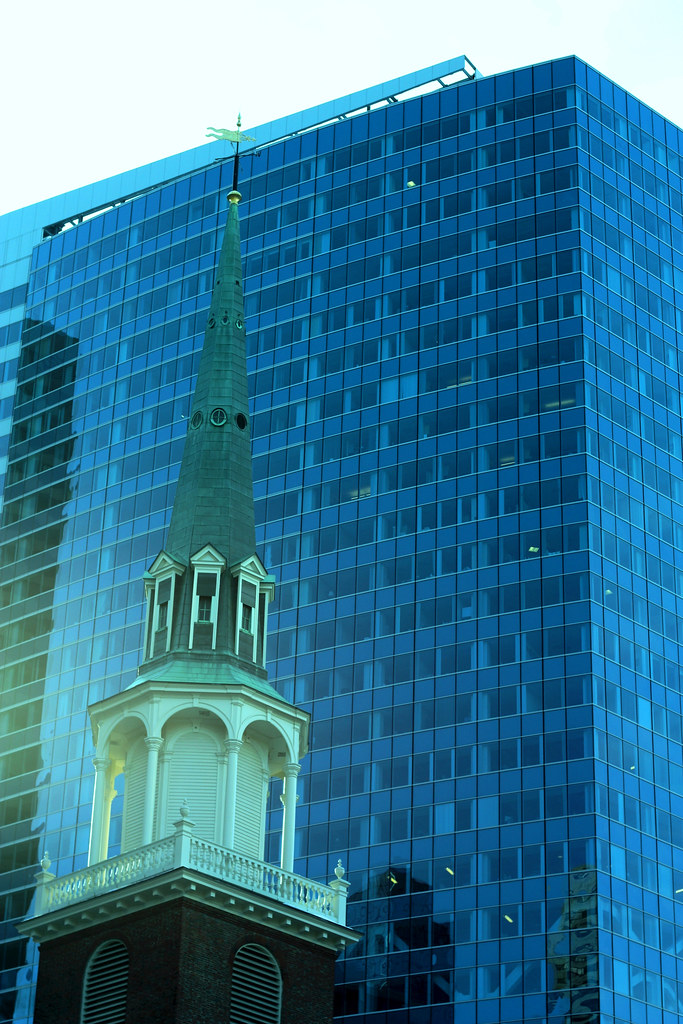
Blog Boston Church and glass building
The Old reflected in the New

Boston Buried snow
Couldn’t resist another snow photo. If I knew a blizzard was coming with an expected 2-3 feet of snow and I parked on the street, I would move my car to a public garage for the duration of the storm and pay the overnight parking fees just so I wouldn’t have a buried car.

Read Full Post »

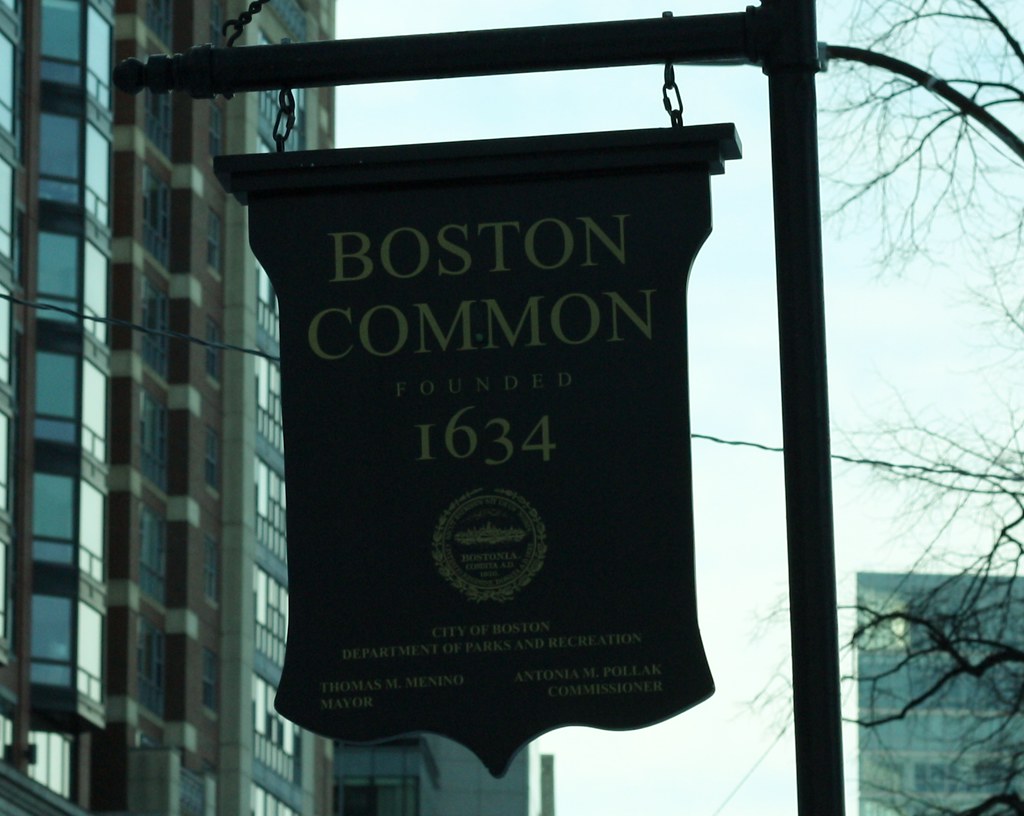
According to the National Weather Service, Boston set a new record this past week for the most snow in a seven-day period: 40.2 inches. The average annual snowfall is 47 inches. We managed to fly in and out between the two blizzards. Despite the snow and cold, we wandered walked briskly around Boston Common which is approximately 50 acres and is the oldest park in the United States.

Boston Common Sign

Boston Common is the starting point of the Freedom Trail (a 2-mile walk with historic markers explaining the history of each stop). Due to the cold, we only managed the sites around the Common. The tour is self guided or arrangements can be made with a tour guide.

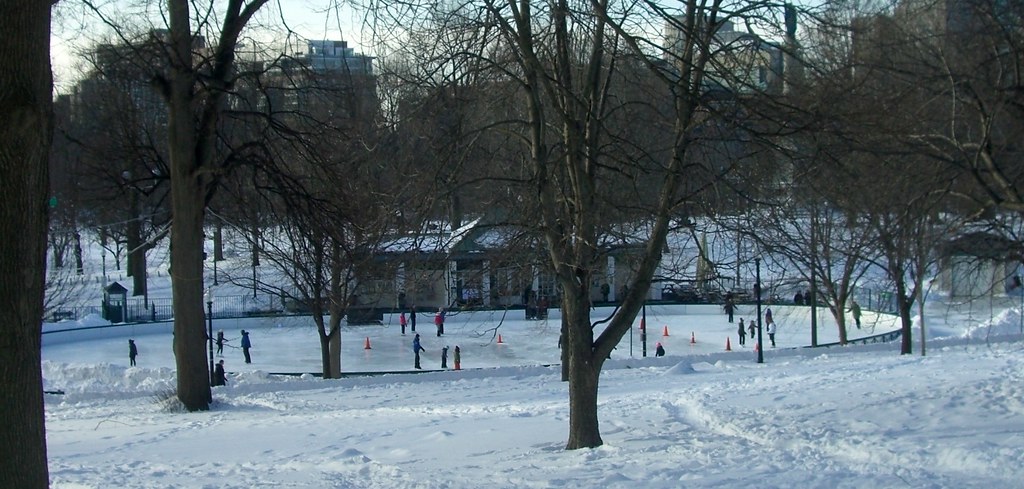
Boston Common Ice Skating
Ice Skating

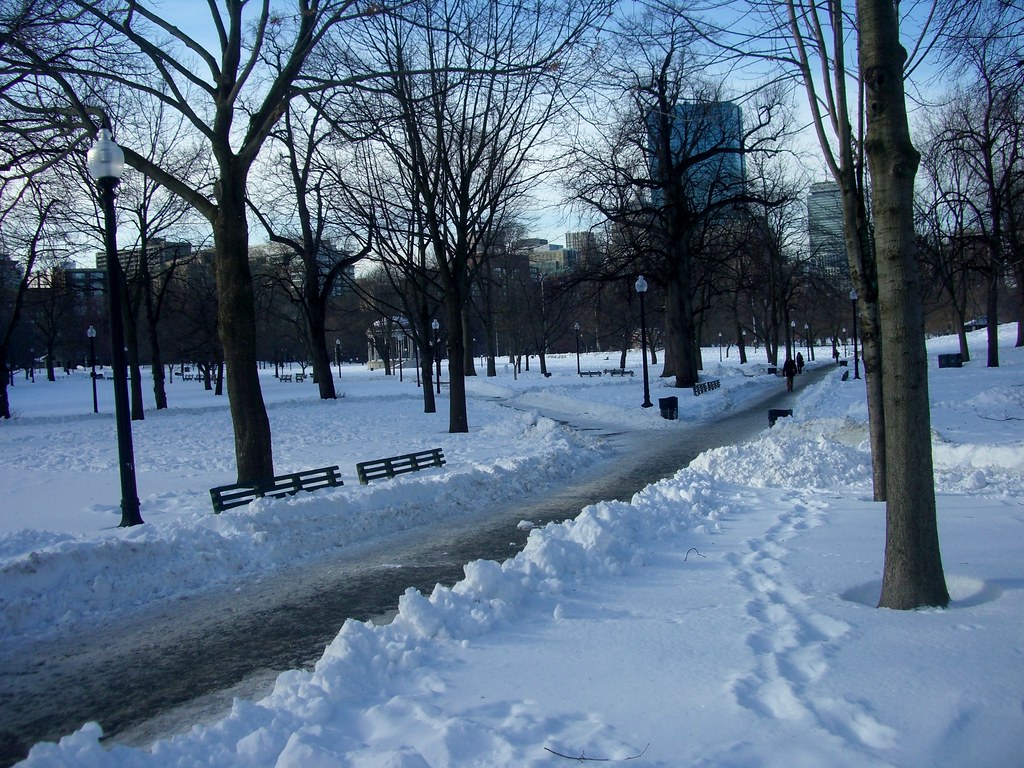
Boston Common snowy pathways
Boston Common Paths

In the winter, Boston Common is used for ice skating and letting your dog romp through the snow. I imagine in the summer it’s a lovely gathering place for lovers of the outdoors.

The Common has a rich history:

  • Until 1817, there were public hangings
  • British troops used the Common as a campsite prior to the Revolution and was the departure point when they left to confront the colonist at Lexington & Concord in April 1775.
  • Many activists have given speeches in the Common including Martin Luther King Jr.
  • Many of our Founding Fathers, Presidents, Vice Presidents and other historic figures have walked through this park. I kept imagining John Adams, Sam Adams, Paul Revere and John Hancock wandering around the area.

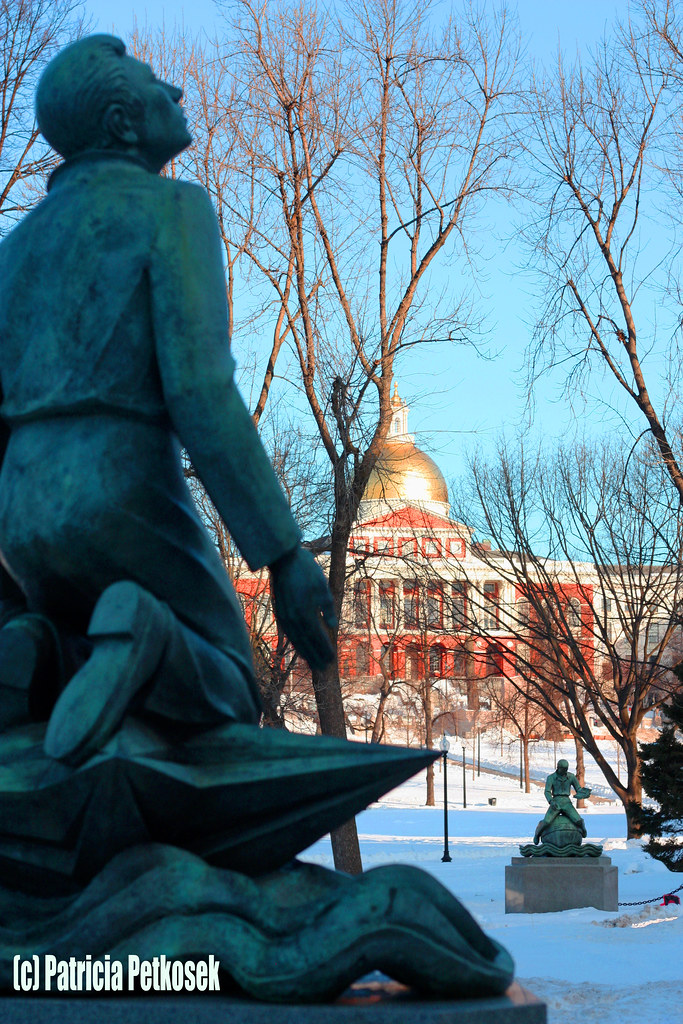
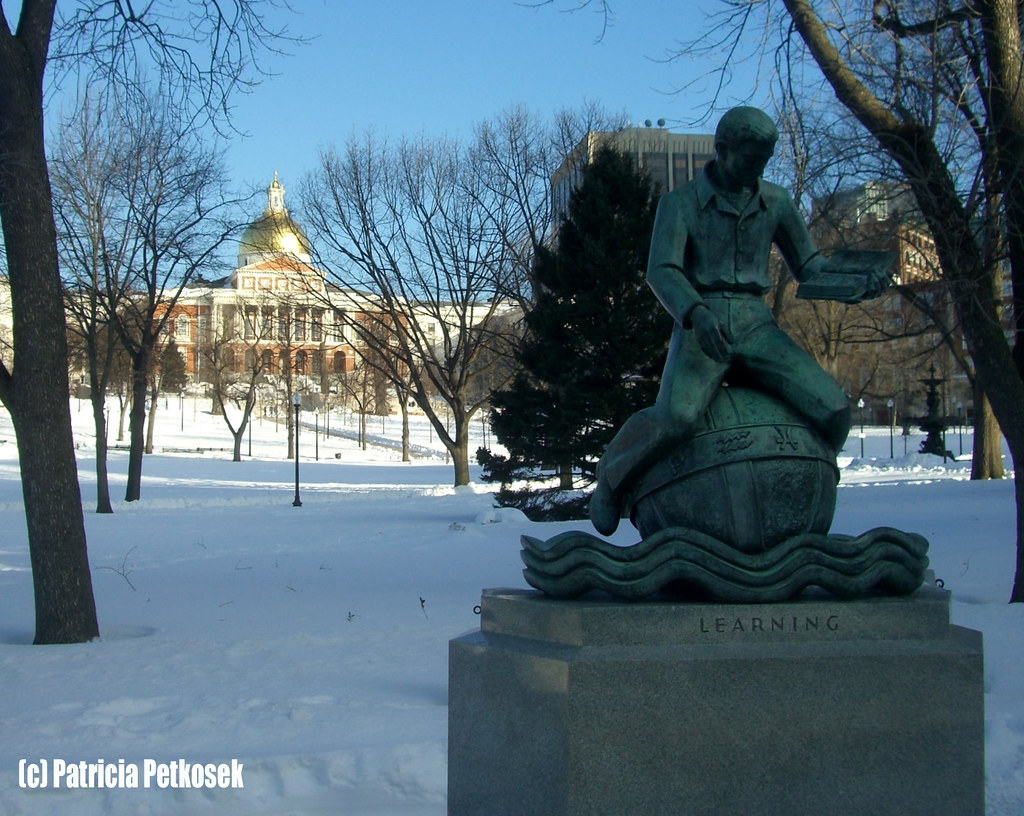
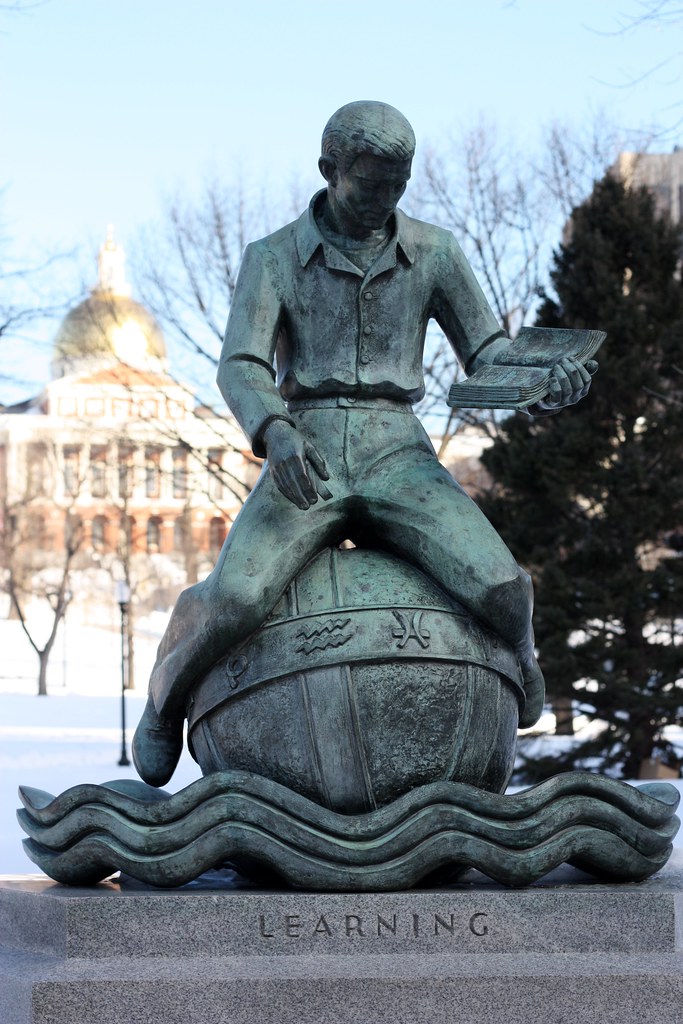
Boston Common Dome and Learning Statue
The Massachusetts State House was built on Beacon Hill which sits across from the park. The land was originally owned by John Hancock (first to sign the Declaration of Independence and the first elected governor of Massachusetts). The beautiful, bright dome is made of copper and 24k gold.

Boston Common
Another view of the State House

Boston Common with Dome and Learning statue
I can’t decide which angle I like best!

Boston Common Learning statue with dome in background
With so many colleges and universities in the Boston area, the Learning statue is very appropriate.

Once we left the park, we stopped along the Freedom Trail…

Read Full Post »

« Newer Posts - Older Posts »