Posts Tagged ‘Photography’

We were back in Glasgow for a night. The last time we visited (April 2013), we also only had one night but we squeezed as much as we could into our limited time. See here.

Glasgow Commonweath Games mural
Commonwealth Games 2014 mural

It was a few days prior to The Commonwealth Games and there was definitely a spark in the air with all the athletes exploring the city.

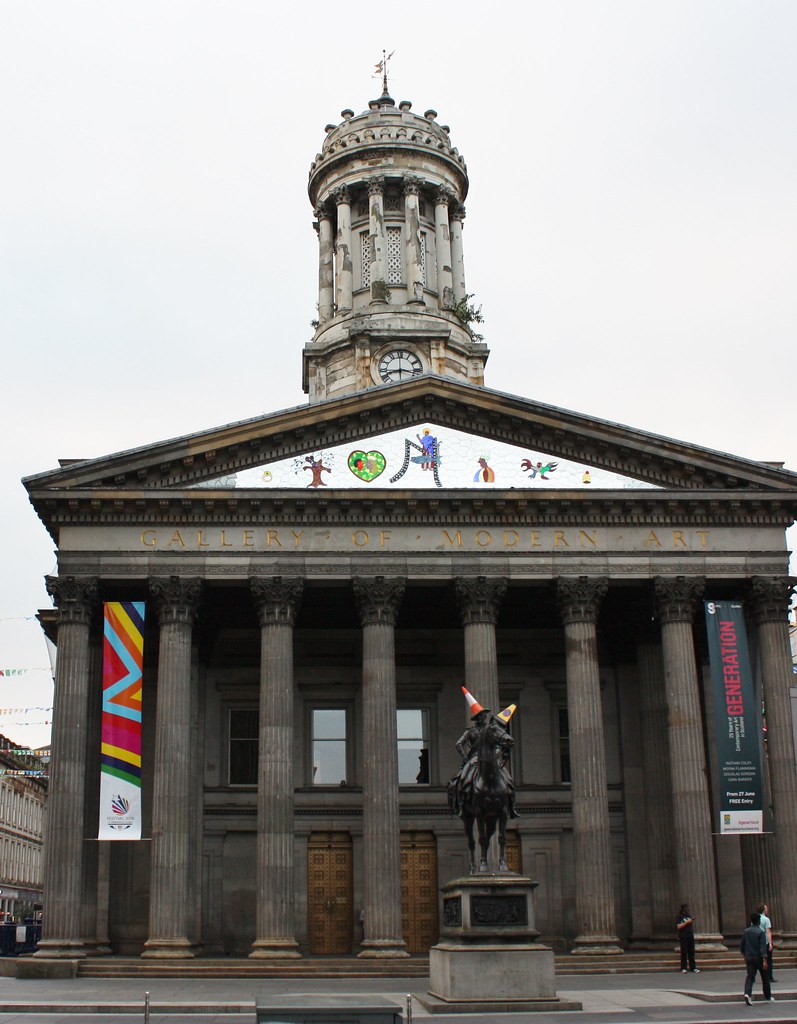
Glasgow Street II

Glasgow II

Glasgow III

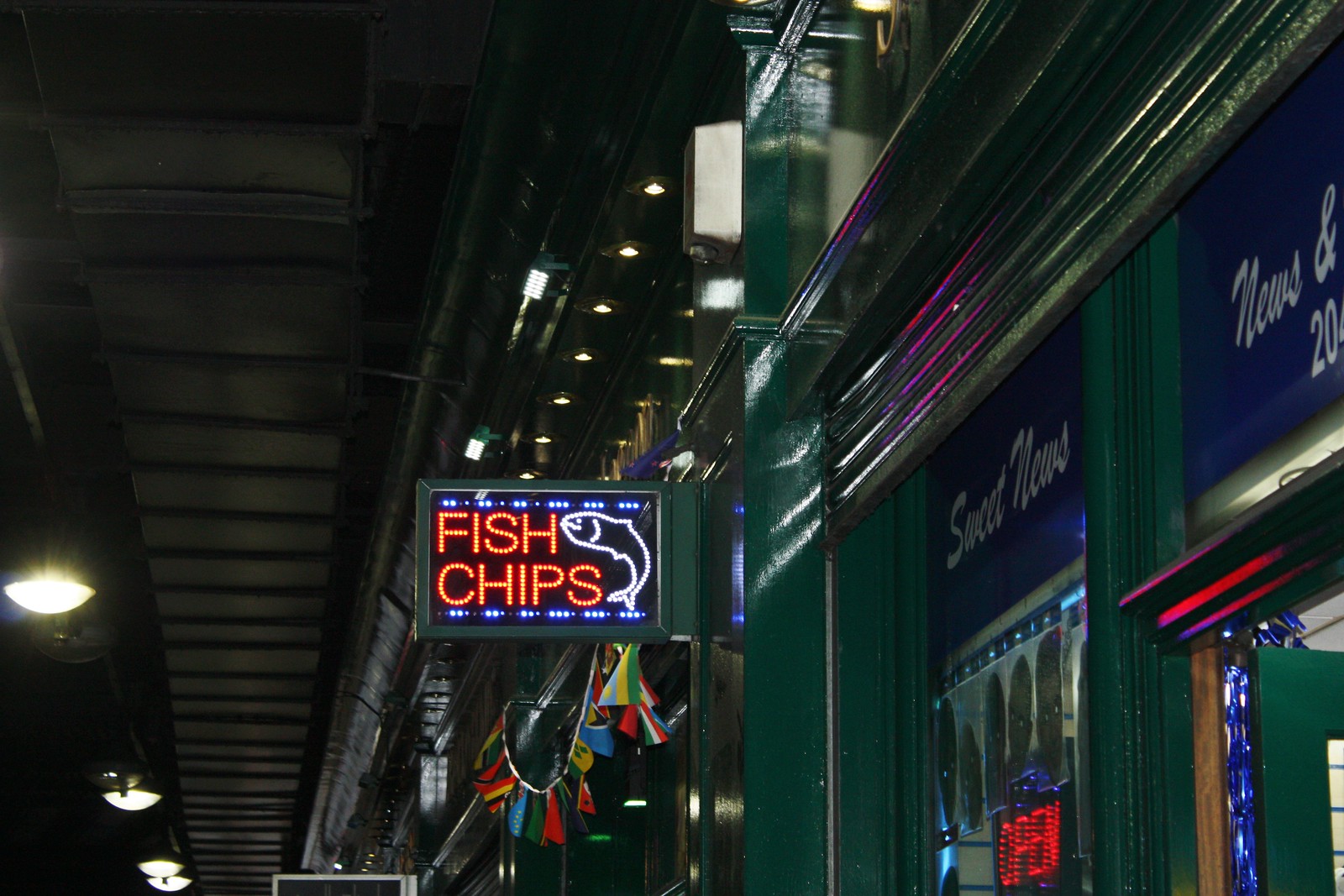
Glasgow Fish and Chips

Glasgow Suits
Glasgow is a sartorial splendor ~ at least where the men are concerned. The women not so much…

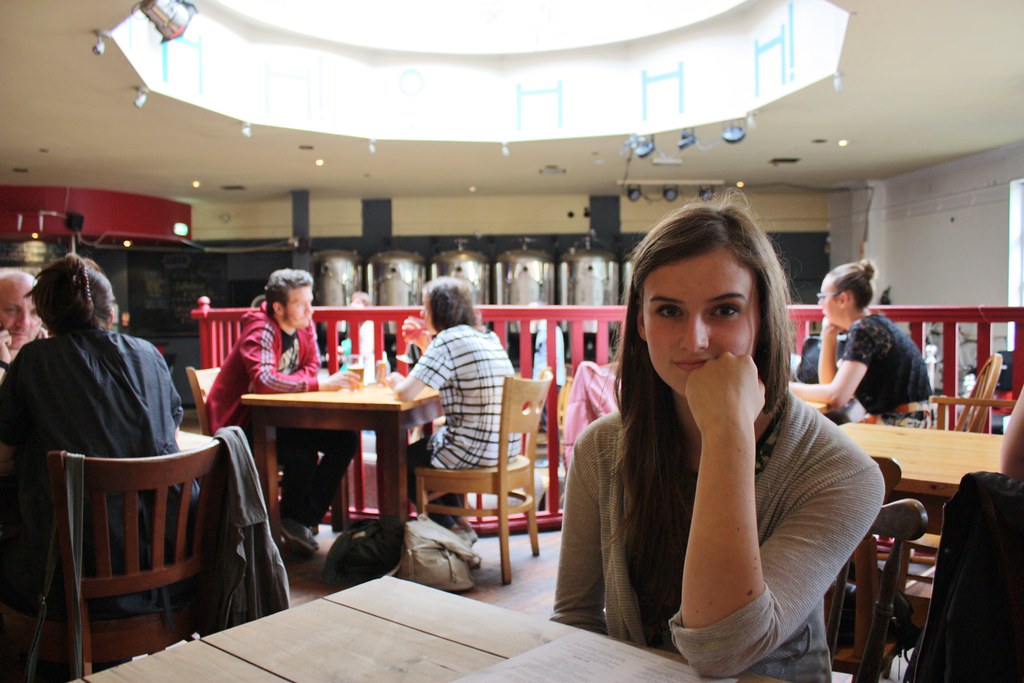
Glasgow Logan at Mono
Since we didn’t have much time (less than 24 hours), we walked around the city and had dinner at our favorite Vegetarian restaurant, Mono.  Food and atmosphere are great, sadly this time the service was lousy. Slow and Unfriendly.

Glasgow Street
Lovely outdoor cafe

Glasgow is such a fun and vibrant city and I left it feeling disappointed we didn’t have more time to explore it. Next time, more time!

Read Full Post »

As the one who organizes our family holidays, I decide where we stay, activities we do and locations we visit. A must on the list was the Culloden Battlefield which is managed by the National Trust for Scotland. The field sits on Drummossie Moor and is an easy 5 mile drive east of Inverness.

My preferred book genre is historic novels ~ both fiction and non-fiction. The Battle of Culloden has appeared as a backdrop in more than a few of books I’ve read recently.  And in the airport before our flight to Edinburgh, we picked up The Economist magazine which featured an article about the upcoming September vote for Scotland’s Independence. It mentions the The Battle of Culloden which had repercussions spanning many generations and is still a timely topic. Having read so much about it, I’m glad I got a chance to personally visit this important historic site.

A little historical background: The Jacobite Rebellion began in 1688 when a son was born to James II and with him the prospect of a Catholic succession. Almost immediately after his birth, a popular movement began to depose James II and let one of his protestant daughters (Mary) succeed to the throne. Within a year, Mary and her husband William III were crowned King and Queen of England, and James II was sent into exile. Scotland as well as Catholic countries including France and Ireland still recognized James II and his descendants as the legitimate heirs to the English throne. Jacobus is Latin for James hence the name for those Loyal to James II were called Jacobites.

William and Mary died without an heir. Due to the Act of Settlement which stated NO CATHOLIC on the English throne ever again, the English crown was passed from the Stuarts to the German Hanoverians specifically George I who was 52nd in line to the throne but, most importantly, the first protestant in the succession line.

His son, George II’s reign was threatened in 1745 when Charles Edward Stuart, grandson of James II and known as the Young Pretender, landed in Scotland. The Jacobites supported “Bonnie Prince Charlie” and had initial success in rebellion clashes BUT then came the devastating defeat at the Battle of Culloden in 16 April 1746. It ended the Jacobite threat and so much more. It was also the last full-scale battle fought in Britain. The Commanding Officer of the Royalists earned the nickname “The Butcher” because of his ruthlessness not only at but especially after the battle. By all accounts, it was brutal and savage.

At the battle, two-thirds of the Jacobites were made up of Highland Gaels and the rest were from the Scottish lowlands, France, Ireland and even England. Also, many of the clans in the Highlands supported the British Government. Sadly, it pitted not only clan against clan but also family member against family member. The battle took approximately one hour, but the results were felt for many generations. Public executions for those supporting the Jacobites. Also, an attempt was made to wipe out the Scottish social structure by dismantling the Highland clans and crushing the Gaelic culture to include prohibiting wearing the kilt, playing the pipes and speaking Gaelic. The punishment for doing these would be death.

We were there on a dry and warm day but I could easily imagine what it must have been like on the cold, rainy day of the battle. There is an informative information center, museum and cafe on the grounds but my favorite part was walking through the actual field and reading the markers as well as listening to the audio guide. I learned a lot more about the battle and more importantly about the brutal aftermath which shaped Scotland all these many years.
Culloden fields
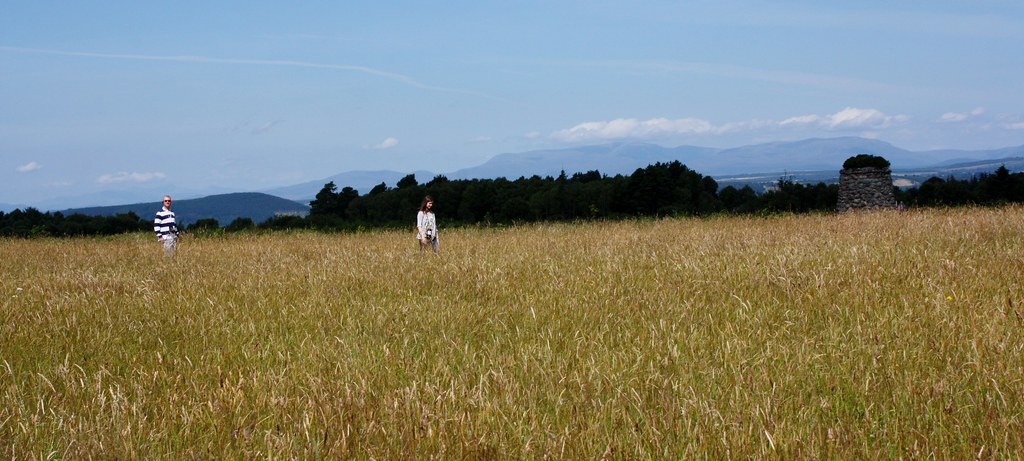
Walking through the Battlefield

Culloden Battle Monument
Battle of Culloden Monument

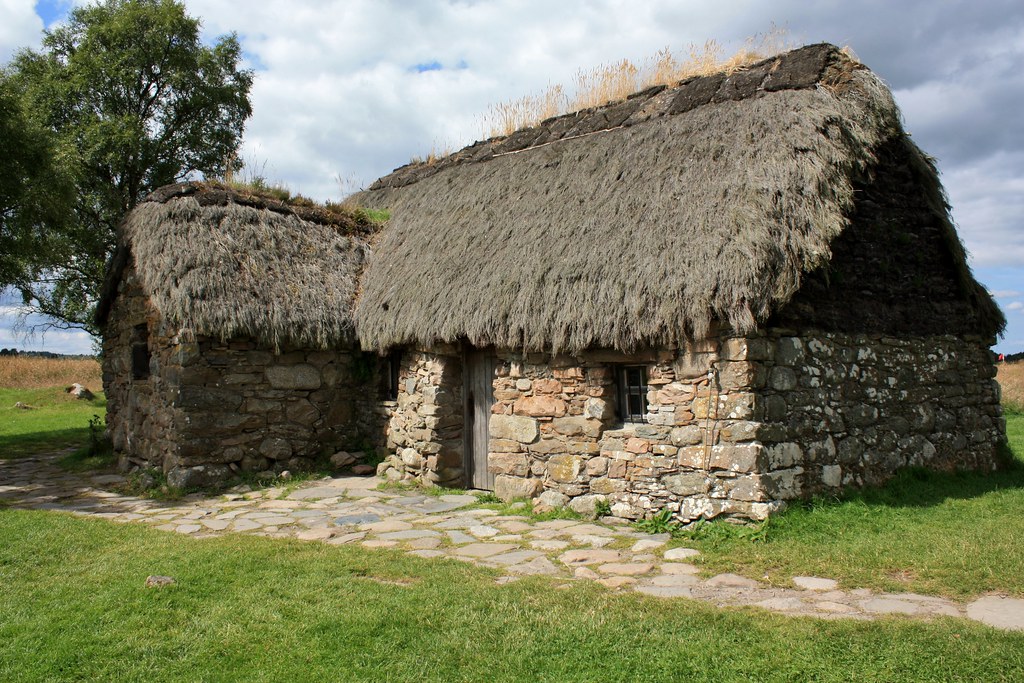
Culloden Cottage
Leanach Farmhouse

Culloden Stone Wall
Jacobite position ~ stonewall

Culloden Visitor and information center
Visitor Center has a impressive 360 reenactment film, museum, interpreters, and a nice cafe (with vegetarian options)

Culloden Veggie Haggis
At the cafe, you can get Vegetarian Haggis. I was tempted to buy some to bring home but since Haggis is on the list of banned items to bring to the US, I didn’t want the hassle of homeland security.

Culloden Stone wall and battlefield
Looking out from the Jacobite position. The red flags are where the British were.

Culloden spiked shield
Highland Targe (Shield) with spike. Used by the Jacobites in the Battle of Culloden
Culloden Period Dressed lecturer
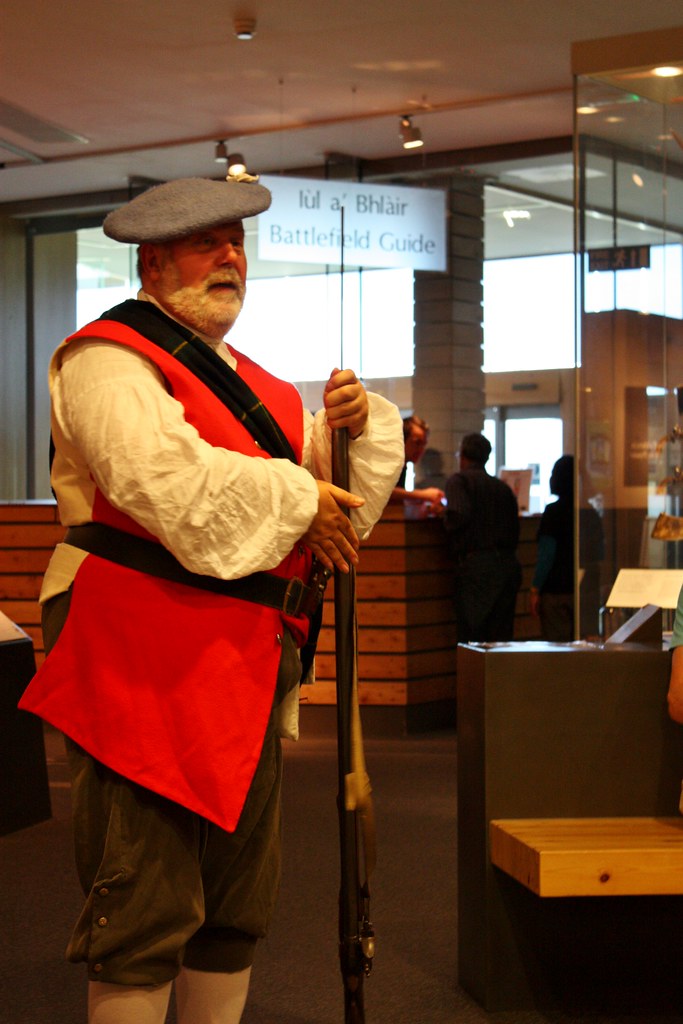
Period dressed Interpreter at the Culloden Visitors Center
Culloden Beautiful Skies with puffy clouds
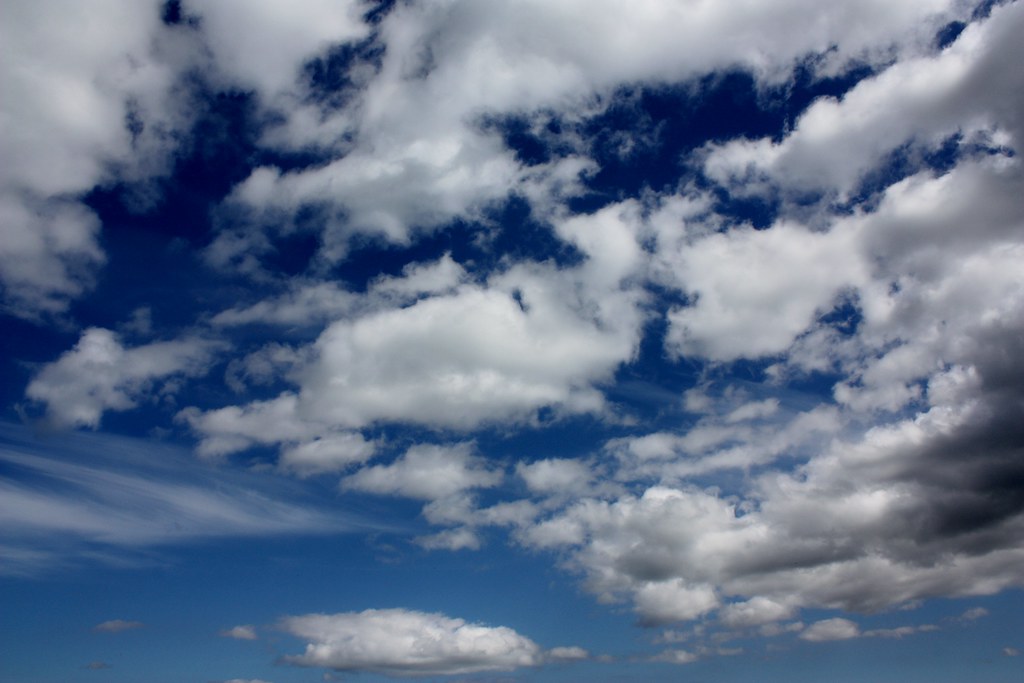
I couldn’t get over just how BLUE the sky was on the day we visited Culloden Battlefield. I love the cotton ball clouds, too!

Culloden English Stone
Memorial Stone in honor of the English who died at the Battlefield

Culloden Stone Markers for Macgillivrays
Stone Marker where  Alexander MacGillivray was killed
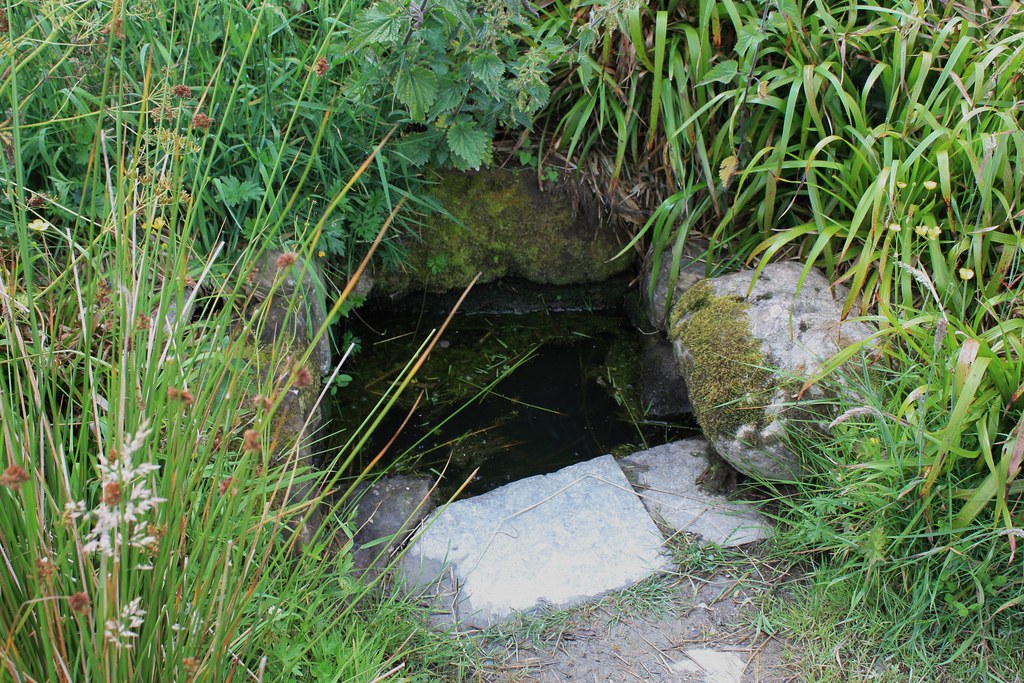
Culloden Well of the Dead
Well of the Dead ~ I read this is where the wounded crawled to get water. Many of them perished near here.

It was a somber place to visit but also fascinating. I highly recommend it if you’re in the Highlands.

Read Full Post »

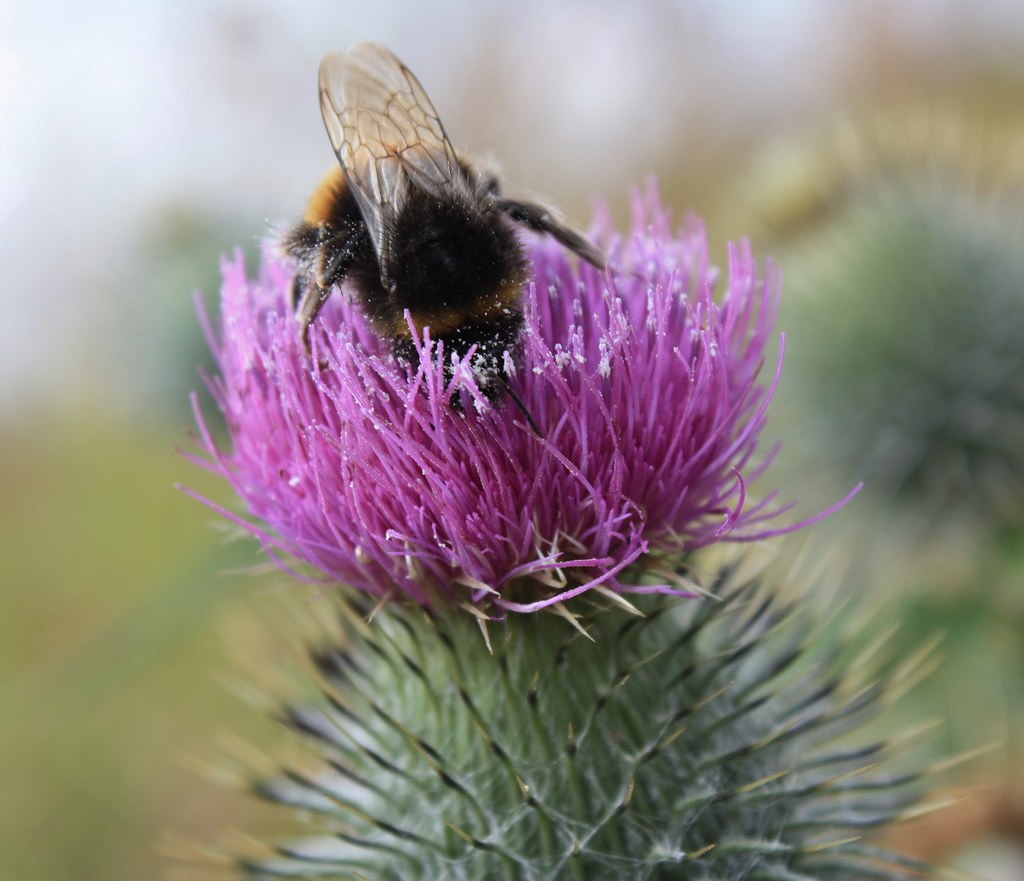
Culloden Bee in action

The Thistle is the National Flower of Scotland.The bee was working hard on pollinating! 

Read Full Post »

At the end of the beautiful drive from Ullapool to Durness is the GORGEOUS white sandy Durness Beach! Well worth the approximately 70 mile drive. We ate lunch at the Oasis Restaurant which was more than disappointing. The location is great, the service fine but terrible food. Enough about that, we ate as fast as we could and headed straight for the beach.

No doubt the visit to Durness Beach was a highlight of our trip. After all, we are “Displaced Beachbums” always on the lookout for a sandy beach where we can dip our toes in. And despite the cold, we dipped away!

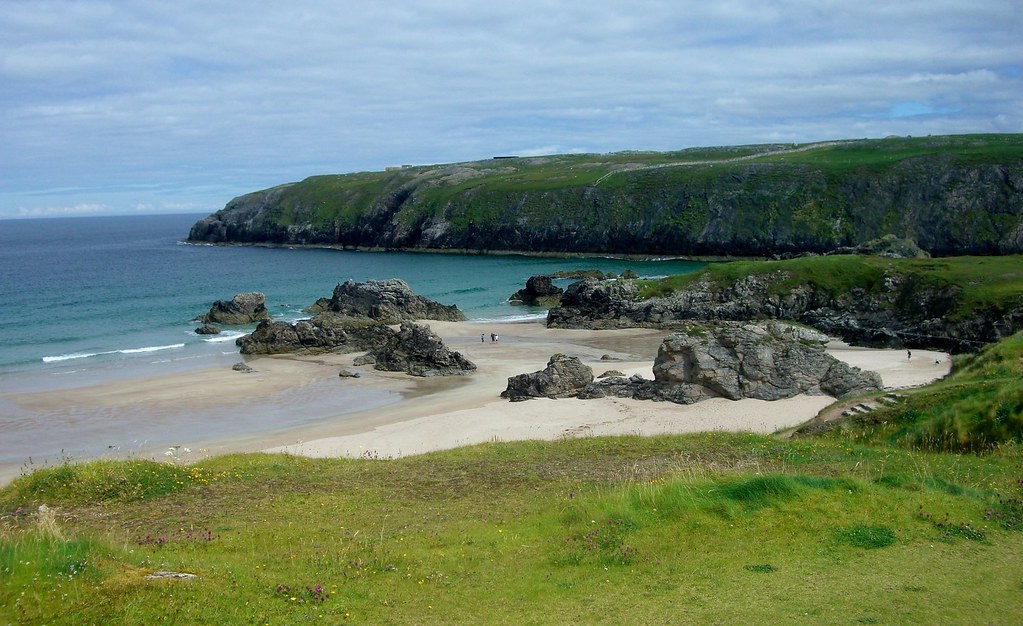
Durness Beach
Durness Beach

Durness Beach II

Durness Beach sitting on the arch next to waterfall
Lovely Waterfall at Durness Beach

At Durness beach
Logan couldn’t wait to get in the water (at least her feet) but she was shocked at just how cold the water was. She sarcastically asked “how is it not frozen over?”

Durness beach swimmers kids dogs
Not only was Durness Beach beautiful but uncrowded. Save a few brave swimmers, dogs and families

Durness Beach smaller cove
Smaller cove at Durness Beach

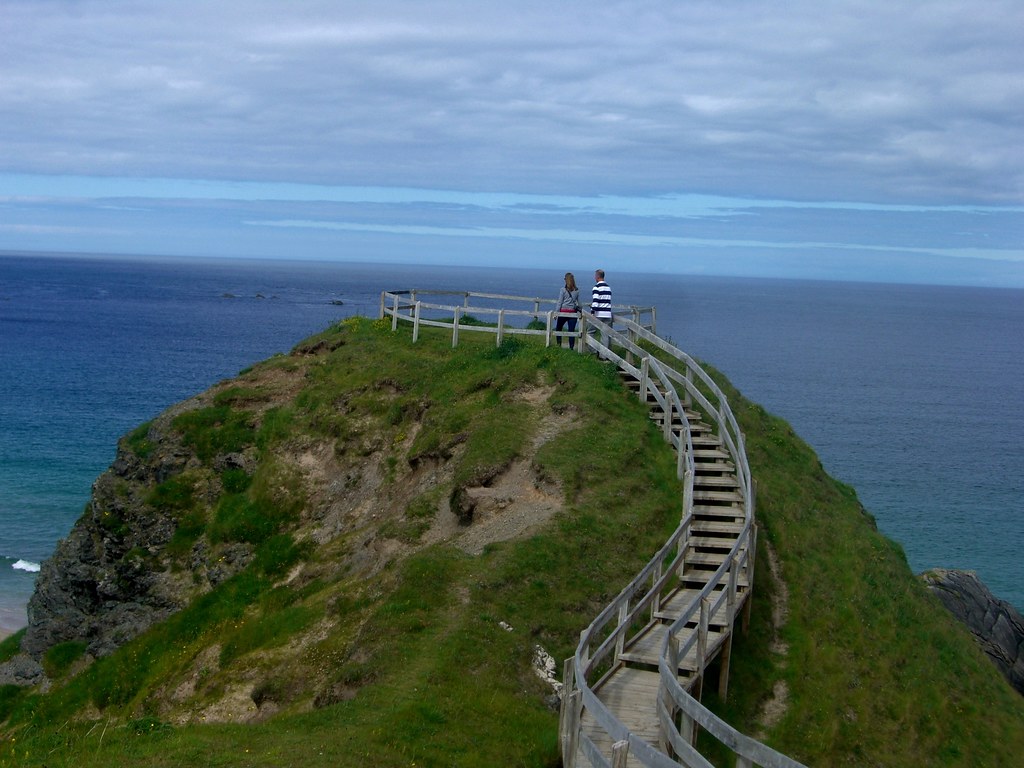
Durness Beach Lookout II
Lookout point

This was our route:

Read Full Post »

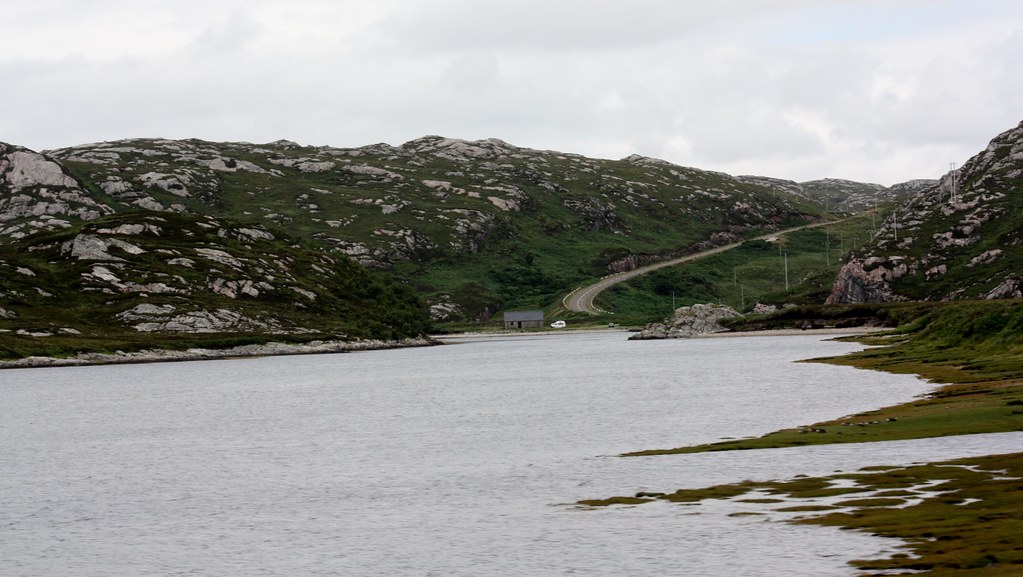
Inverness was our base for a couple of days while we explored the Highlands and more specifically, the Western Ross area of Scotland. We drove about an hour to the beautiful port town of Ullapool, stopped for tea and scones then continued the long and windy (single lane) road to the North Coast town of Durness.

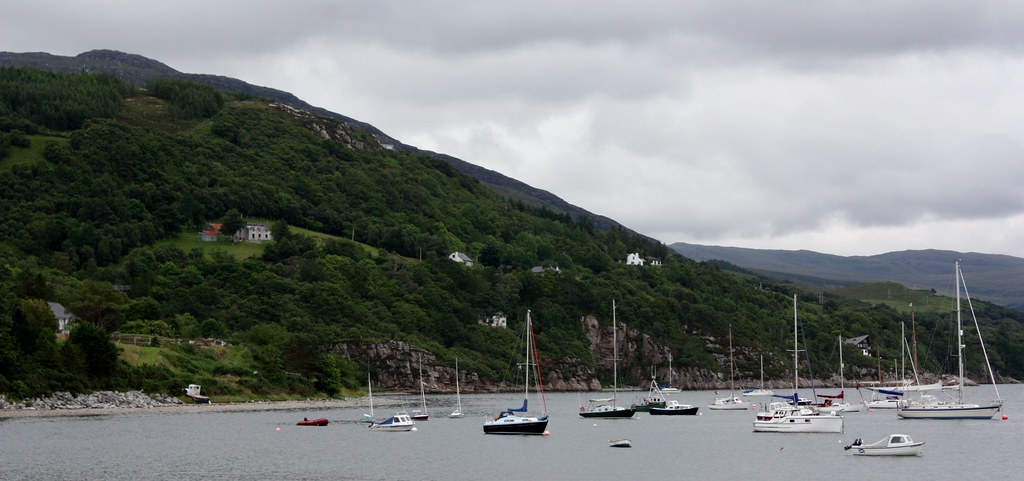
Ullapool Loch Broom II
Loch Broom in Ullapool

Ullapool
Ullapool Scotland

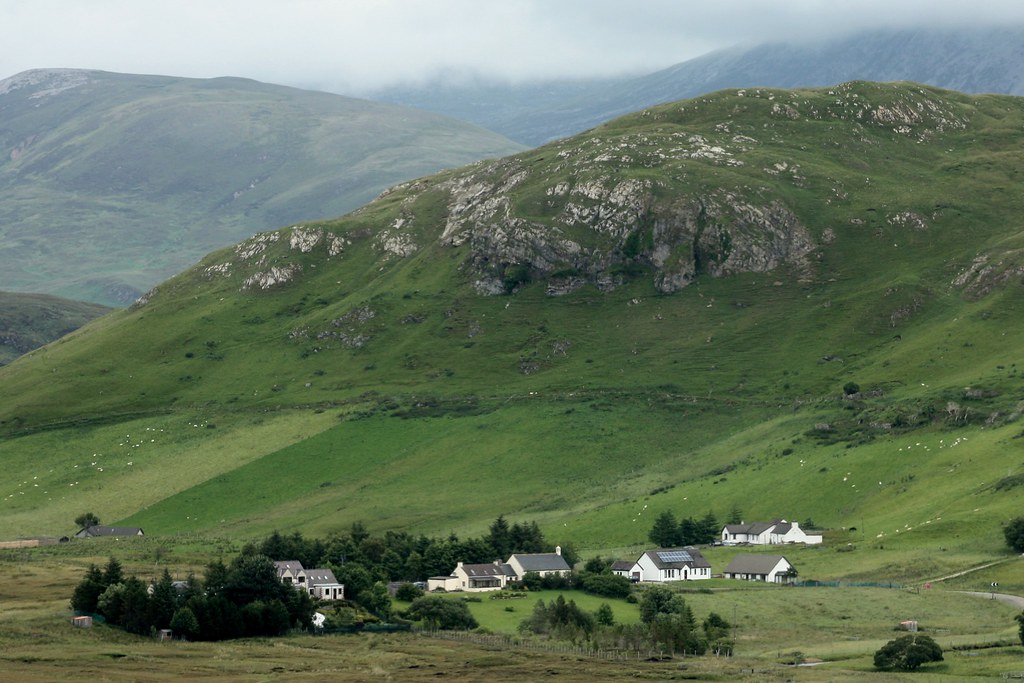
The Highlands are beautiful, clean, wide-open and for a few moments I felt like I could have been in the Rockies driving through Colorado or Wyoming. The streams and lakes are so clear and unpolluted. The air so clean!

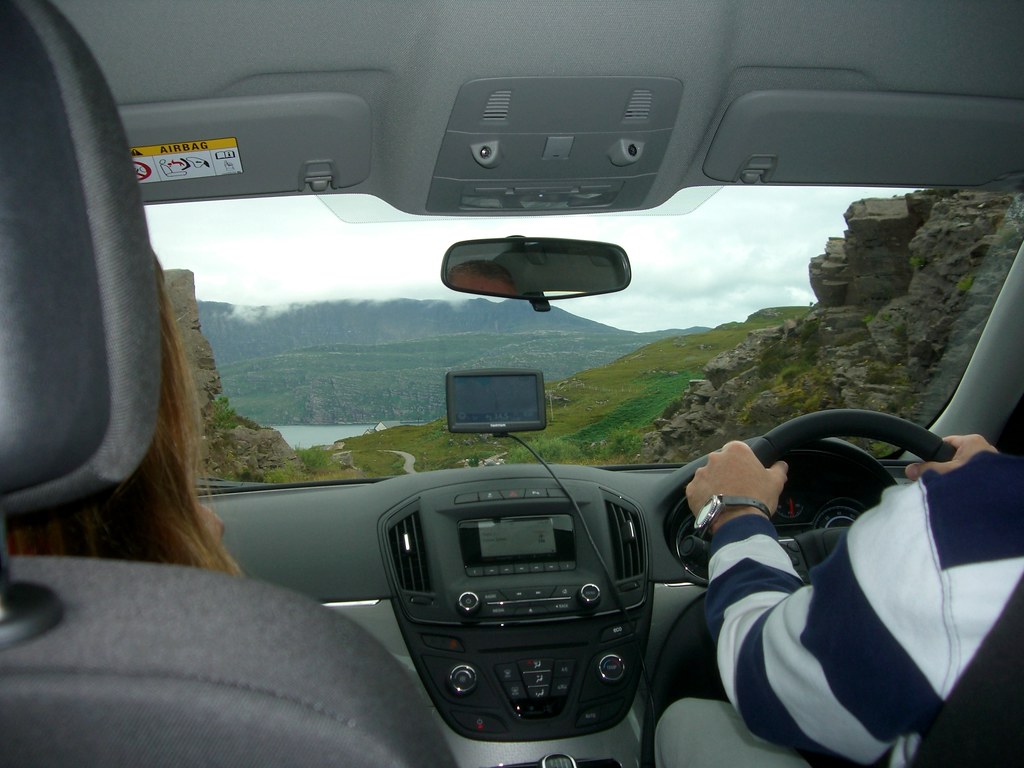
Highlands view from the backseat
Not a bad view, even from the backseat

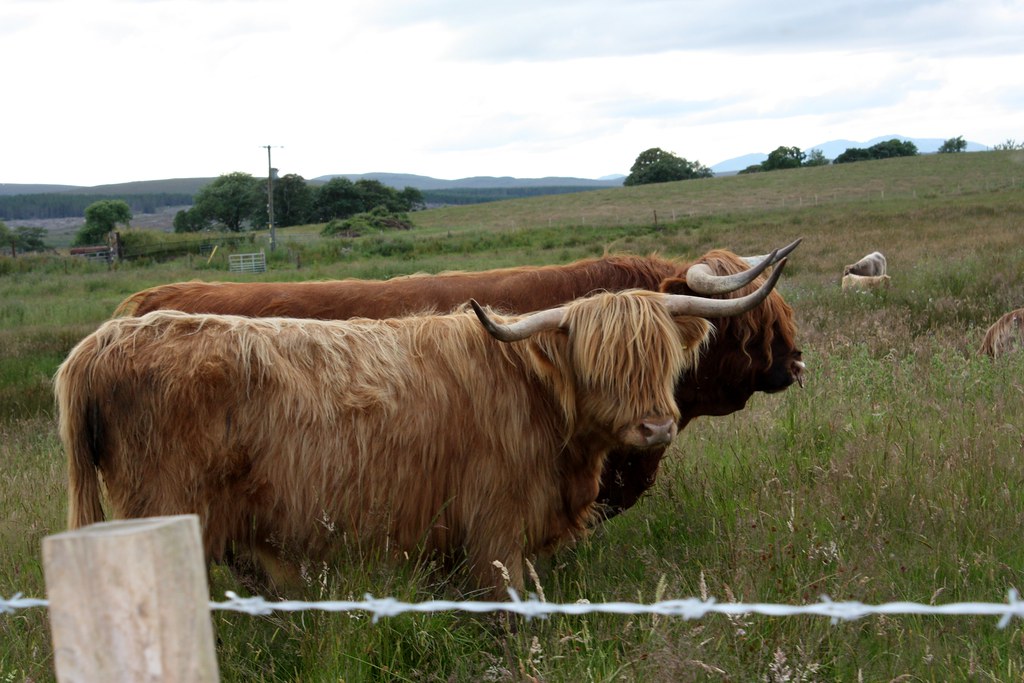
HIghland Cattle
The cattle were a nice change from all the sheep ~ not that I’m tired of the sheep!

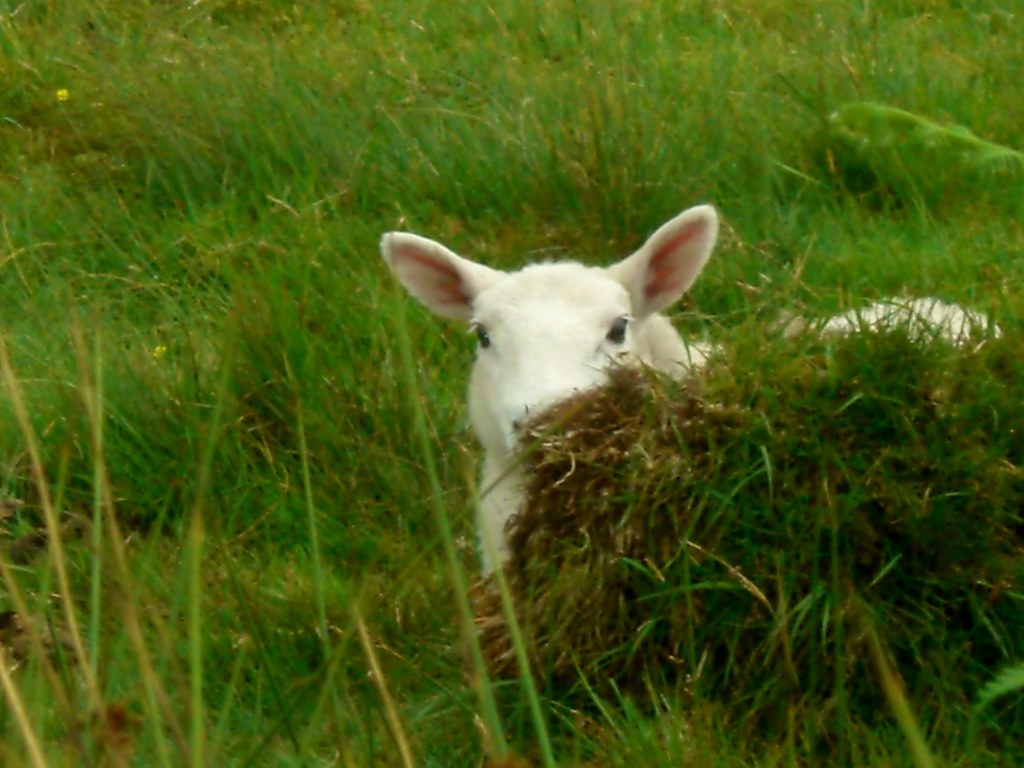
HIghlands lamb peeking around the corner
One of my favorite sheep photos ~ worth a repeat

Highlands Road
Lovely roads and still two lanes

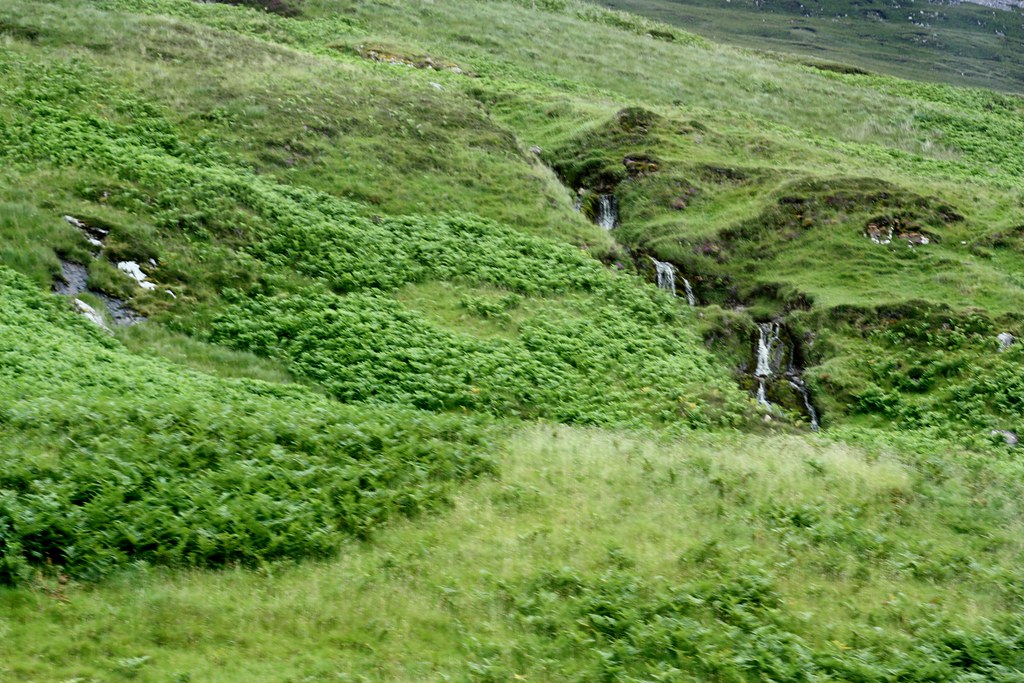
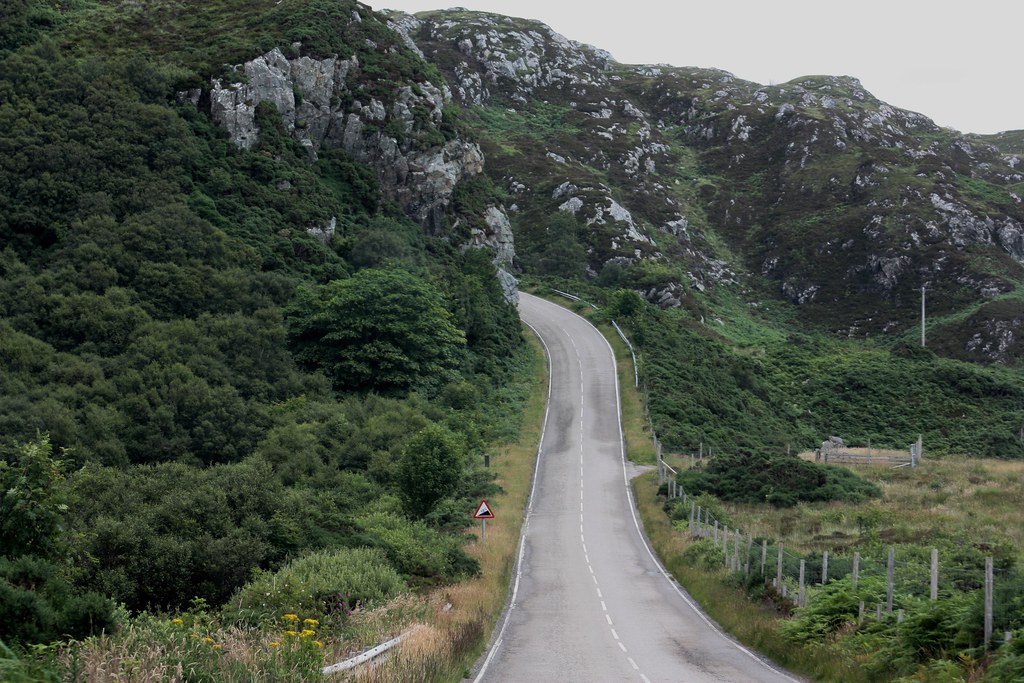
Highlands road waterfall
Along the road to Durness

Highlands Road II

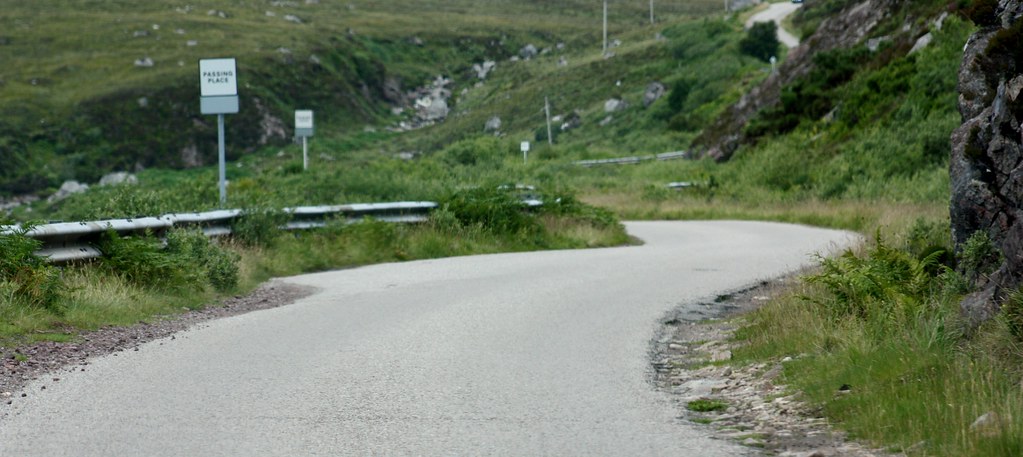
Highlands Passing Place on road
The one lane begins ~ not as scary as it looks

Highland Countryside

Highlands Motorcylist II

Highland Motorcylist
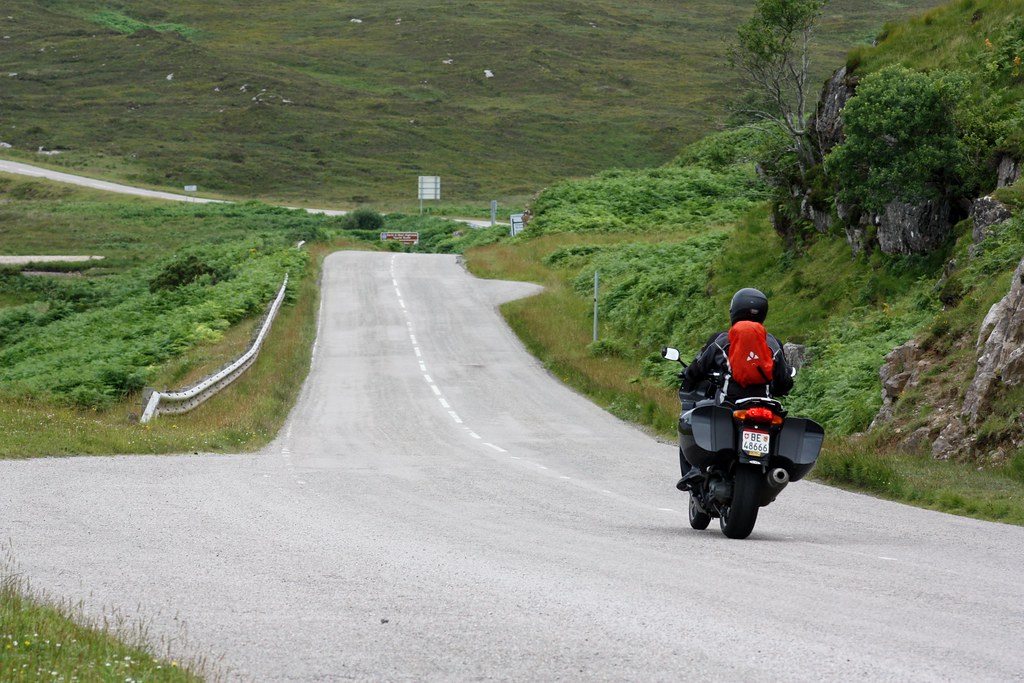
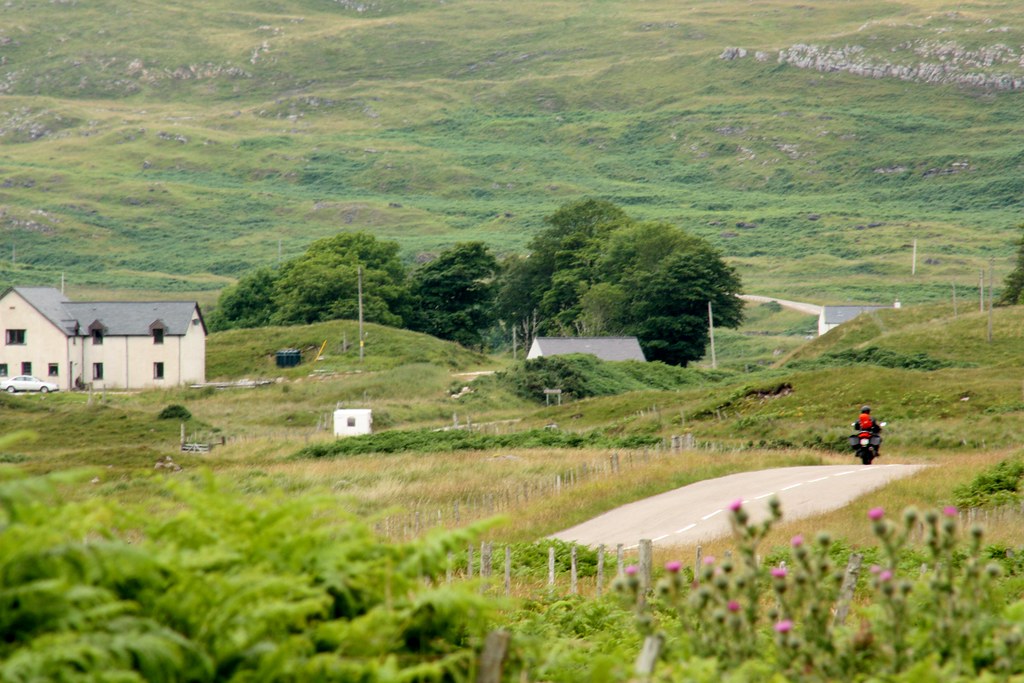
We saw more than a couple motorcylists on our drive ~ must be thrilling to ride these roads on a bike

Higlands Whitewashed houses

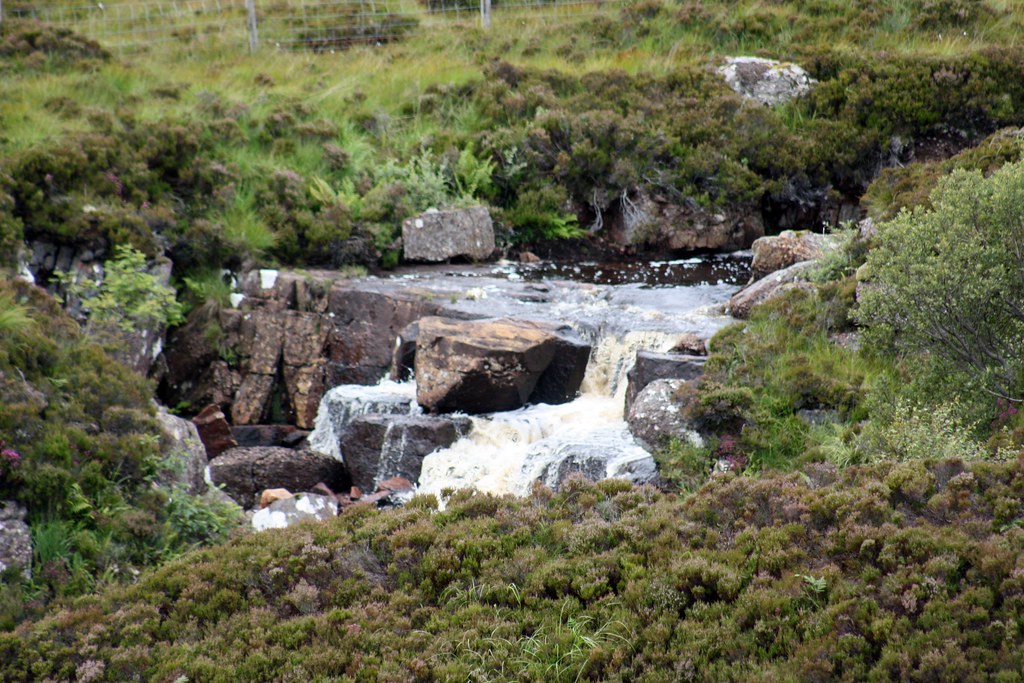
Higlands waterfalls

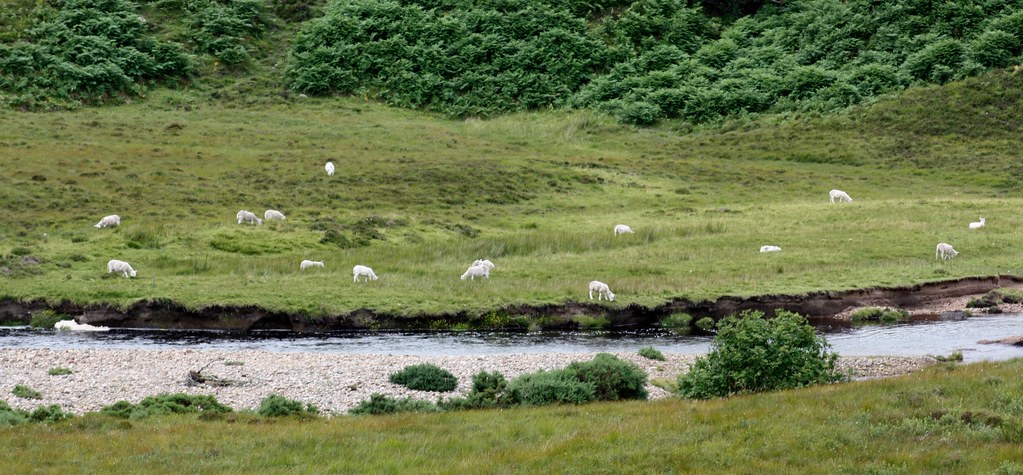
Highland Free Range Sheep
Free Range Sheep

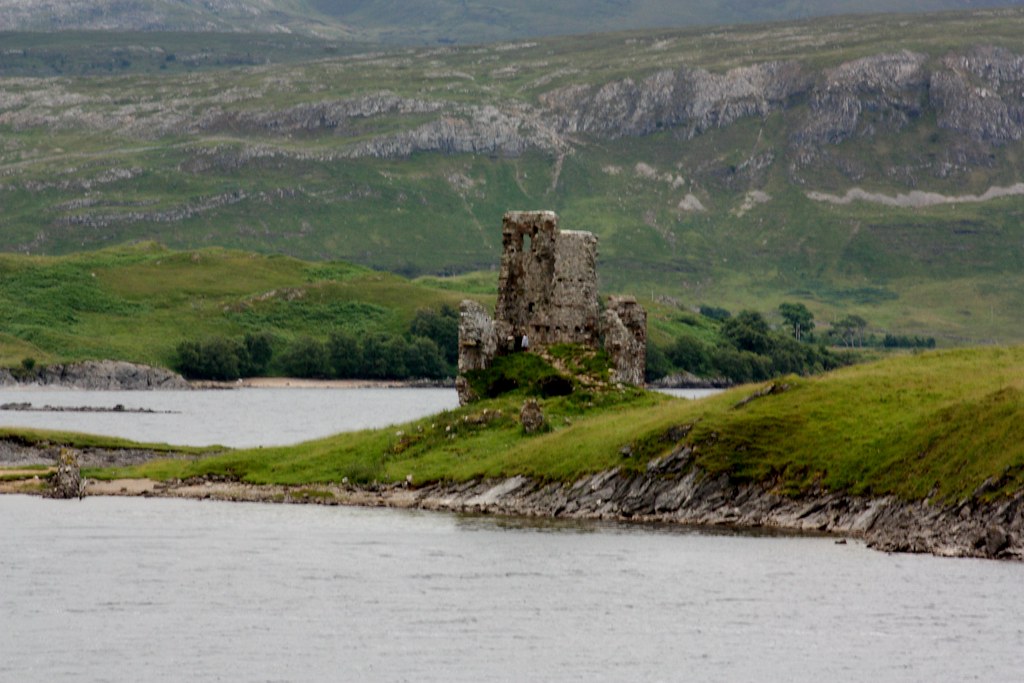
Highlands Abandoned castle

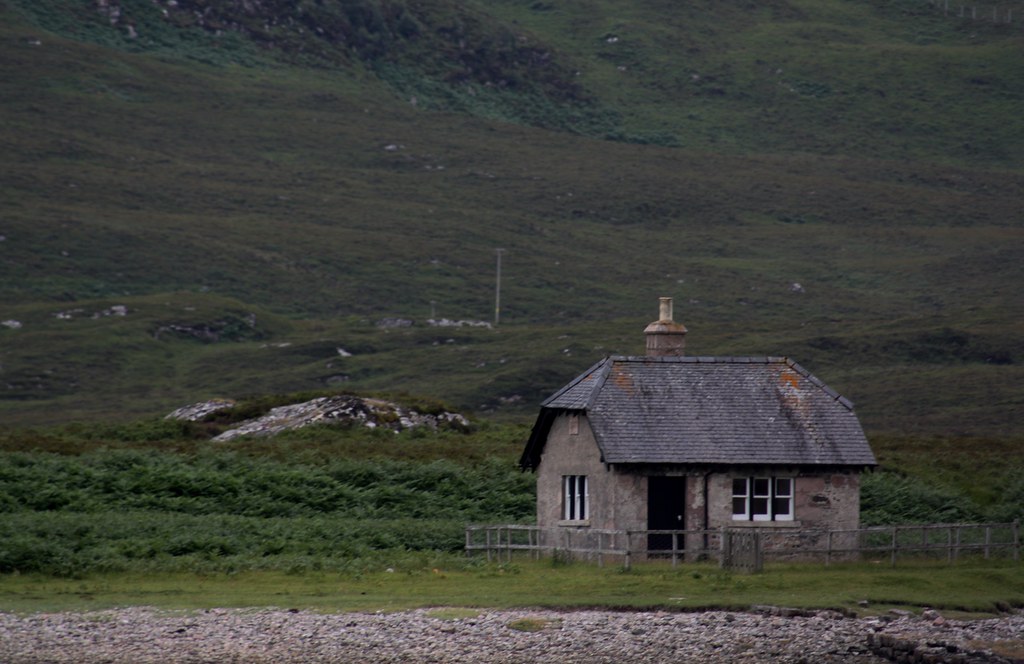
Highlands House

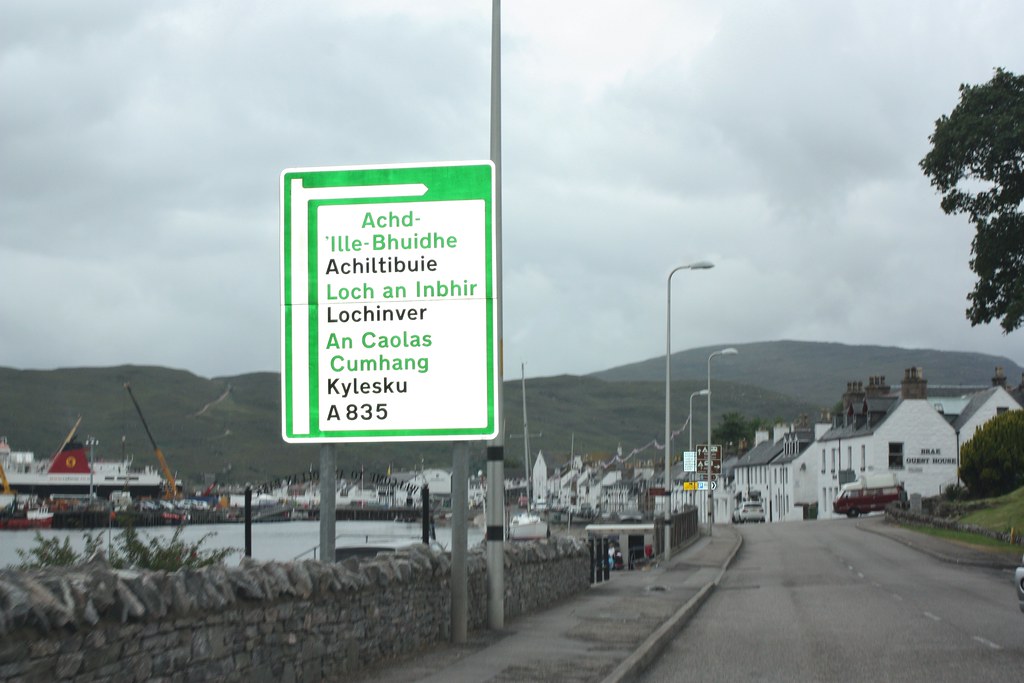
Highland road sign for Durness
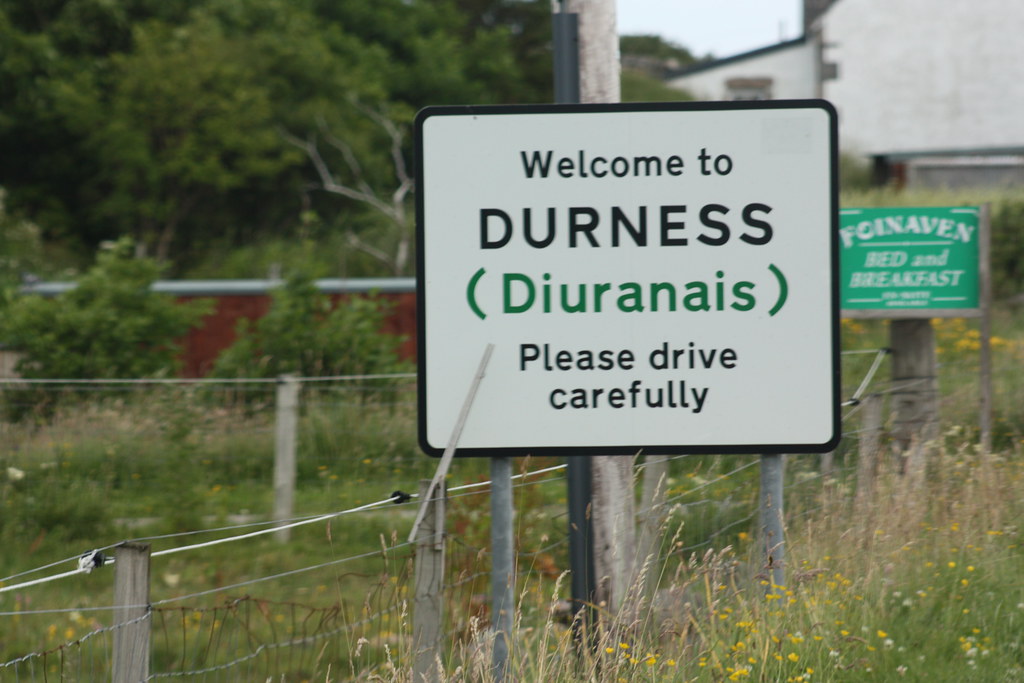
Durness Welcome sign

It was a fantastic drive through the Western Ross to Durness ~ we stopped often to enjoy the sights but it would have been nice to have more time to hike the backcountry. I’m going to have to add Western Ross to the “must visit again” list. A list which seems to be growing exponentially. Sure wish travelling were a paying job for me 😉

Read Full Post »

We spent two nights in Inverness but didn’t spend a lot of time in the city itself. Rather we used it as a base for our drive to the northernmost part of Mainland Scotland and to visit the Culloden Battlefield. We visited Inverness last year and chose to go back to a few of the places we enjoyed such as walking along the River Ness and going to a local park with a “zip line.”

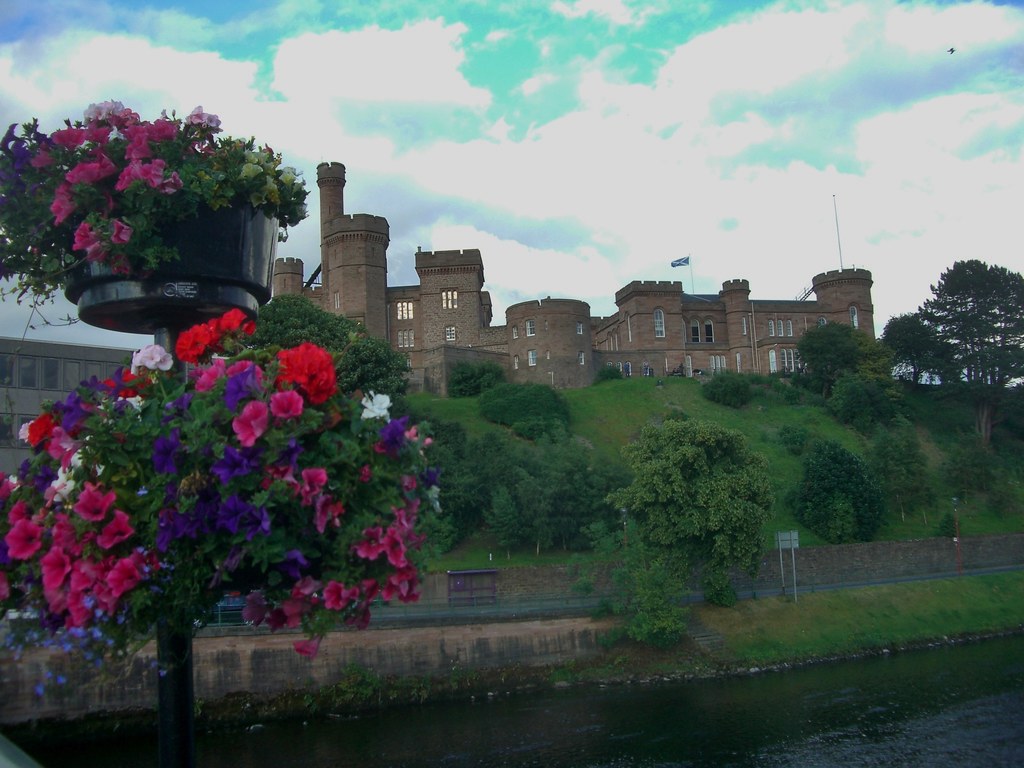
Inverness Castle flowers
Inverness Castle

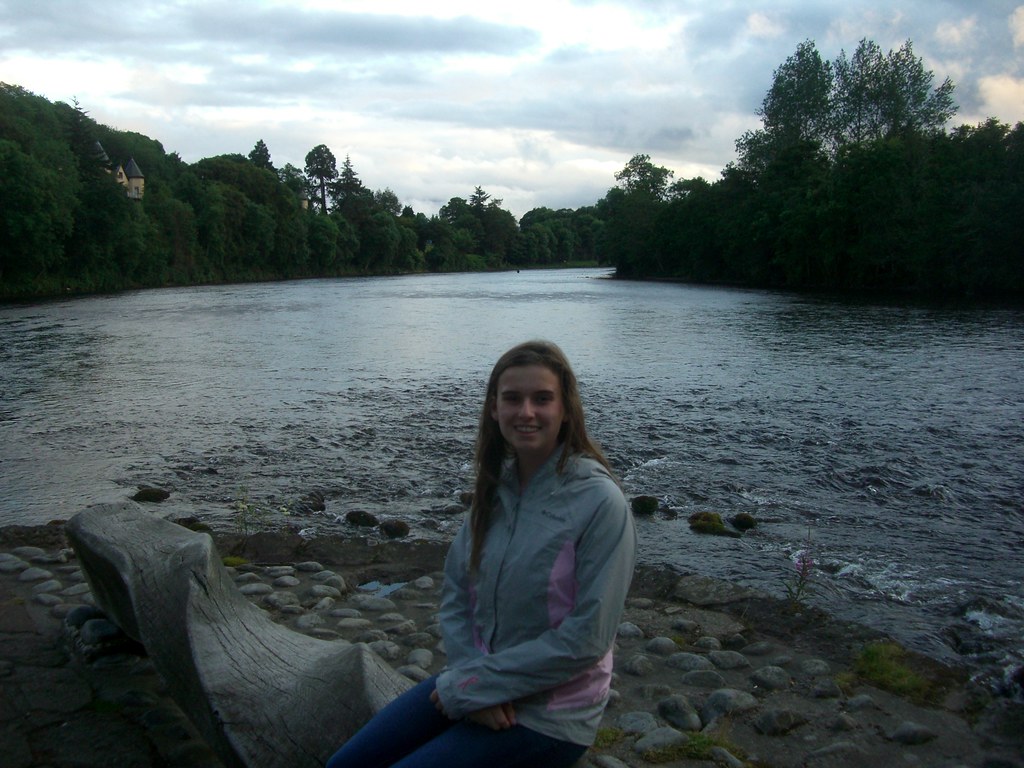
Inverness along the River Ness
Along the River Ness

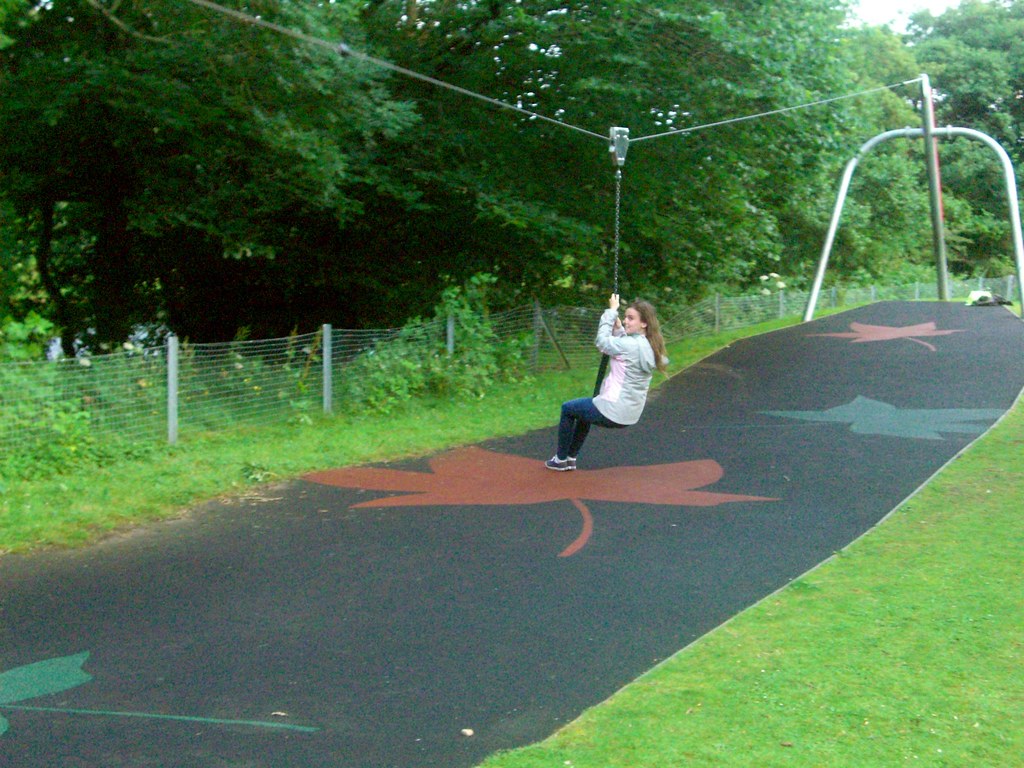
Inverness Zip line at the local park
Zip Line Fun

Read Full Post »

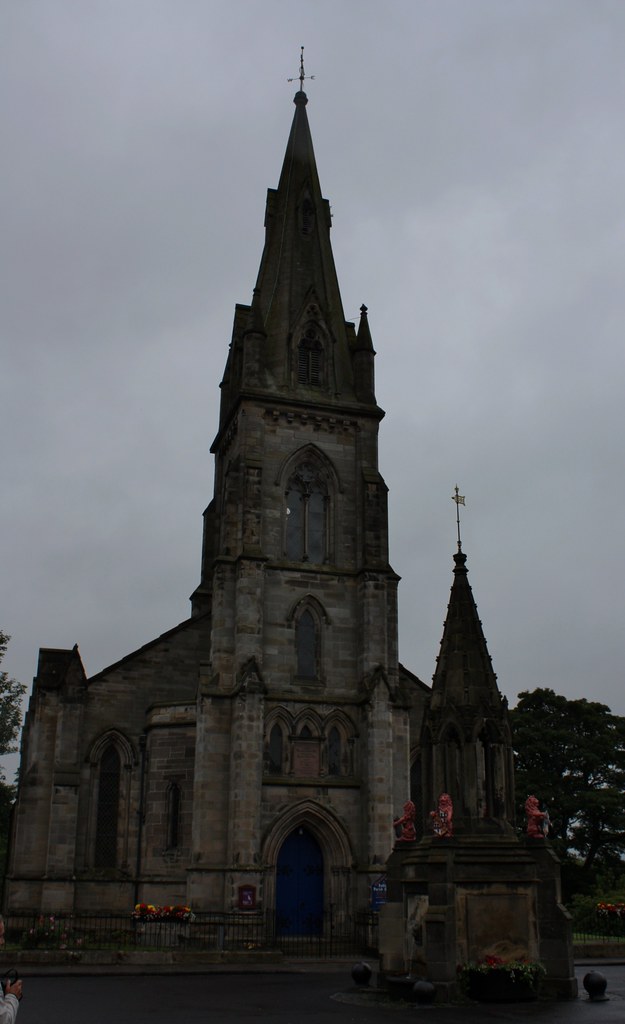
Why visit Falkland? I’m a fan of the “Outlander” book series by Diana Gabaldon and heard the soon-to-be-released Starz series based on the books has scenes filmed in Falkland.

Falkland Scotland Church

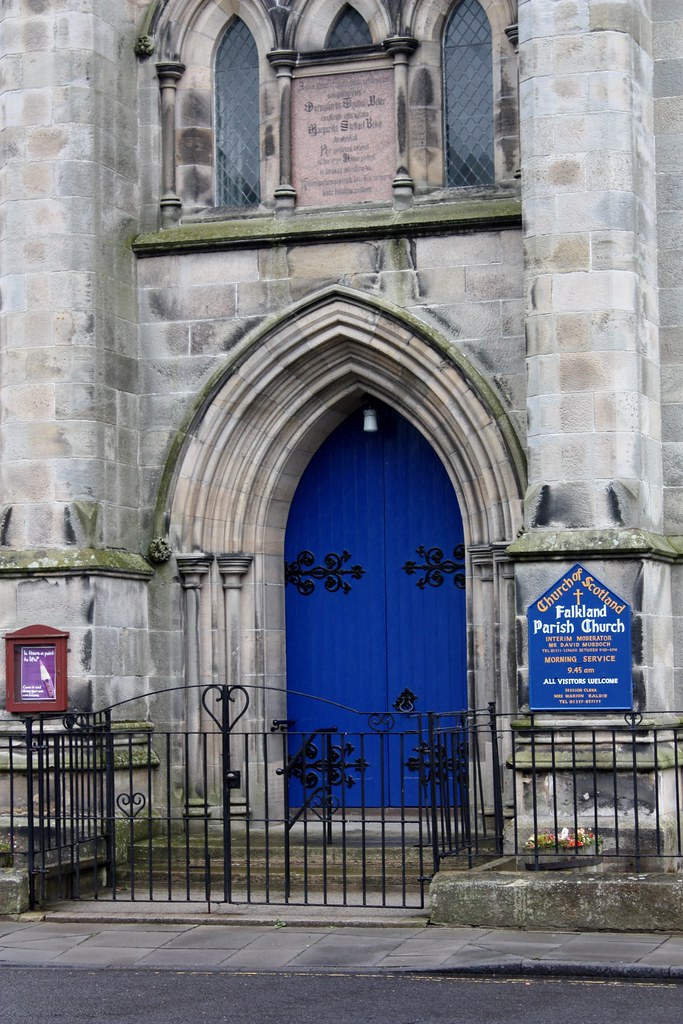
In 1970, Falkland was designated as the very first conservation area in Scotland. As we drove into the town, it was easy to imagine what it must have been like centuries ago. Most of the buildings are stone and impressive on their own but the Palace and my favorite, the Parish church dominate the city.

Falkland Scotland Blue Door
Falkland Parish

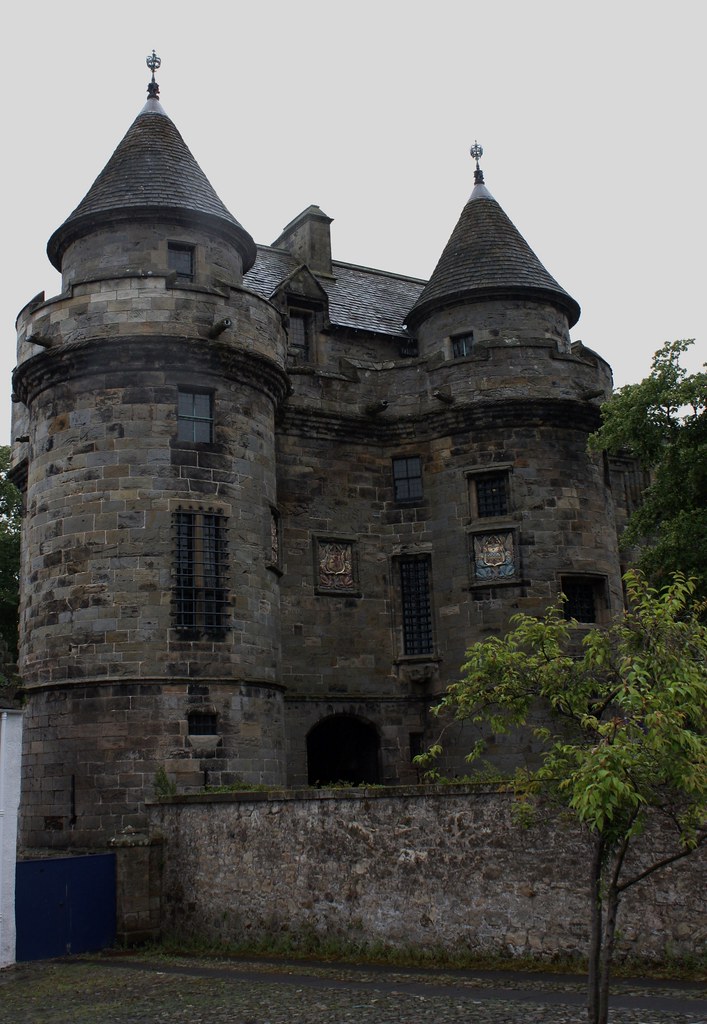
Royal Falkland Palace was once the country residence of the Stewart kings and queens who used it as a base for their hunting trips ~ they hunted deer and wild boar in the forests of Fife. The Palace was built between 1501 and 1541 by James IV and James V. The architecture is advanced for Britain considering the time it was built. It also has a 16th century tennis court ~ one of only two in Britain. The other one is at Hampton Court (near London).

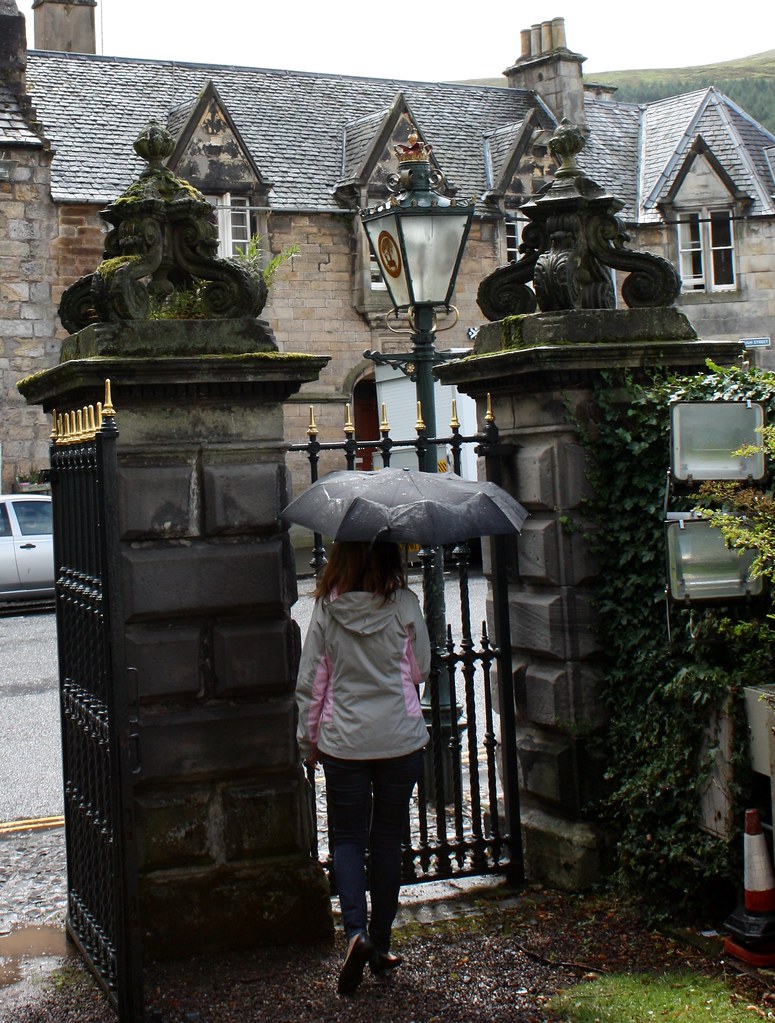
Falkland Fife Scotland Umbrella
At the Palace gates

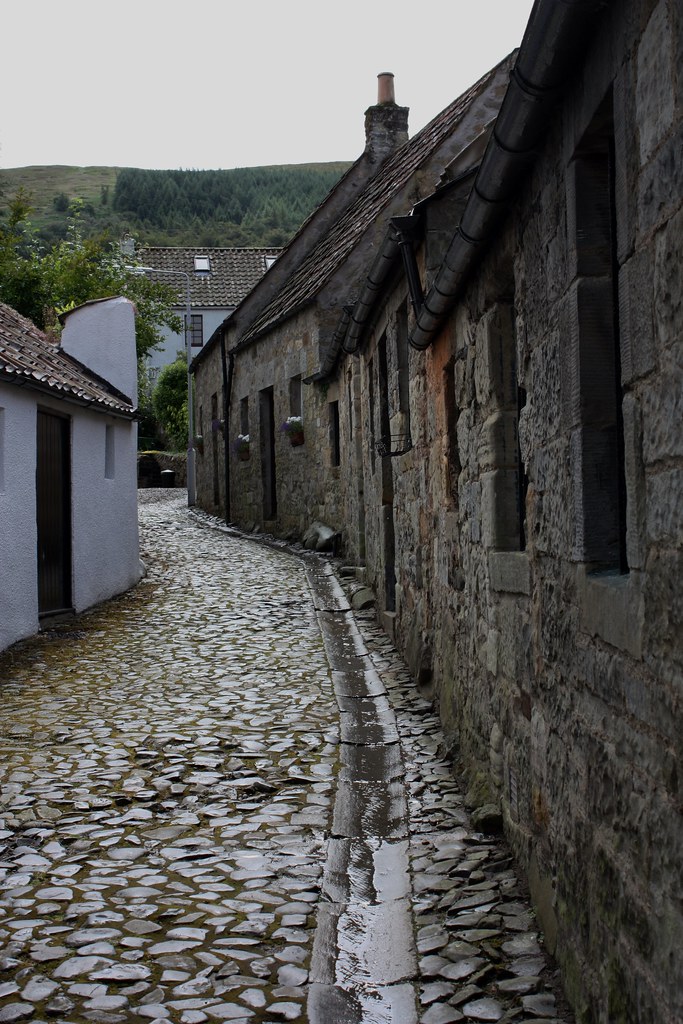
Falkland Narrow cobble store streets
Falkland Walkway

Falkland Palace Scotland
Falkland Palace

Falkland Scotland Enjoying the rain
Rainy Day in Falkland

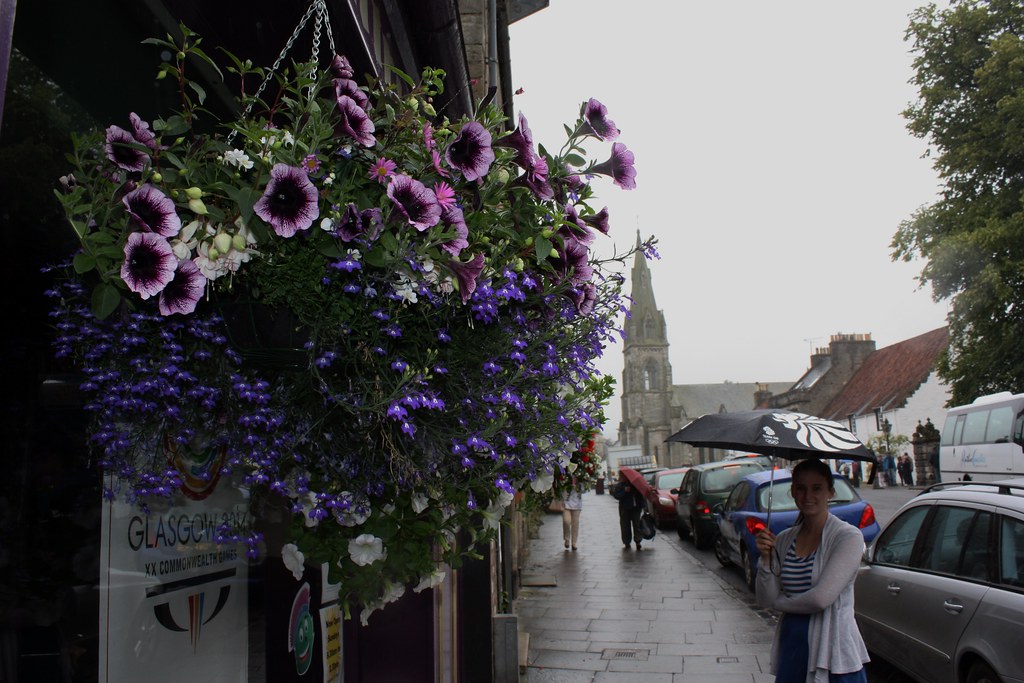
Falkland Scotland flowers and tower
Flowers in Falkland

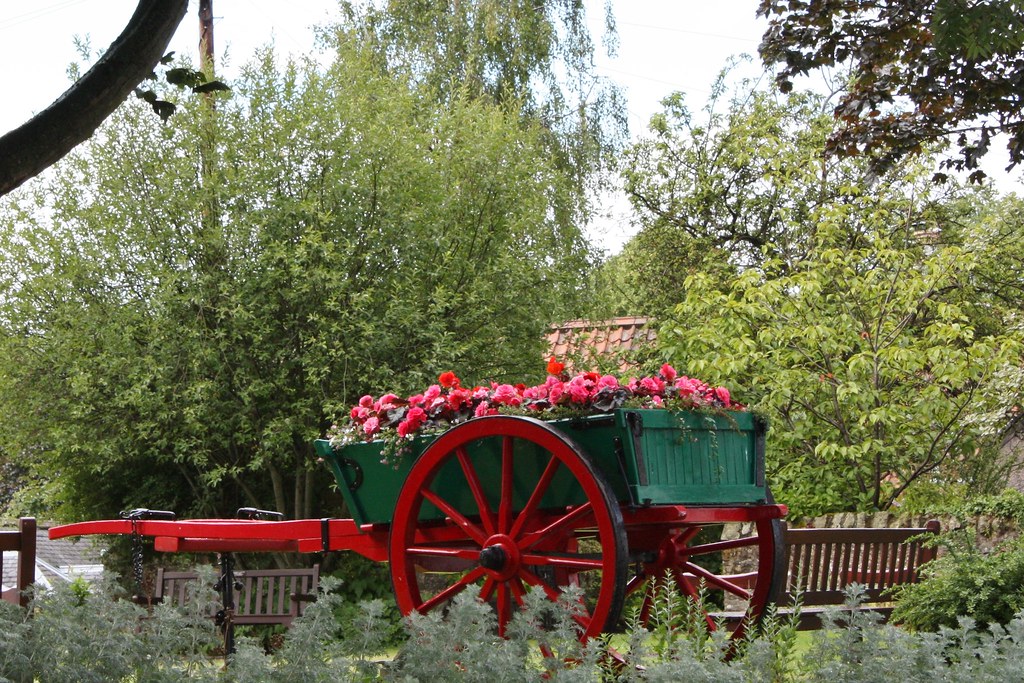
Falkland Scotland Flowers in wheelbarrow
More Flowers in Falkland

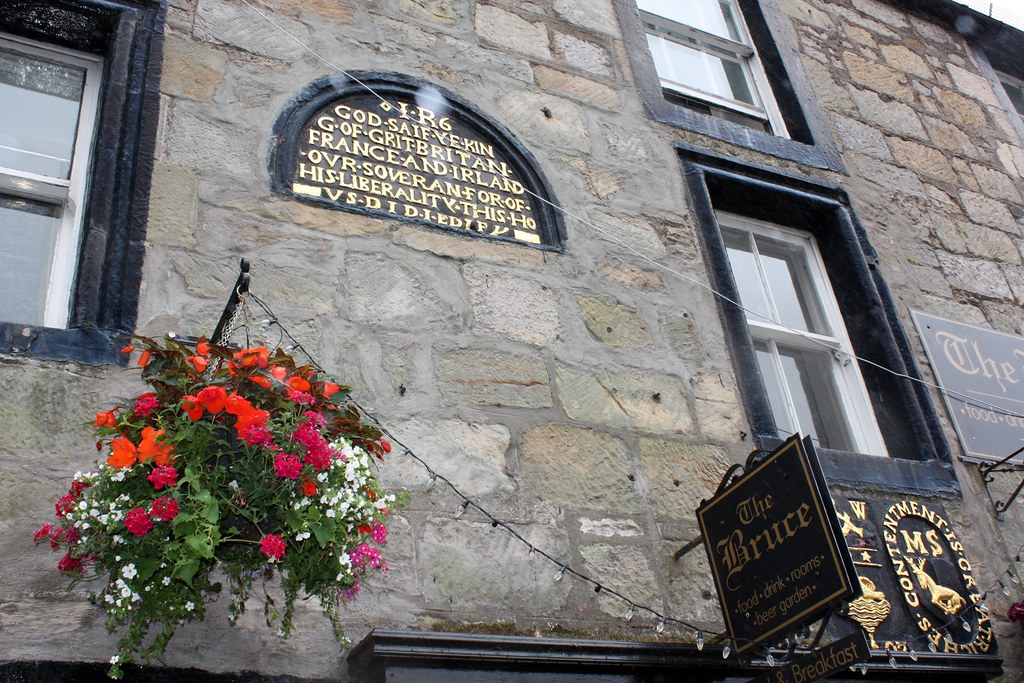
Falkland Scotland Flowers sign The Bruce
The Bruce Restaurant

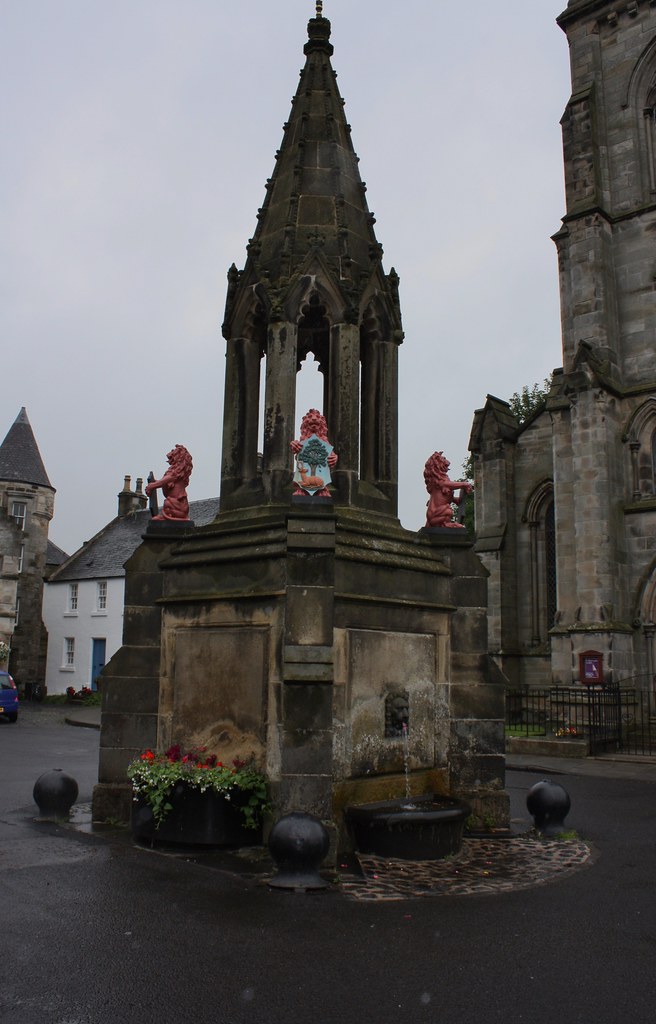
Falkland Scotland Fountain
Fountain in Falkland

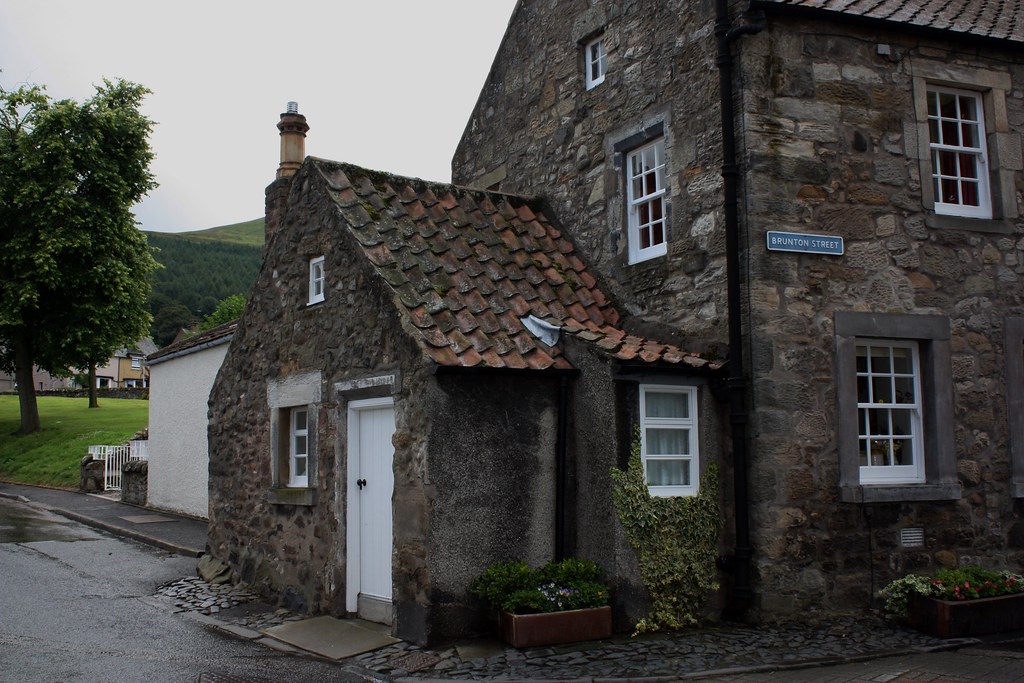
Falkland Scotland stone house
Stone house in Falkland

Falkland Scotland The Smitty house
The Smitty

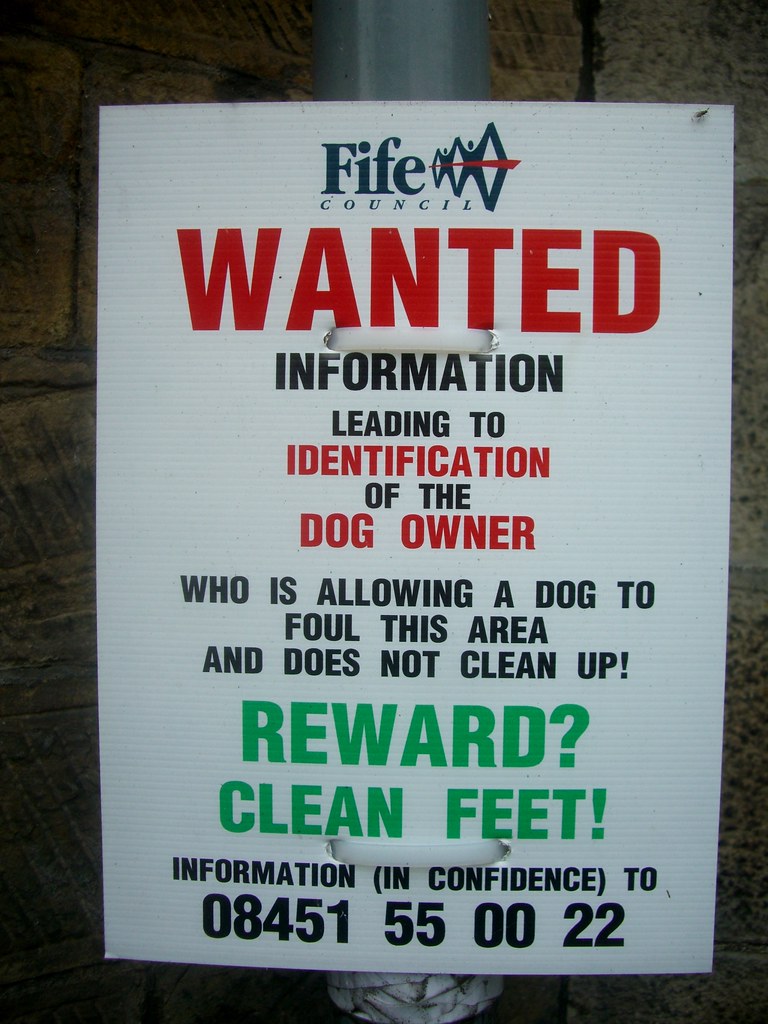
Falkland Dog sign
If you bring a dog into town, take heed!

It was a quick stop but I’m so glad we took the time to enjoy this gem of town in Scotland.

Read Full Post »
If you’re looking for a wonderful day trip while visiting Edinburgh or St. Andrews, be sure to take a ride on the Osprey of Anstruther and wander around the Isle of May. Located just five miles across the water from the beautiful town of Anstruther, it’s only a 25 minute ride to the island. We spent about 2.5 hours on the island and felt like we could have stayed longer. I’ve already posted my puffin photos on a previous post and here are a few non-puffin photos.

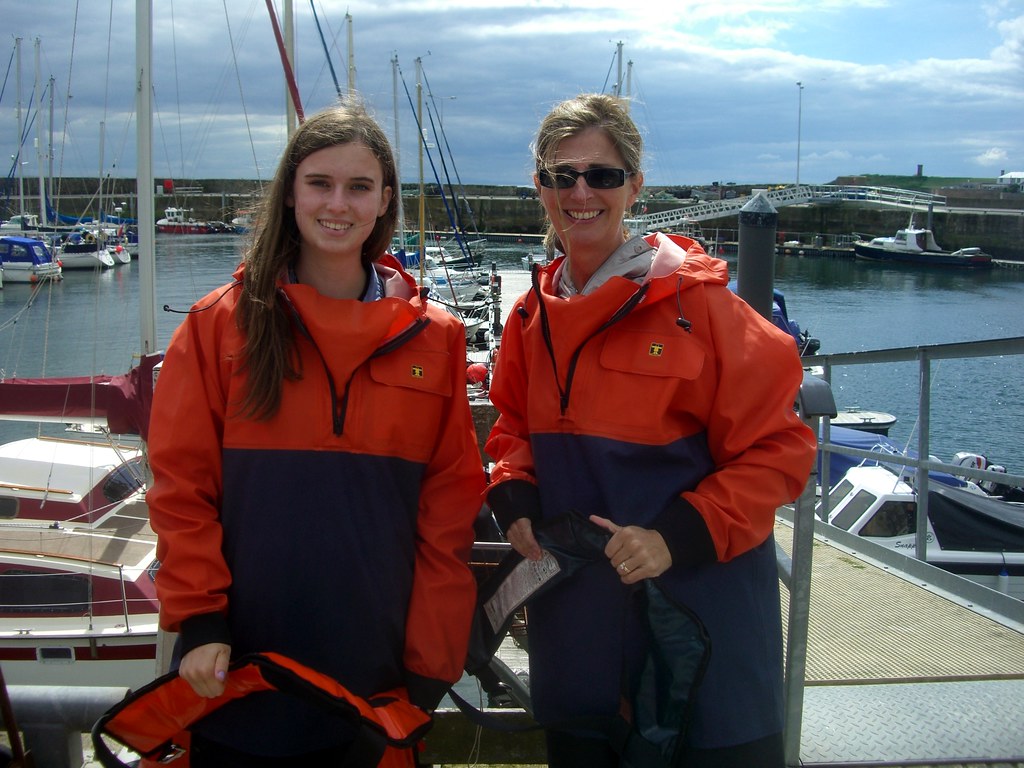
Isle of May Logan and Patti getting ready to go
Suited up and ready for the water

Isle of May boat
The “Osprey”

Town of Anstruther
The beautiful town of Anstruther, Scotland

Isle of May Grey Seals

Isle of May close up grey seal
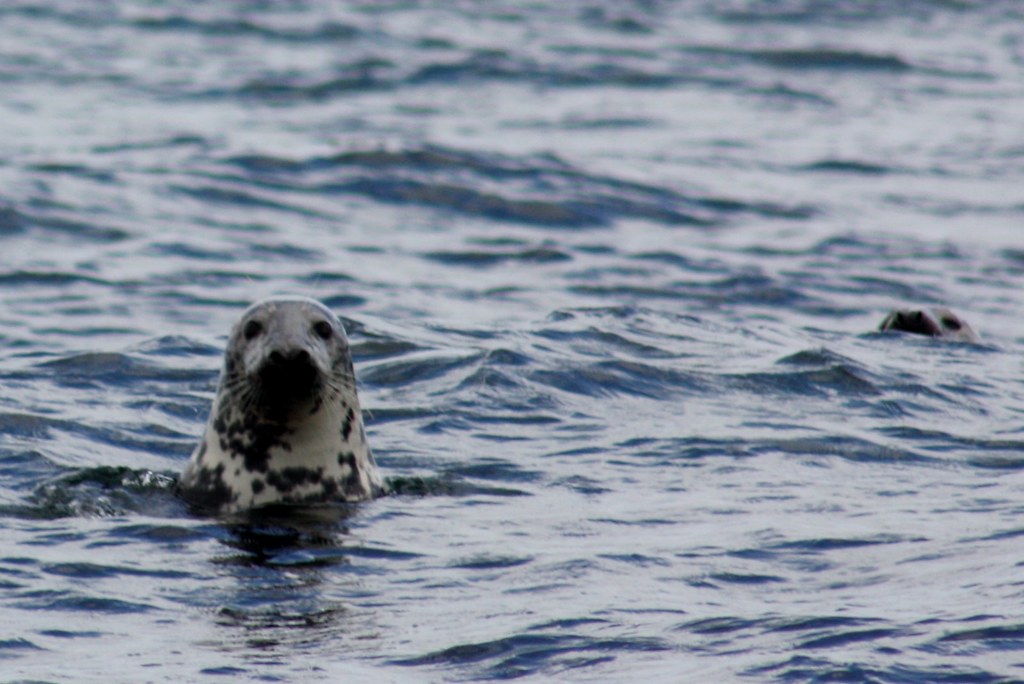
We were greeted by curious Grey Seals as we approached the Isle of May

Isle of May puffin and Lighthouse
As we approached the Isle of May

Isle of May National Park Reserve

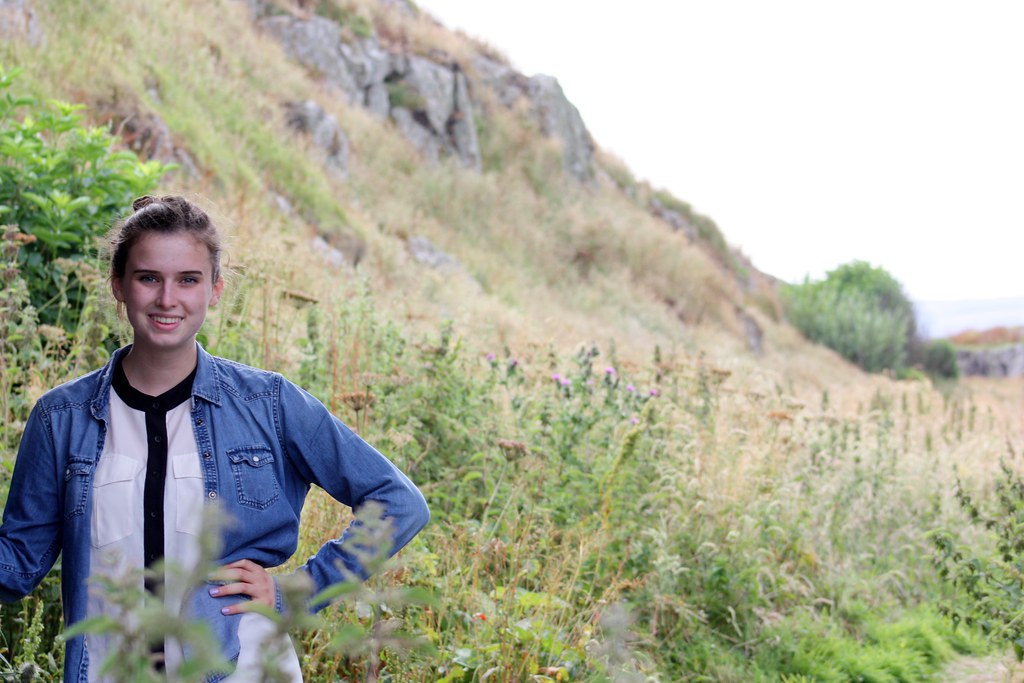
Logan profile
On the Isle of May

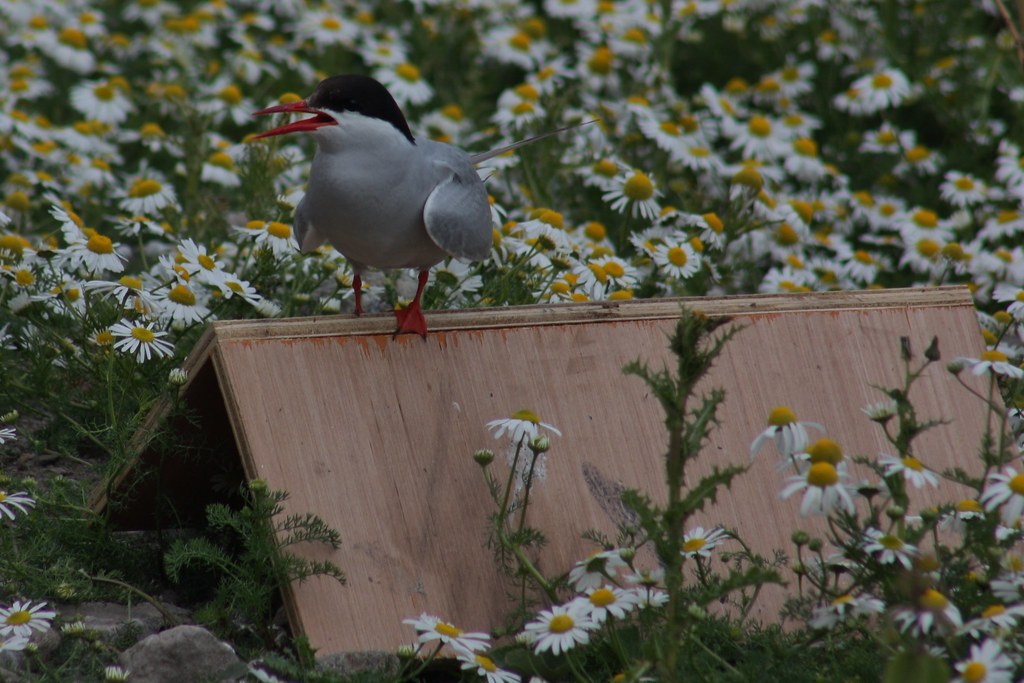
Isle of May Angry bird protecting it's home
Bird protecting its home

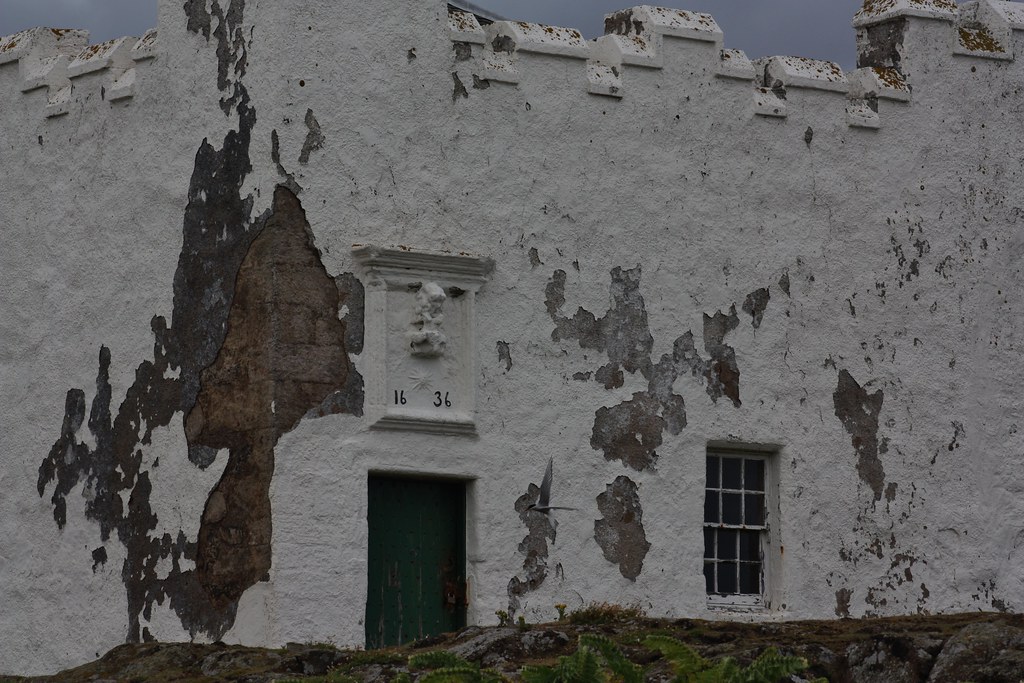
Isle of May 1636 building
Building on the Isle of May (c) 1636

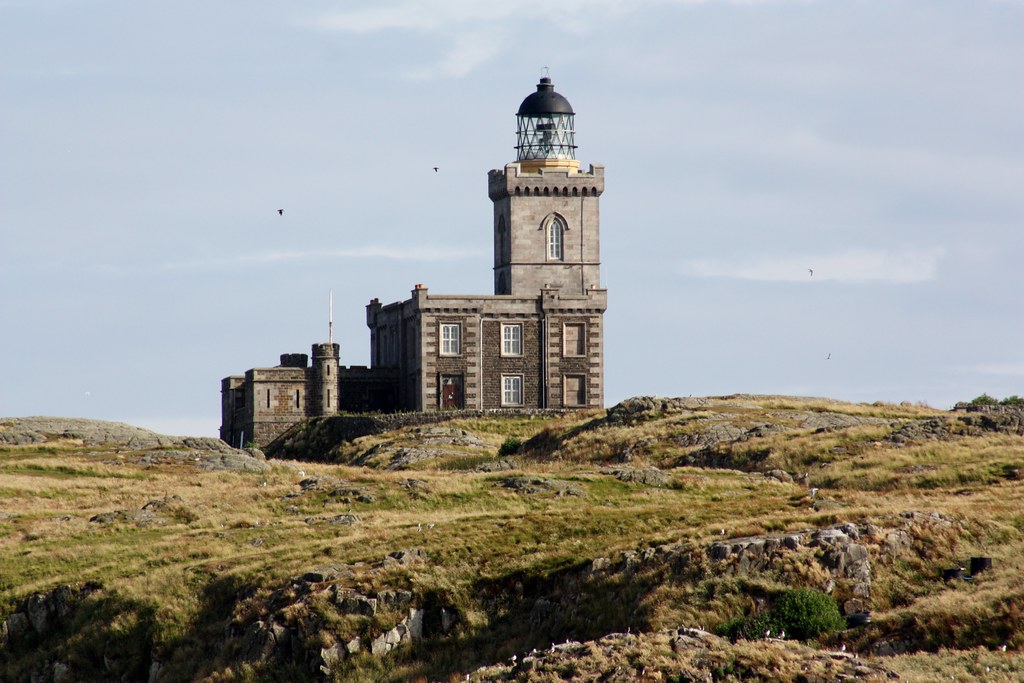
Isle of May Old lighthouse
Isle of May Lighthouse built by Robert Stevenson (father of Robert Louis Stevenson)

IMG_0946
Lighthouse on the Isle of May

Isle of May Logan and John in the field
Beautiful trails on the isle of May

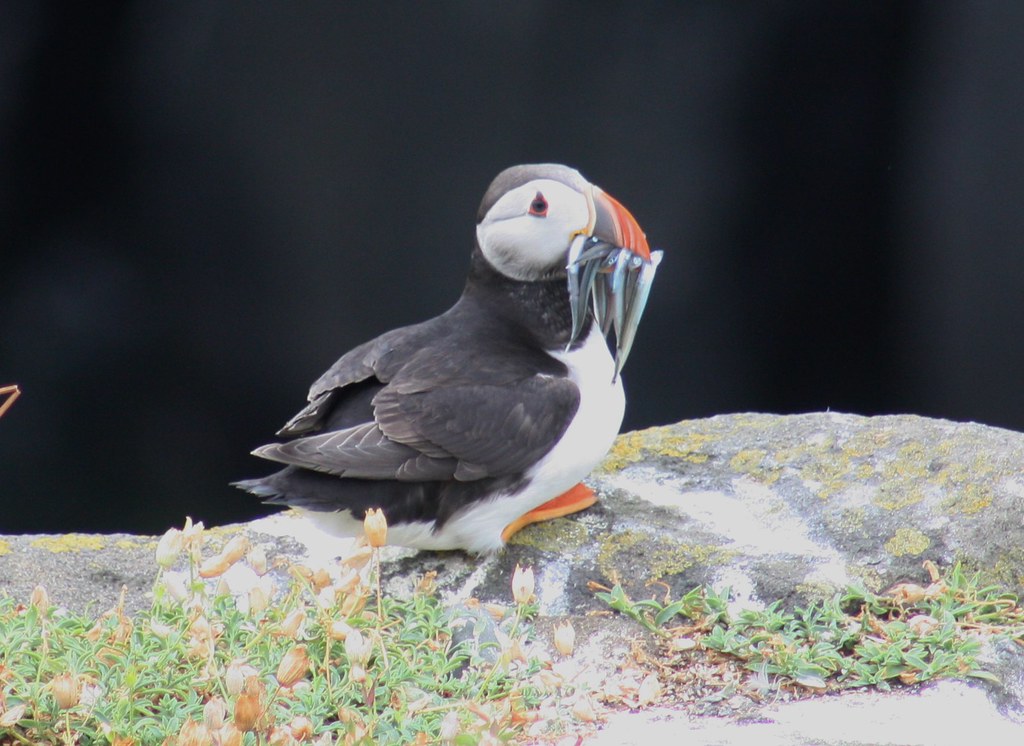
The puffins were my original reason for booking the tour and I was rewarded by seeing thousands of them! I can’t resist sharing one more puffin photo!

Isle of May Puffin with Fish

Truly a great afternoon enjoying nature!!

Read Full Post »
This was our second visit to the small but lively town of St. Andrews, UK. There were a lot more golfers around town as opposed to our wintry visit last year. We stayed at “Ogstons on North Street.” A quaint B&B right in the center of town. Very convenient and a delicious breakfast was available each morning. We also had dinner at the inn one evening – yummy!

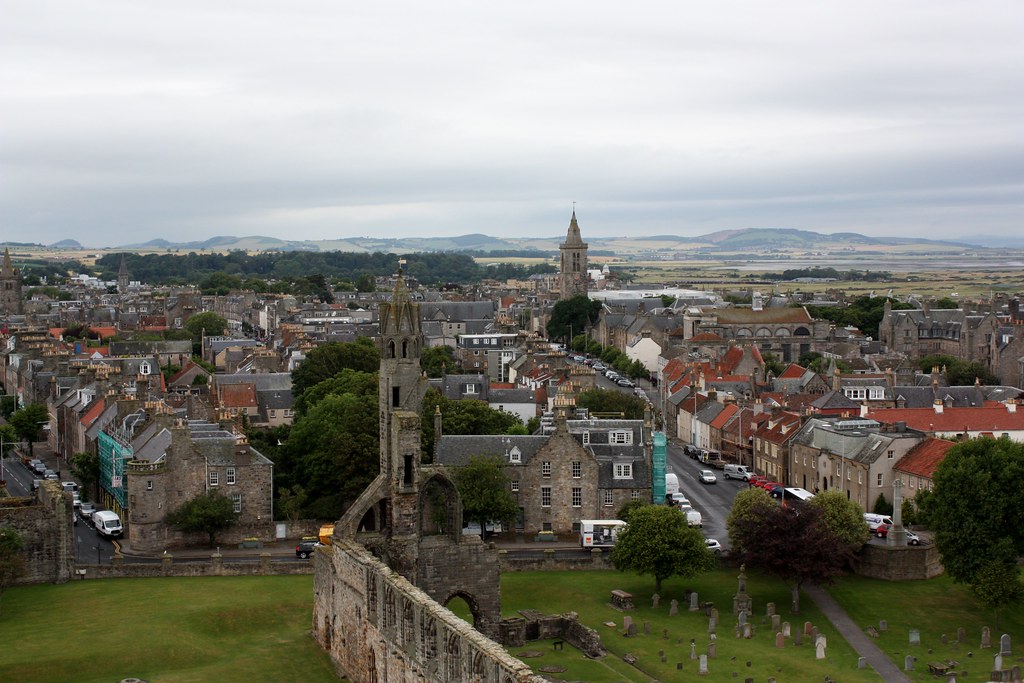
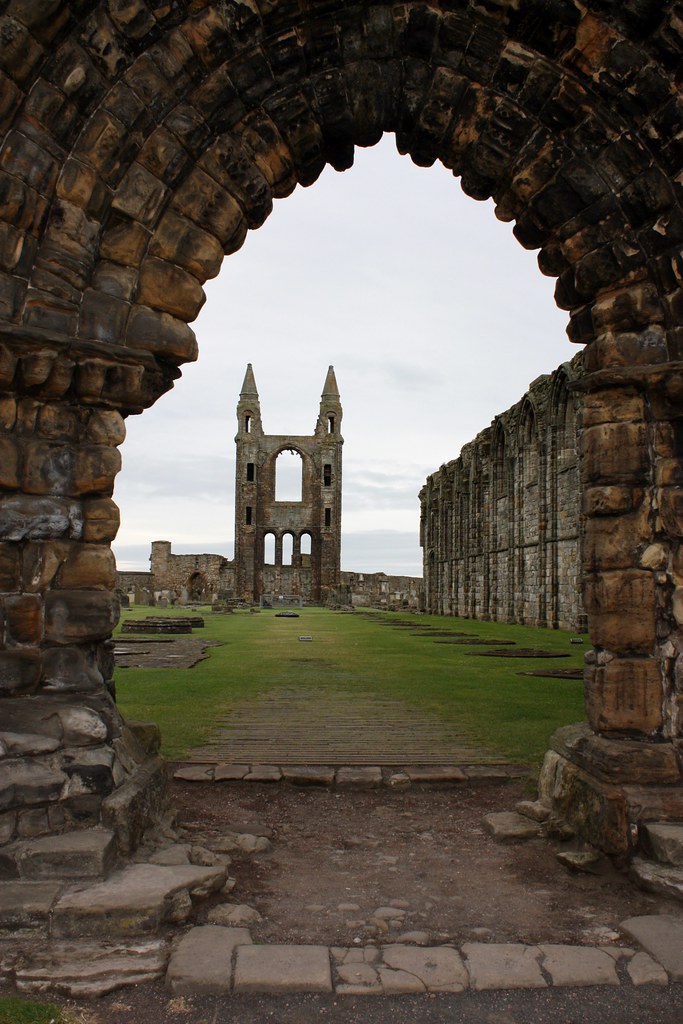
We visited St Andrews Cathedral and the Castle ruins. It’s interesting just to wander around and read the historic sign posts. Imagining what it must have been like when it was all one building. Must have been spectacular. We especially liked the view from the top of St Rule’s Tower ~ located next to the Cathedral area. A token from the Cathedral visitor’s center is required. We climbed the 500+ stairs to the top and were afforded a nice panoramic view of St. Andrews.

St Rule's Tower looking up
St Rule’s Tower ~ looking up

St Andrews St Rule's Tower View
View from St Rule’s Tower

The Cathedral ruins are quite impressive and it’s easy to imagine the scale of the building when standing close to the main altar area. It was founded in 1160 but not consecrated until 1318. It was a pilgrimage center until 1559 when it was destroyed during the reformation.

St Andrews Cathedral ruins
St. Andrews Cathedral

St. Andrews Castle was founded in the early 1200s and sits along the coastline. It is mostly ruins but you still get a sense of what it must have been like back in the 1400-1500s.

St Andrews Castle Grounds III
St Andrews Castle grounds

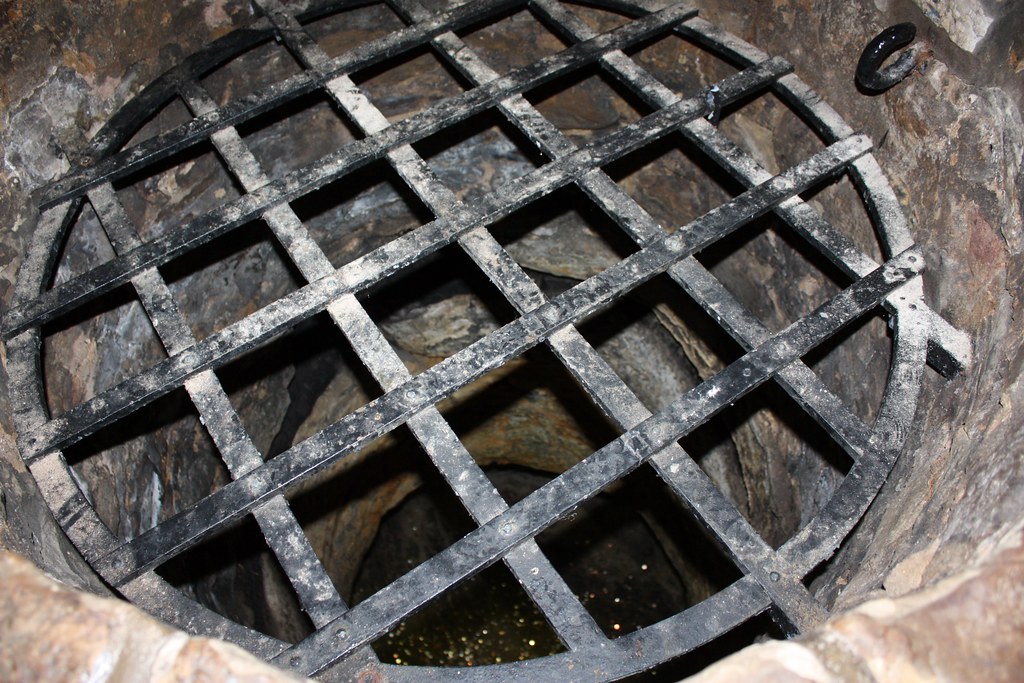
The most eerie part of the castle for me was the hideous “Bottle Dungeon” – prisoners were lowered into an unlit well. Truly, there was no escape possible and I can only imagine the terror they must have felt.

St Andrews Castle Bottle Dungeon

St ANdrews Castle Bottleneck prison cell
Bottle Dungeon

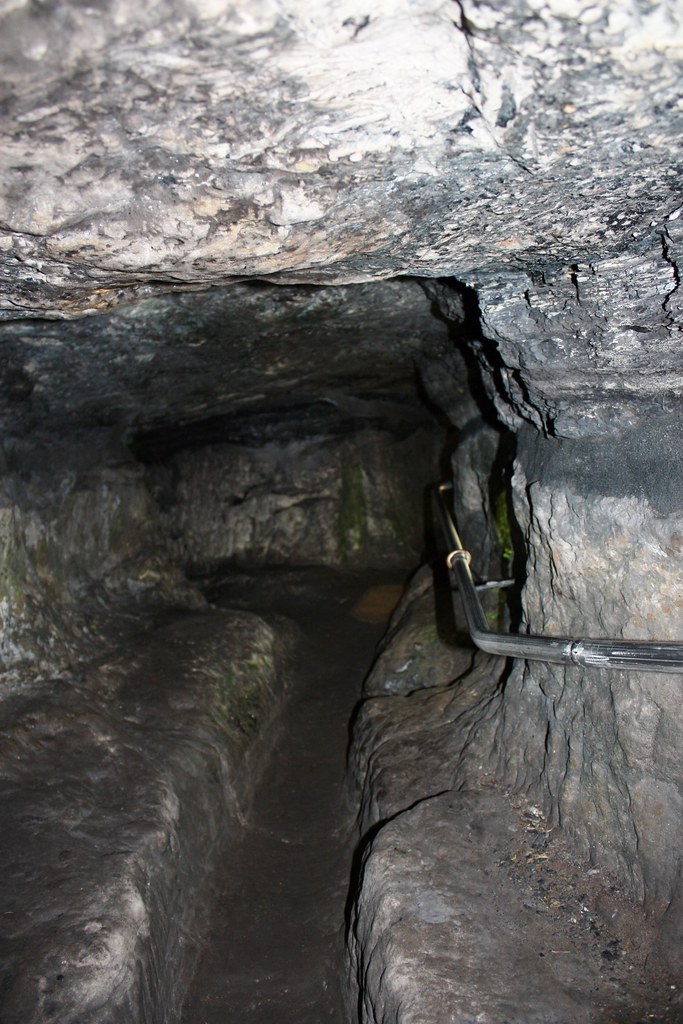
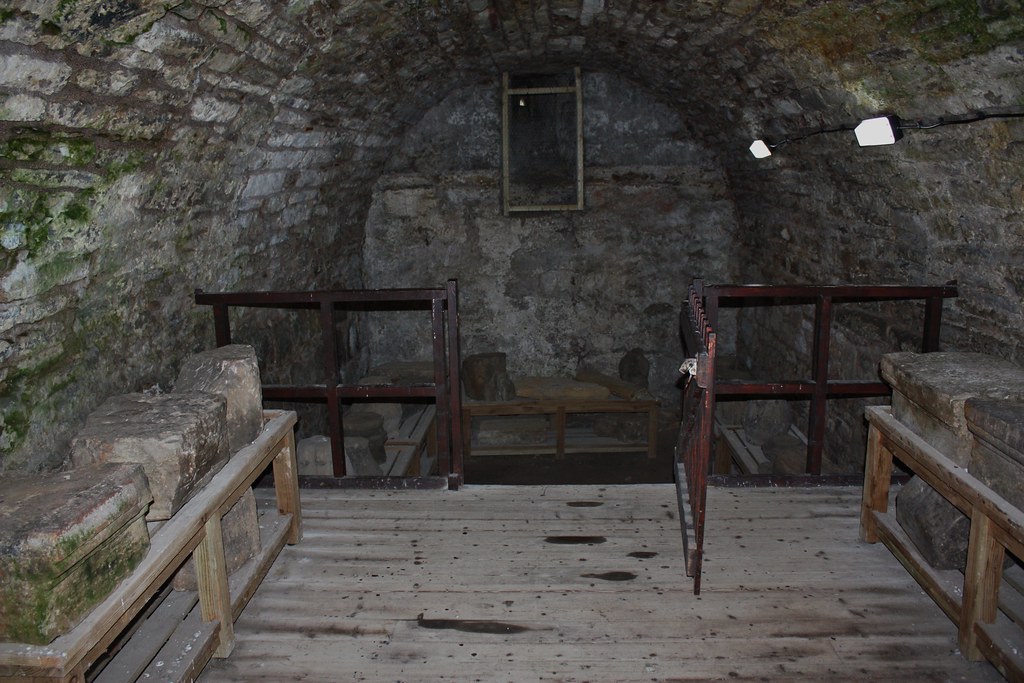
There are also tunnels below the castle. These were built by reformers who killed the Bishop and captured the castle. Their attackers also built a tunnel. It was interesting to go underneath the castle but, again, an eerie adventure.

St ANdrews Castle Tunnel
St Andrews Castle Tunnel

St Andrews Castle Logan
Castle Grounds

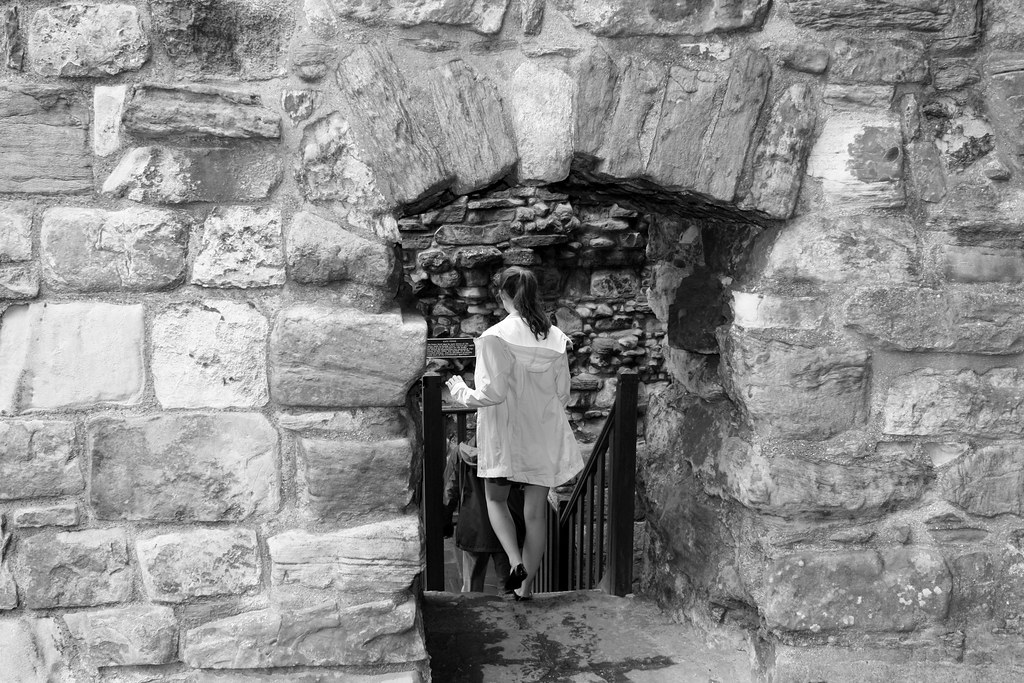
St Andrews Castle indoors
Inside the Castle

St Andrews Castle grounds
Castle Steps

Read Full Post »
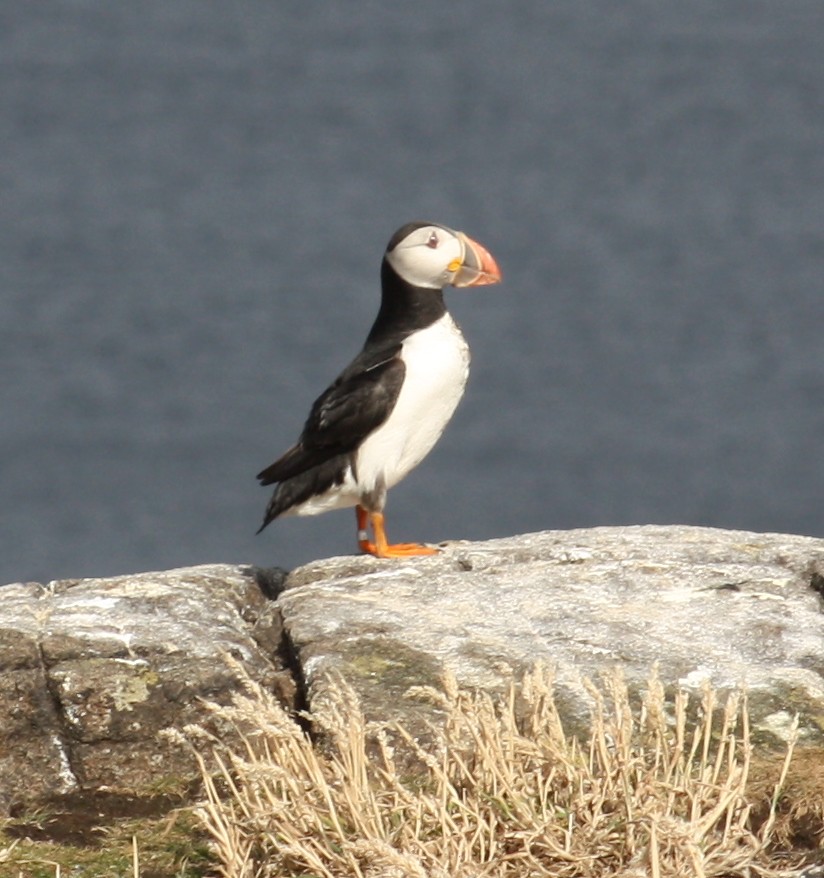
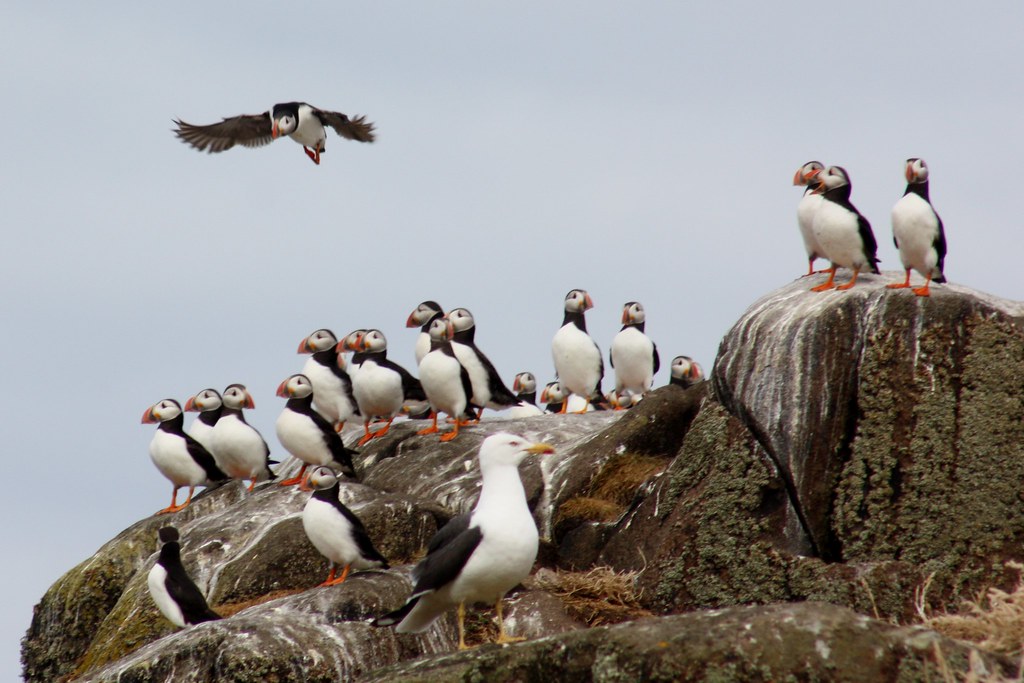
Isle of May is an interesting Nature Reserve and an easy day trip from St Andrews. More to come on the details of our wonderful outing but for now feast your eyes on my favorite birds, the Puffin.

The Clowns of the Bird World…

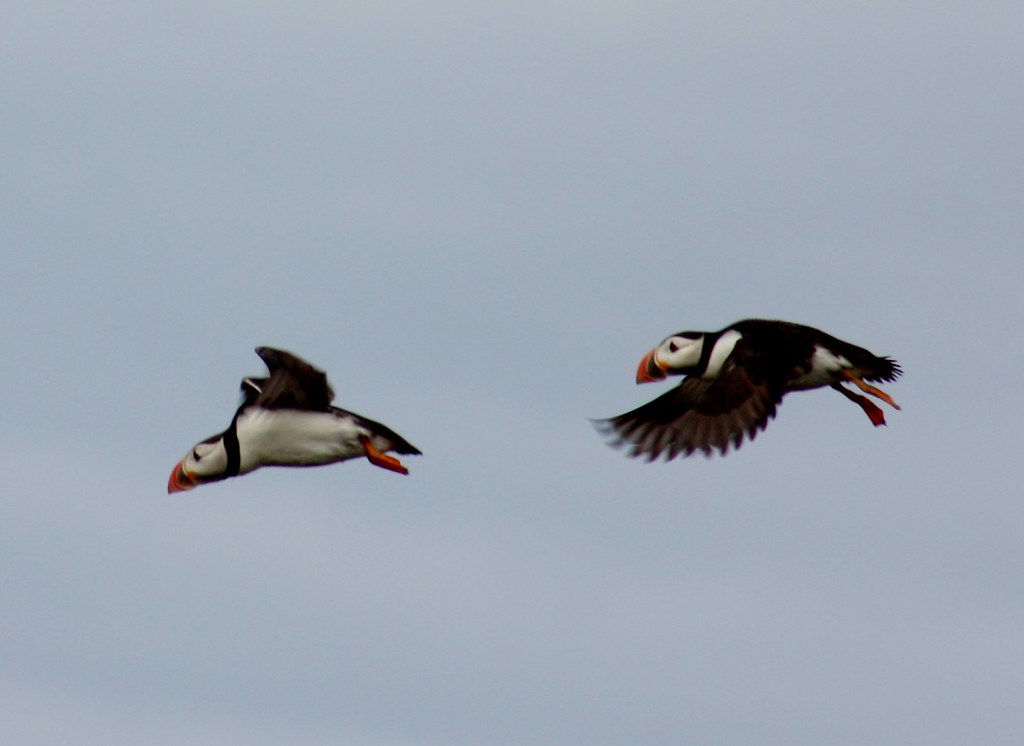
Isle of May puffins in flight

Isle of May Puffin with tracker

Isle of May Puffin with Fish

Isle of May puffin in flight
One of these is not like the others!

Isle of May puffin in flight IV

Isle of May puffin in flight II

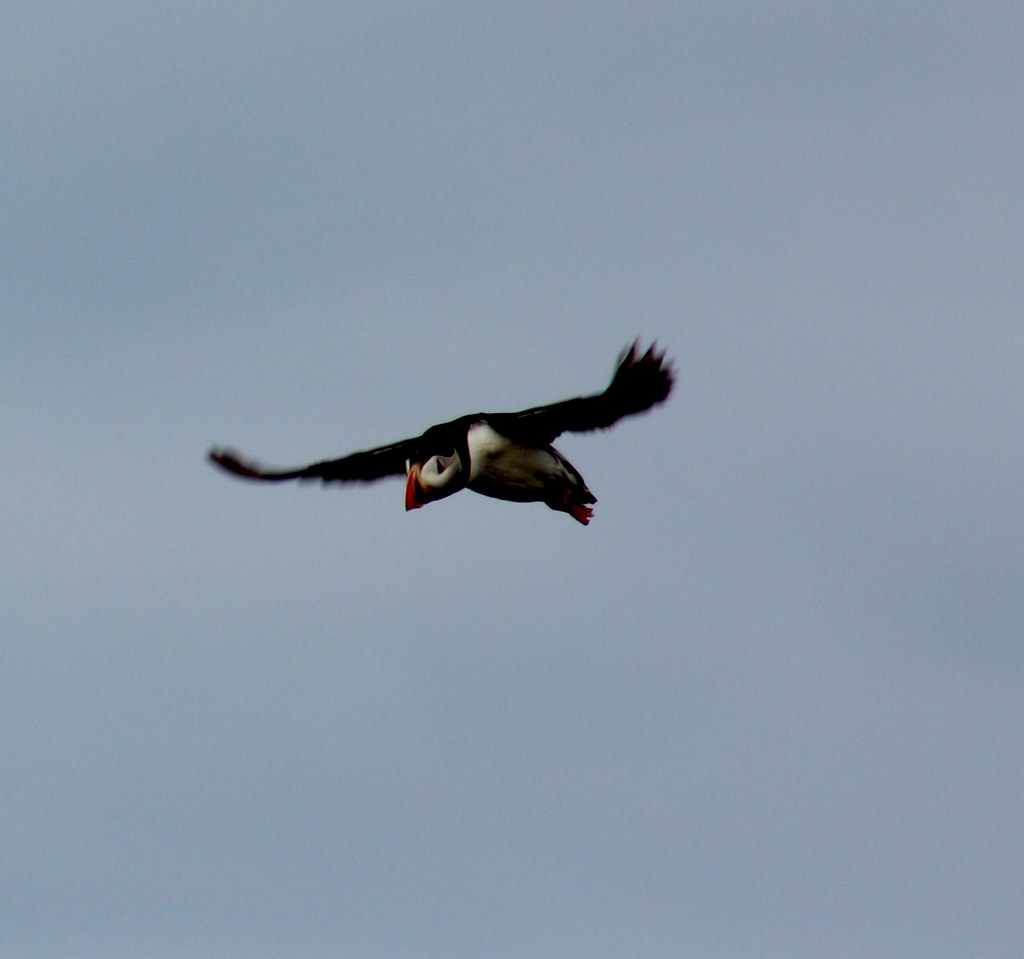
All photos are by me ~ it took me a while to figure out how to catch them in flight since they are FAST flyers. I smiled the entire time we were watching these fun creatures. And will definitely go back when we’re in the area again.

Read Full Post »
« Newer Posts - Older Posts »