Posts Tagged ‘Travel’

We decided to take a very last minute, unplanned trip to Slovenia and Croatia. It has been a whirlwind but lots of fun. Slovenia is one of our favorite countries in Europe. The capital, Ljubljana is safe, beautiful and very friendly. When we lived in Germany, we visited Slovenia four times but our last visit was 10 years ago. There have been a few changes but the essence of the country is still the same. Thankfully, the city seems even better than we remembered.

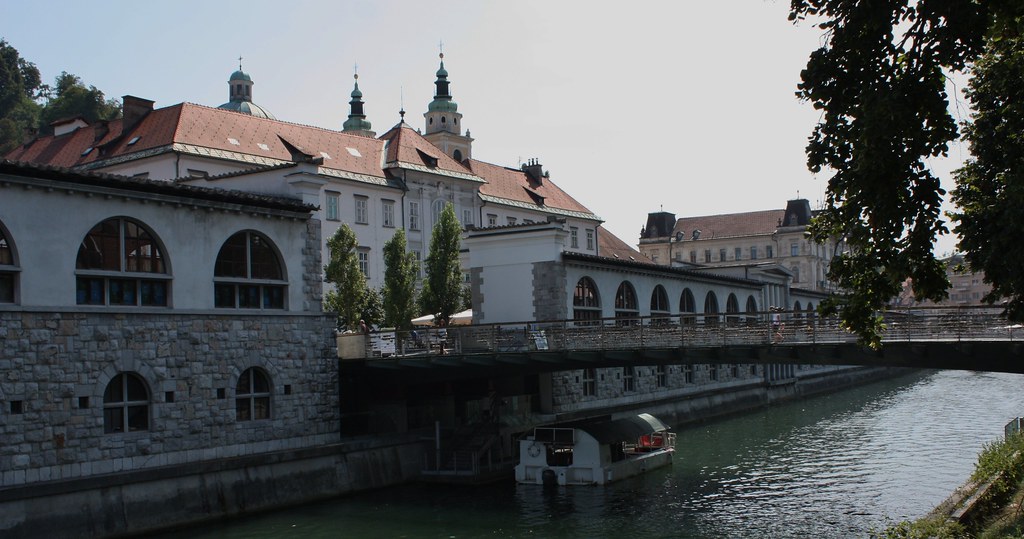
Boat under bridge in Ljubljana Slovenia
The beautiful Ljubljanica River which flows through the center of the city

Boat under Bridge Ljubljana Slovenia II
The Ljubljanica was a major supply and trade route from Roman times until the advent of the railways. You’ll find a lot of social activity along the river with many outdoor cafes, tourist boats and entertainers.

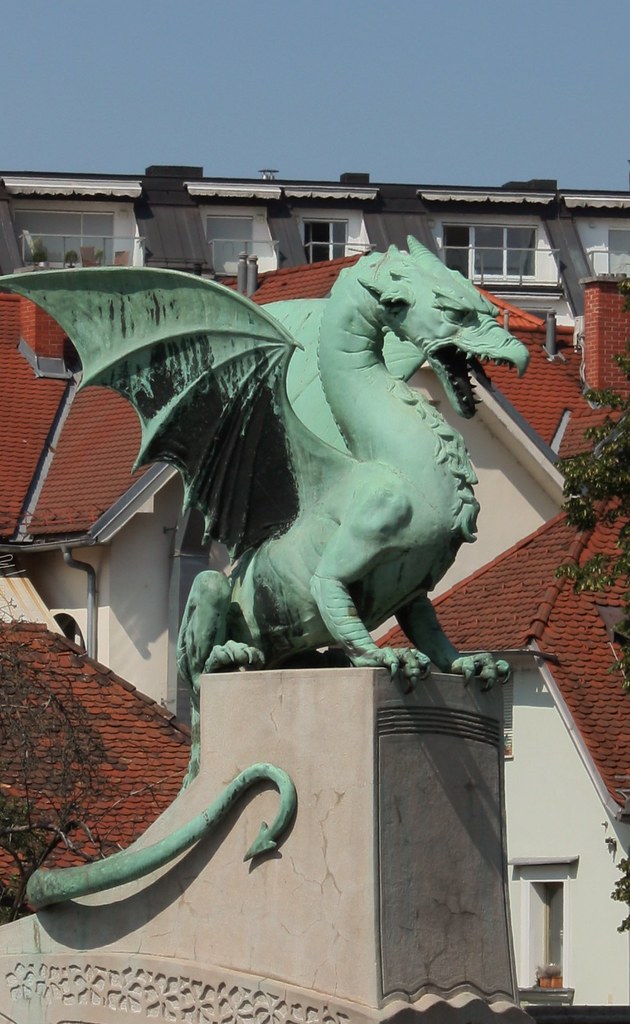
Dragon Ljubljana Slovenia complete statue
The Dragon Bridge. The Dragon is the symbol of Ljubljana and you will see the fierce-looking dragons all over the city.

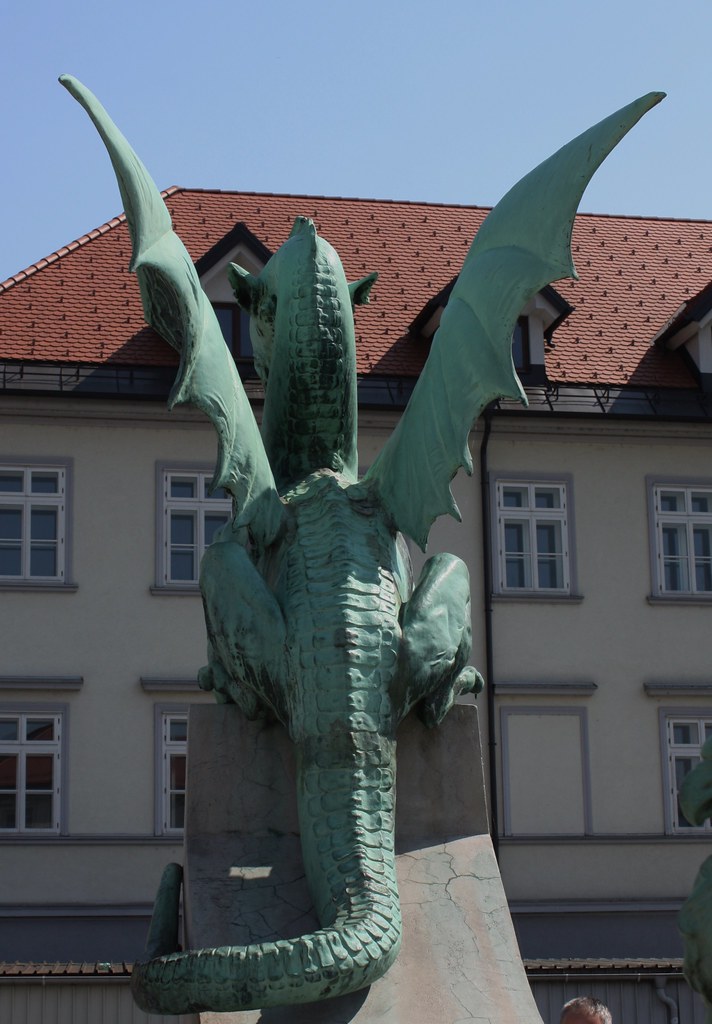
Dragon backside Ljubljana Slovenia
Back side of the Dragon Bridge

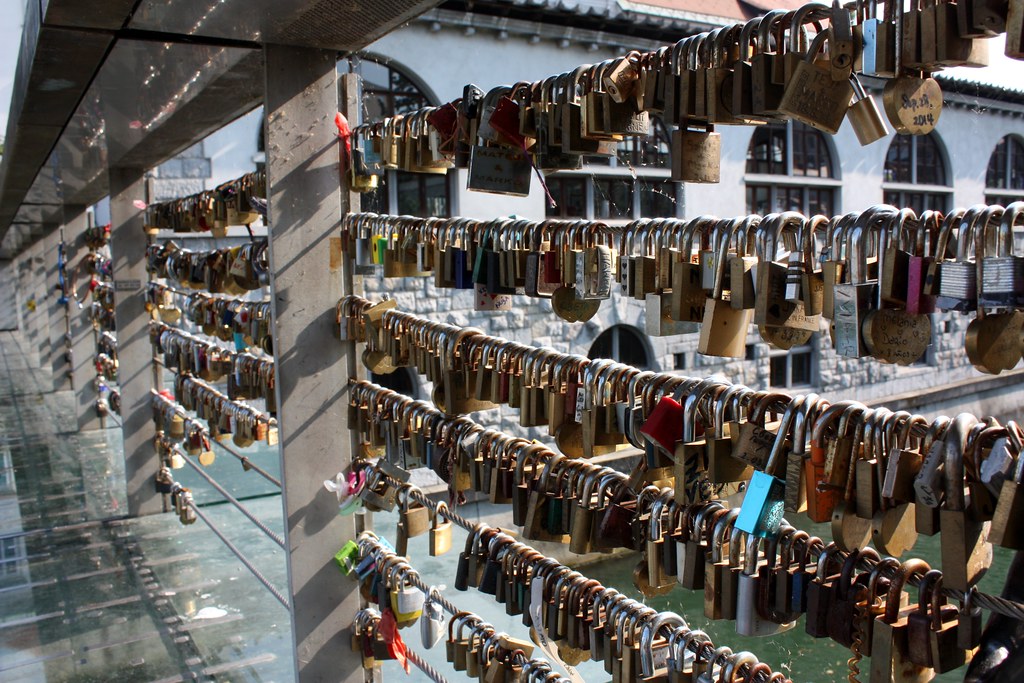
Locks on the bridge Ljubljana Slovenia
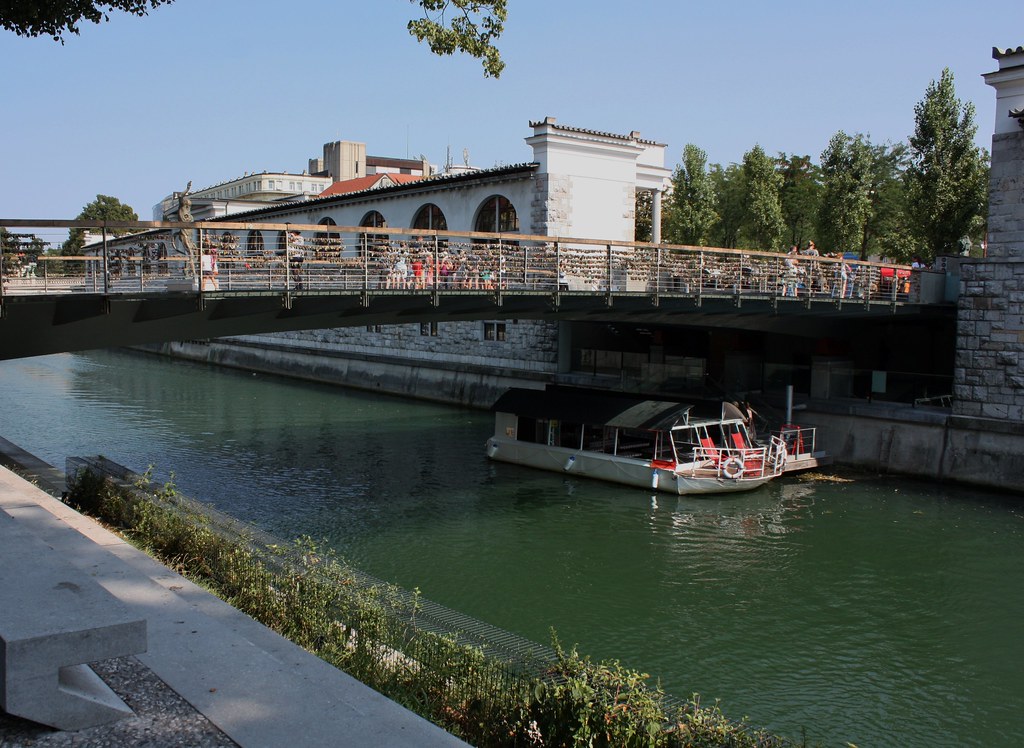
The Butcher’s Bridge, built in 2010, has become a popular spot for the lover’s locks. Keys are thrown into the river. Personally, I’m not a big fan of the locks (or the litter going in the river). Call me unromantic but I think lovers should have to use combination locks so if they break-up, one of them can come back and remove the lock.

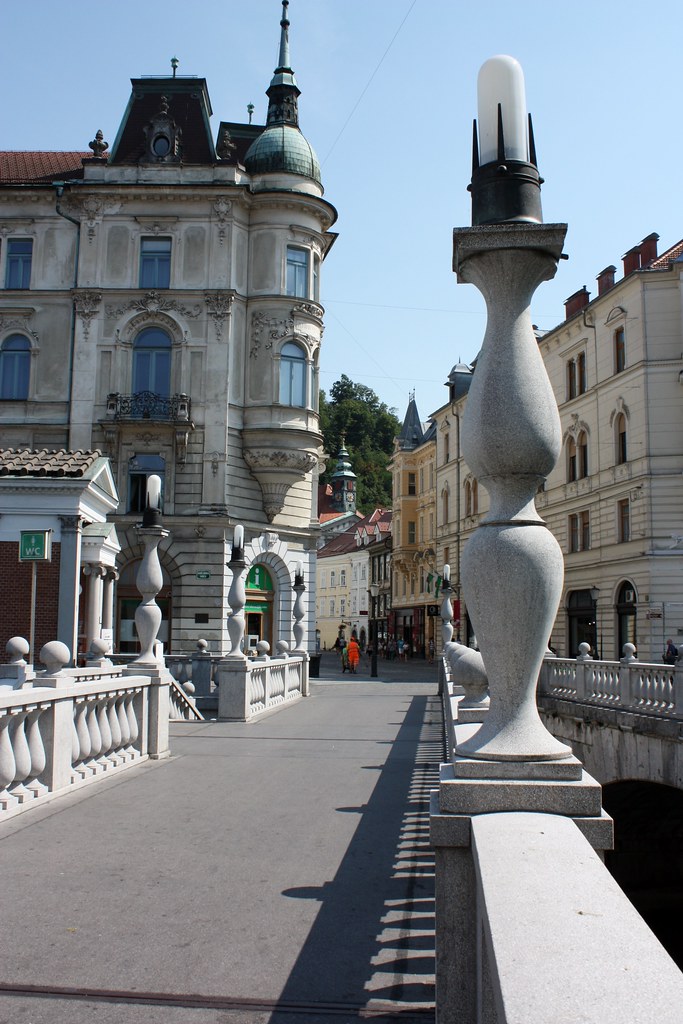
One of the three bridges in Ljubljana Slovenia
Walking across “Triple bridge” off the main square in the city center. It was originally built in 1842 and is a good starting point when touring the city, especially for first timer.

Two boats under bridge in Ljubljana Slovenia III
The first thing we did when we arrived is head down to the river, have a glass of wine and RELAX!

Read Full Post »

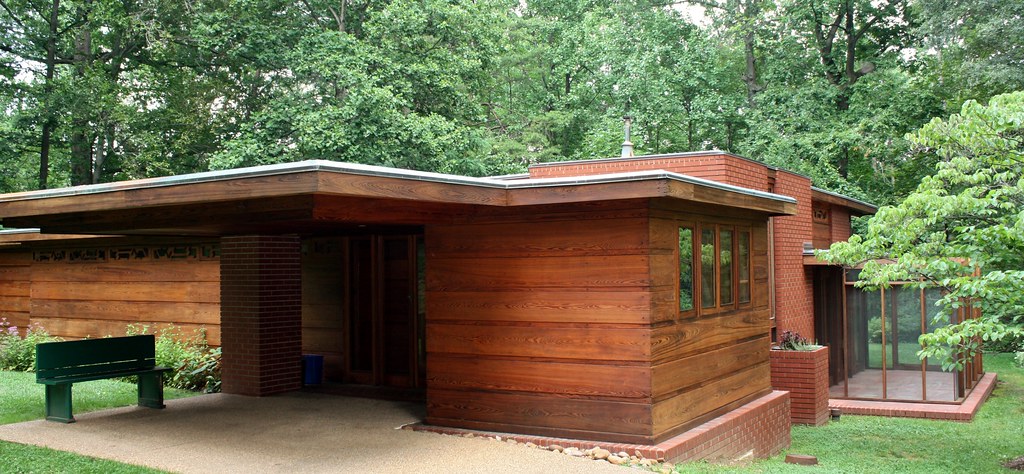
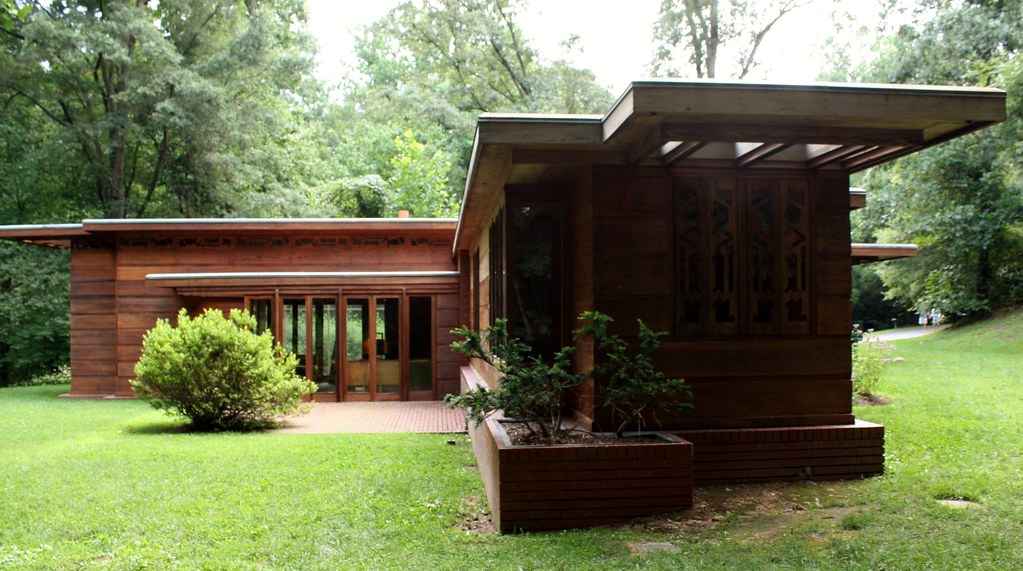
The Pope-Leighey House was owned first by Loren Pope, a journalist. He was intrigued by Frank Lloyd Wright’s home designs and wrote to the architect asking to be considered. At the time, Wright made his decisions based on the location and family. The house was commissioned in 1940 and became part of the more than 100 of these modest homes, referred to as Usonian, which were constructed between 1936 and Wright’s death in 1959.

The Leigheys were the second owners of the home. In the 1950s, when Hwy 66 was being widened and in danger of being destroyed due to eminent domain, Mrs. Leighey graciously gave the property to the National Trust, which relocated it to nearby Woodlawn. They granted her lifetime tenancy and Mrs. Leighey lived in the house at Woodlawn until her death in 1983.

In 1995-96, the house required another move due to the unstable clay soil but this time, it only had to be moved thirty feet up the hill. Currently, Route 1 is expanding and Woodlawn/Pope-Leighey House are along the route. Wisely, the decision makers went with the other side of the road so both historic sites wouldn’t have to be moved.

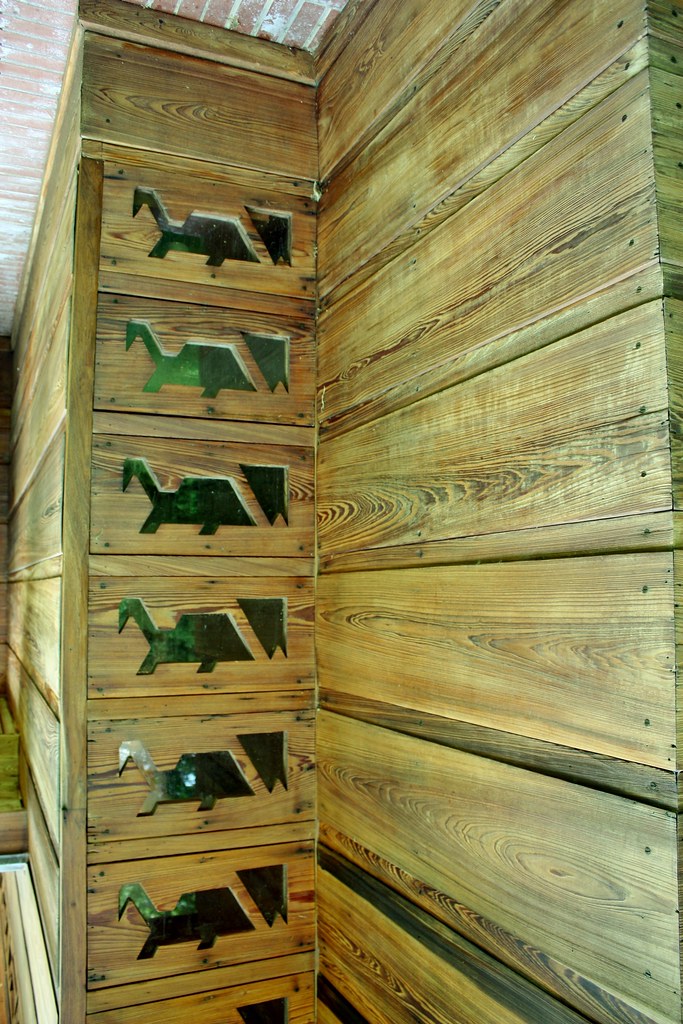
Pope Leighey carport and front doorFront Entrance and car port Pope Leighey dinosaur

Detailed woodcarving on all the windows.

Pope Leighey porch

Between 1936 and Wright’s death in 1959, he focused on designing and constructing over 100 affordable, middle-class residences. The style was referred to as Usonian, thought to mean “the United States of North America.”

Pope Leighey House I
The house is very small and would be ideal for a beach or lake house but I couldn’t imagine a family of five, like the Popes, living in it comfortably. No privacy whatsoever. On the positive side, it blended in nicely with the environment and all the little details inside the home were clever and quirky.

Read Full Post »

On March 27, 1912, Cherry Blossom (Sakura) trees were planted along the Tidal Basin in Washington DC. They were a gift of Friendship and Goodwill from the Japanese Government. The Japanese were thankful for the role the United States played in brokering The Treaty of Portsmouth which formally ended the Russo-Japanese War of 1904–05.

But the original idea for bringing the beautiful Sakura to Washington DC came from Eliza Scidmore. She worked as a travel writer and photographer. In 1885, she fell in love with the Cherry Blossom trees while visiting her diplomat brother in Japan and thought they would look lovely around the marshy area that had yet to be developed (later to be the National Mall and Tidal Basin). It took her almost 20 years to have her dream realized.

It wasn’t until she caught the attention of Dr. David Fairchild that the plan starting to take shape. He was a plant explorer and an official at the Department of Agriculture. In 1906, he personally imported seventy-five flowering cherry trees from Japan and planted these on his property in Chevy Chase, Maryland to test their survivability this area. By 1907, encouraged by the success of their own trees, the Fairchilds began to promote the idea of importing Cherry Blossoms for Washington DC. By 1909, First Lady Helen Taft was involved which meant the White House was on-board and it all came to fruition within a few years.

I’m not a fan of introducing plants or animals into an area where they aren’t indigenous. There have been too many destructive results from both intentional and unintentional introductions. As an example from a very long list, Fireweed (also known as Madagascar Fireweed) was discovered in the 1980s in Kohala’s cattle pastures on the Big Island (Hawaii). Many believe it was brought in via ground cover seeds from Australia where it is also invasive. The weed is toxic to cattle and is estimated to cost the Australian government and cattle industry over $2 million a year.

Even the beloved Cherry Blossom trees were not without incident. The original two thousand trees had to be burned once they arrived due to heavy bug infestations. Despite the possibility of a diplomatic disaster, the risk to the native trees, plants and crops was too high to be ignored. Thankfully, another 3,020 Cherry Blossom trees were sent and haven’t had any negative side-effects on the local environment ~ unless you count too many visiting blossom stalkers.

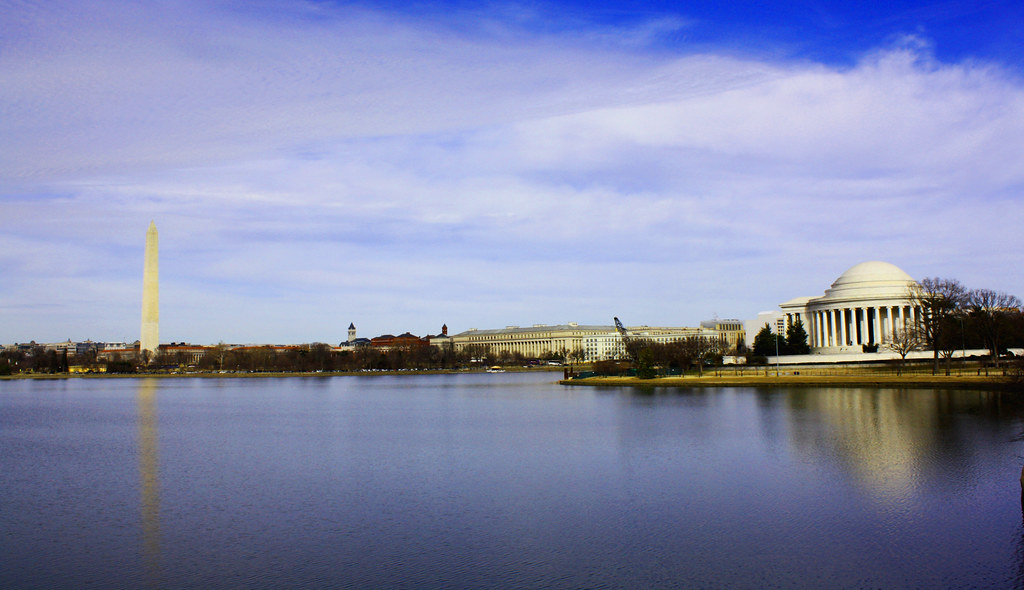
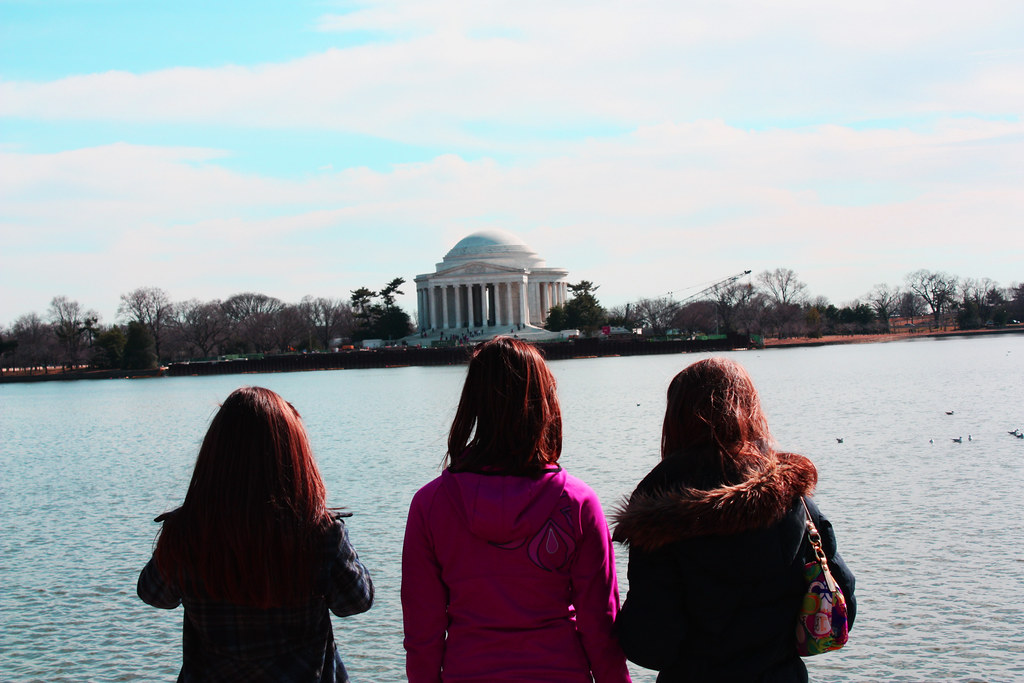
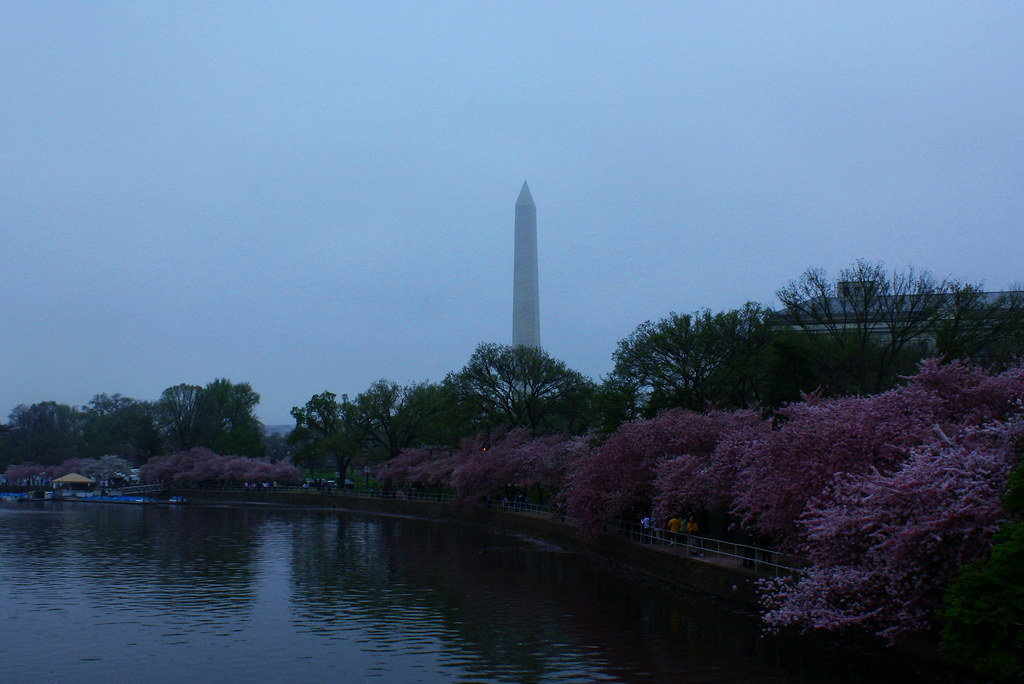
This is what the Tidal Basin in Washington DC looks without the blooms…
Tidal Basin Cherry Blossom Trees

Waiting for the Cherry Blossoms

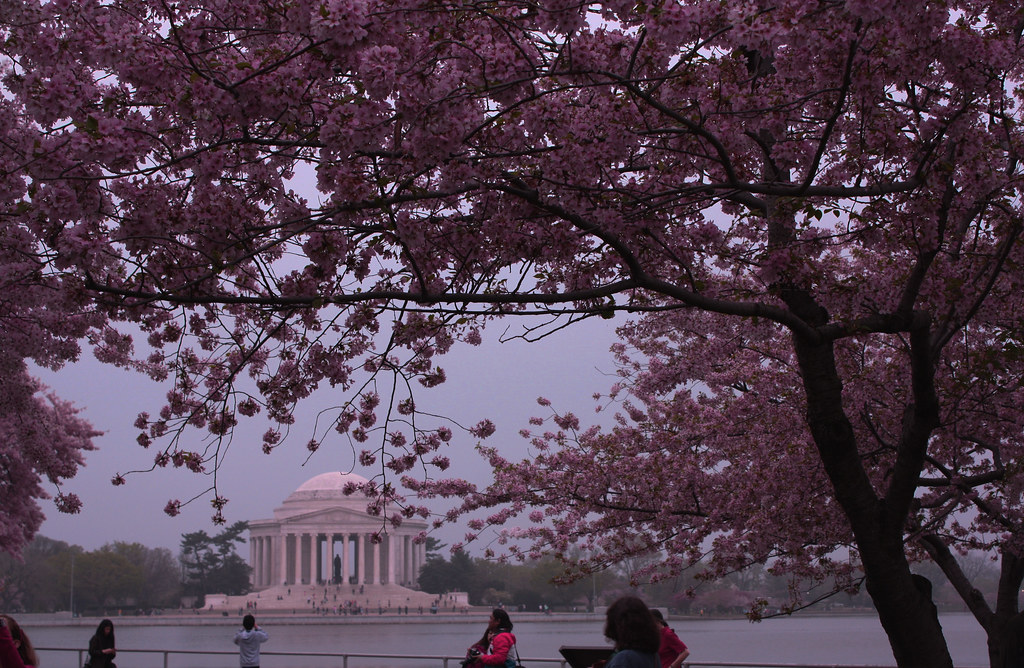
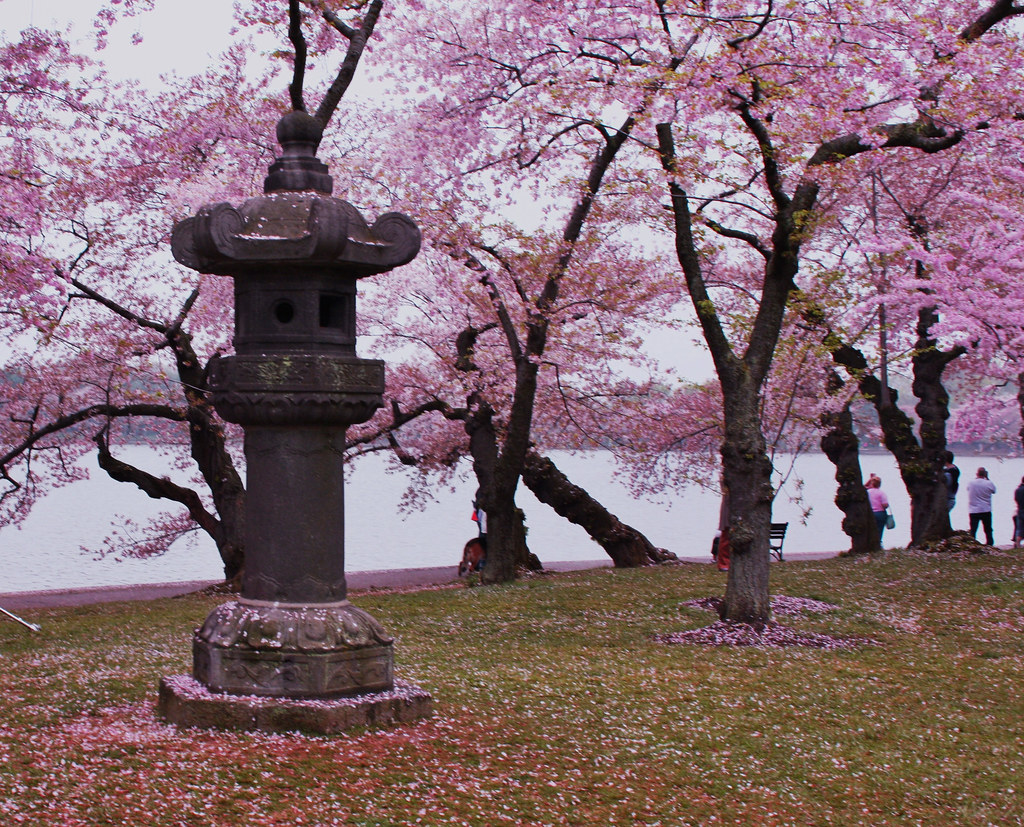
but in a few weeks it will look more like this (these were taken at the end of the bloom period in 2012):

Jefferson Memorial and Cherry Blossoms

Cherry Blossoms and a pagoda

Cherry Blossoms and Washington Monument

Cherry Blossoms in Bloom

The 2015 Peak Blooms Prediction is April 11-14 which mean the blooming period will start a few days prior and can go for up to 14 days past the peak times. I’m excited I’ll be running in the Cherry Blossom 5K which is on April 12 this year ~ and hopefully the prediction is correct.

The National Park Service provides much more historic details and information about the trees as well an event list for the Cherry Blossom Festival at their website. For those unable to visit Washington DC during the Cherry Blossom season, there’s a webcam for your viewing here. The live feed isn’t active yet but will be in a couple of weeks. Enjoy!

Read Full Post »

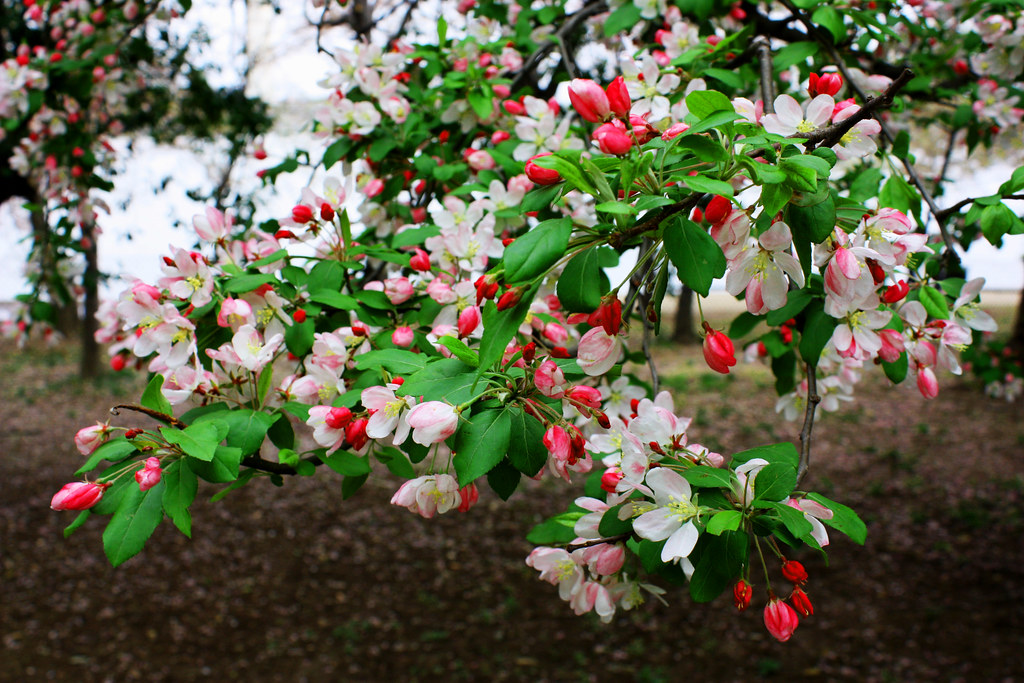
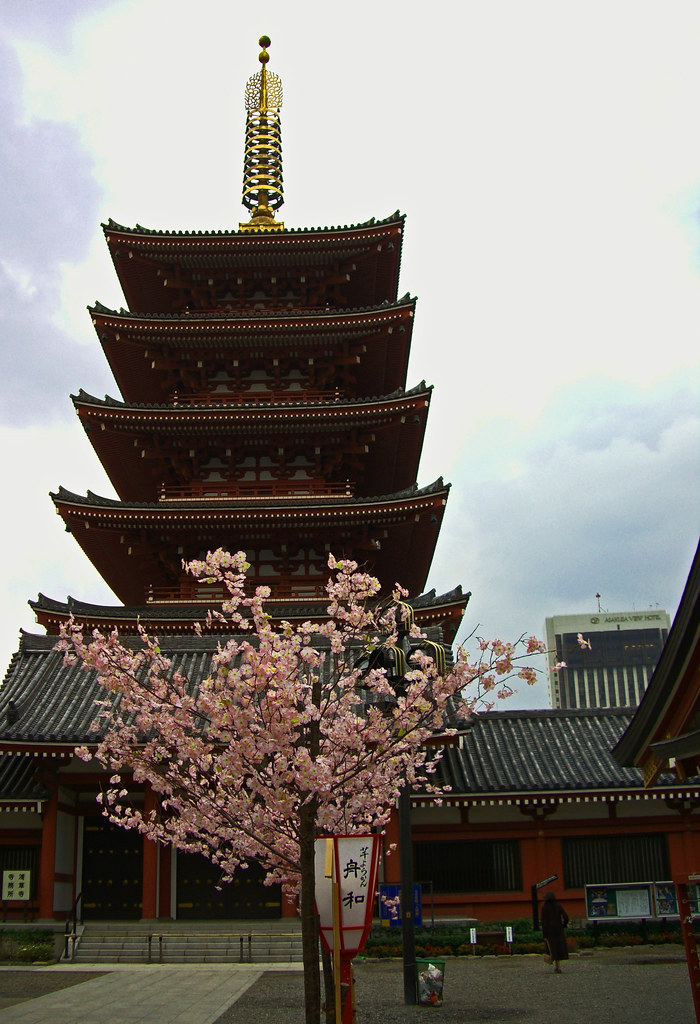
Hello to Springtime
Bright Sakura from Japan
Brief but beautiful

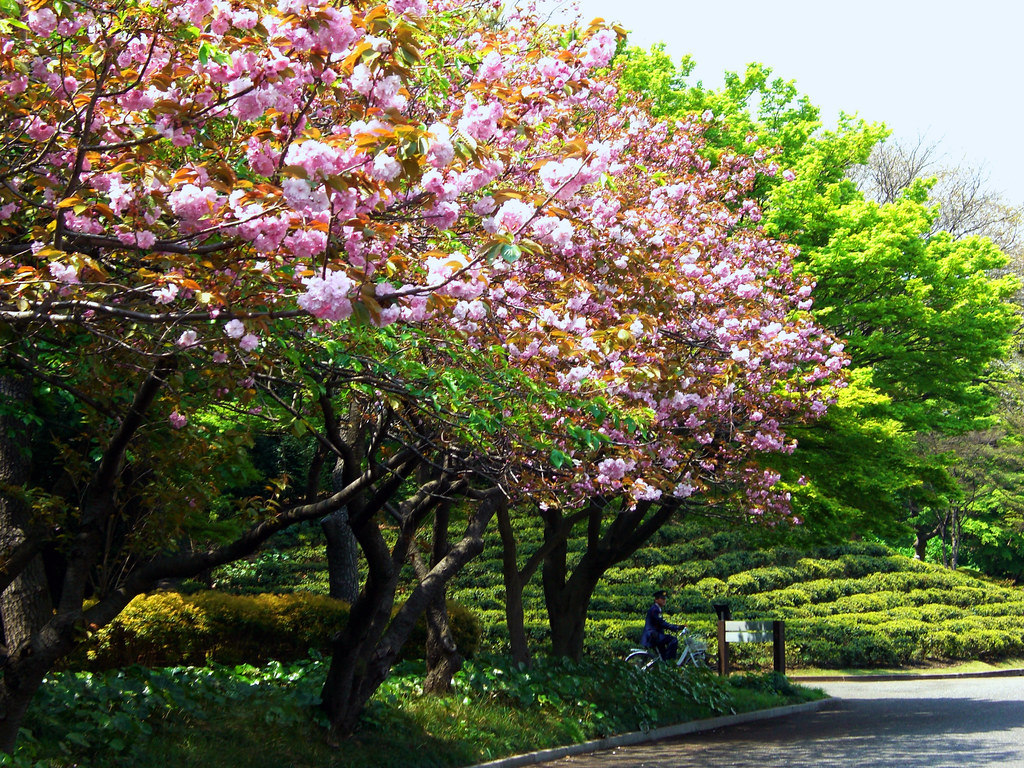
Predicting the peak Cherry Blossom bloom time in Washington DC is a “no win” situation just like those embattled school officials deciding whether or not to call a snow day. We’ve had visitors ask us when they should plan their vacations to see the Cherry Blossoms but there’s never a guarantee. The Cherry Blossoms are beautiful but extremely fickle. We felt very lucky when we visited Tokyo for a week in 2007 and the Sakura were still in bloom:

Cherry Blossom Tree
Japanese Park with beautiful Cherry Blossom Trees and a bicycling policeman

Cherry Blossom and Logan
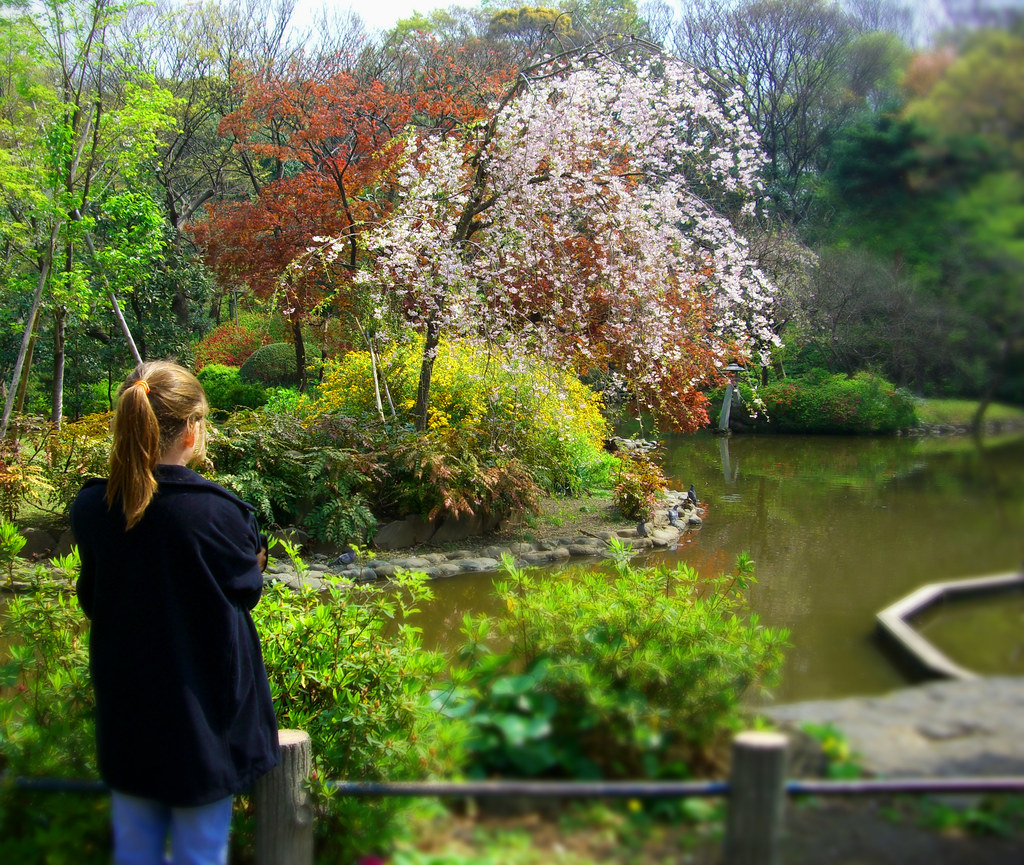
Enjoying the view of the lake and Cherry Blossoms

Cherry blossom tree Japan
Cherry Blossom Tree and Japanese Temple

View from New Sanno Hotel, overlooking French Embassy
View of a Cherry Blossom tree from our hotel room

As we anticipate the 2015 Cherry Blossom season here in Washington DC this year, I’ve got my camera at the ready!

Read Full Post »

As I plan for a summer trip to the Rockies, I can’t help but take a ride down memory lane. Many years ago (way back in the 1980s), my college summer breaks were spent working at a lodge in the Grand Teton National Park, Wyoming. It was summer camp on steroids. I worked six days a week and spent every moment I had off either hiking, biking or partying with friends. Friends who were from all different parts of the country. Many who I still keep in touch with (thanks to Facebook we’ve reconnected) but sadly I’ve lost touch with many. Roommates, work friends, people I can’t even remember their names but remember fond times together.

I loved living there ~ the mountains are stunningly beautiful, the air is clean, and the lifestyle was extremely addictive. Not much to worry about unless you were climbing a mountain or out in the back-country in the winter where there was a definite possibility of serious injury or death. I jumped at the chance when I was offered a winter position. I took a year off of school. Not a decision my parents were thrilled with and when the snow was piled high with -45 degree temperatures (yes, negative forty-five), I wondered myself about my decision. But looking back I don’t regret one moment. It was truly a great place to spend my late teens and early twenties.

When I left for the last time (in 1988), I made the conscious decision not to return, even for a visit. I was afraid I would want to move back. I even purposely missed the reunions. My memories were so wonderful that I preferred those to returning. I’m ready now though and plan to show my daughter all my old haunts ~ at least the ones still in existence.

I dug out vintage photos but will keep the “upside down margarita” party photos to myself. I’m so thankful there were no smartphones (instagram, snapchat, etc) during those days. Some things are better remembered in my mind and not on digits.

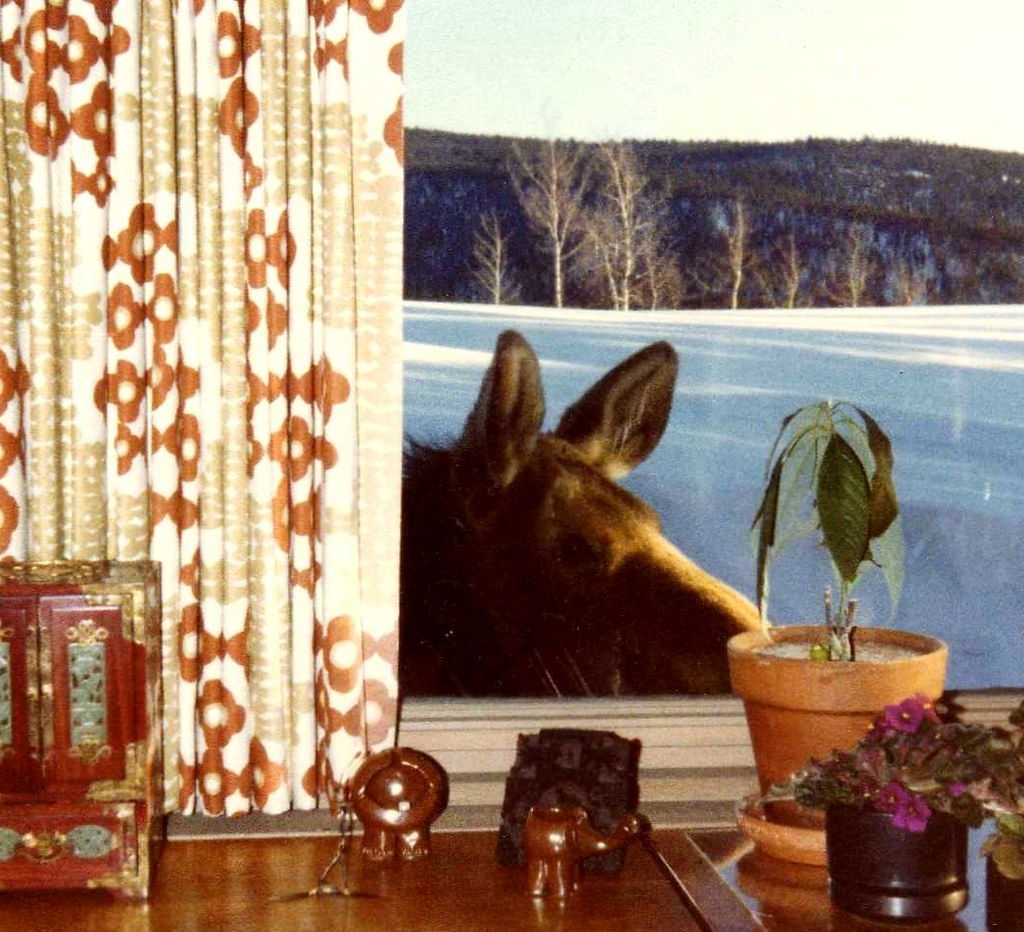
Moose in Wyoming
While housesitting, I had a visiting moose trying to stay warm.

Jackson Jenny Lake
Beautiful Jenny Lake Lodge at the base of the Grand Tetons. Too expensive for me but I had a chance to stay there when it was closed to visitors.

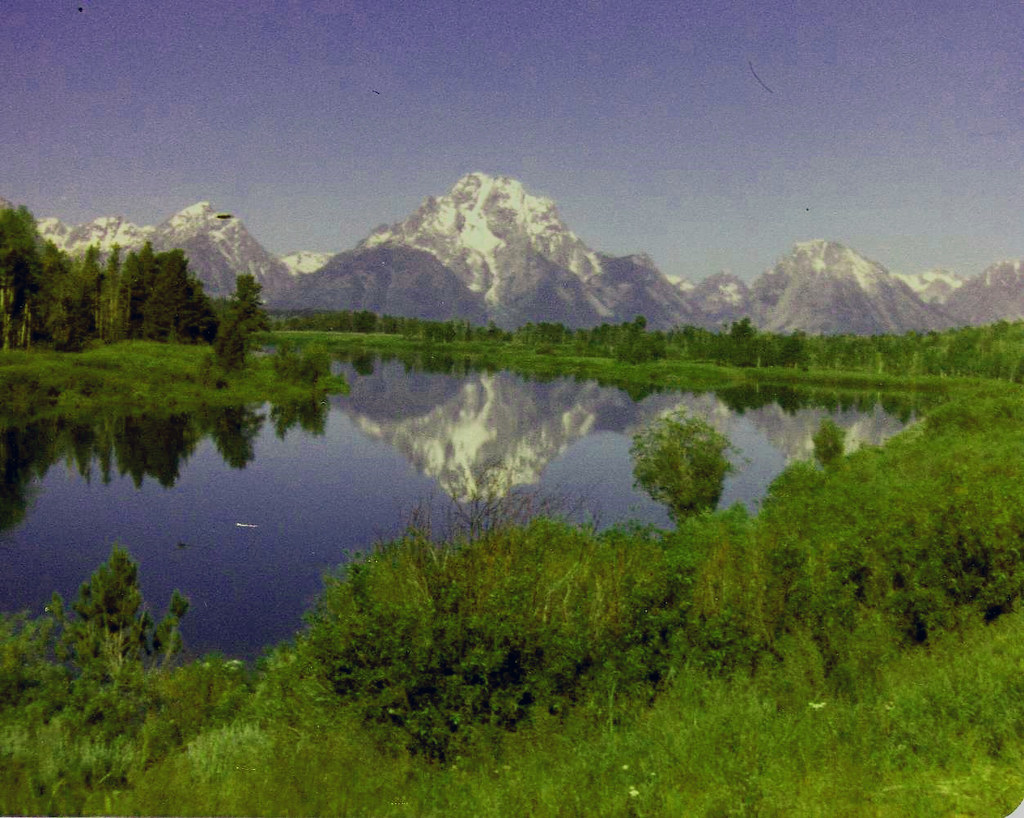
Jackson Mount Moran
Mount Moran in the summer

Jackson Mount Moran Winter
Mount Moran in the winter

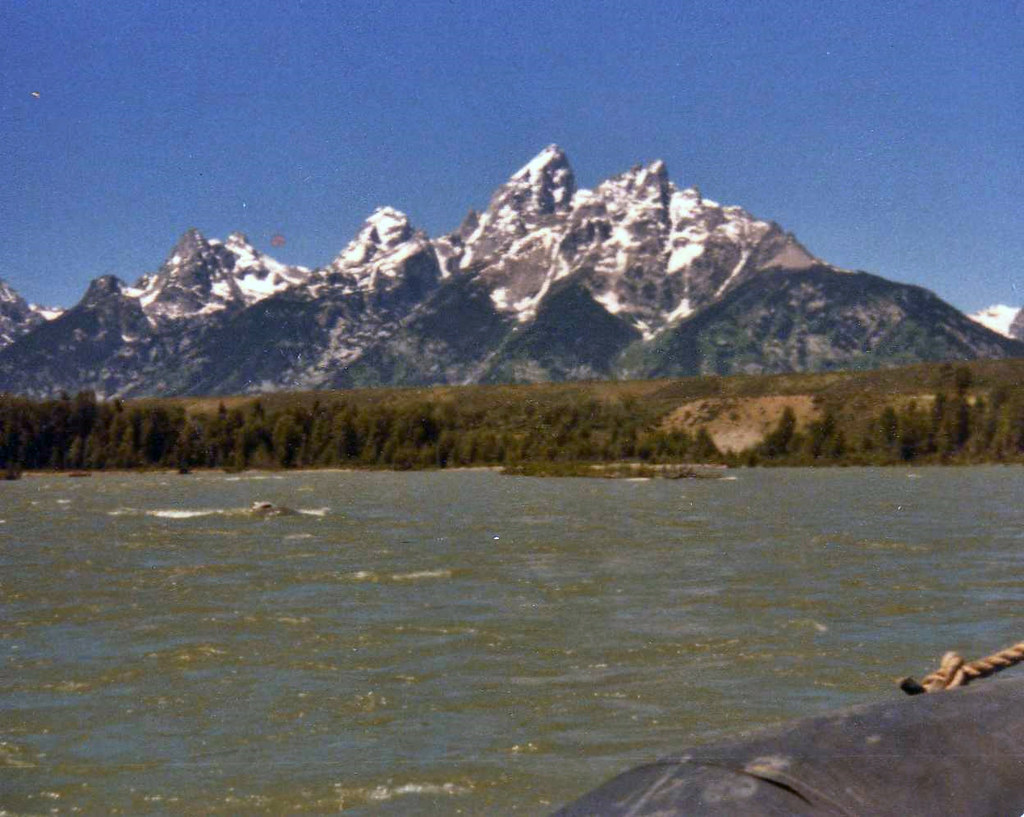
Snake River
Looking at the Grand Tetons from the Snake River float trip

Grand Tetons in the winter
Winter in the Grand Tetons

My exposure to life in the Rockies left a lasting impression on me: it made me a “powder snob” skier, a strong supporter of the National Parks and very respectful of all wildlife.

Read Full Post »

According to the National Weather Service, Boston set a new record this past week for the most snow in a seven-day period: 40.2 inches. The average annual snowfall is 47 inches. We managed to fly in and out between the two blizzards. Despite the snow and cold, we wandered walked briskly around Boston Common which is approximately 50 acres and is the oldest park in the United States.

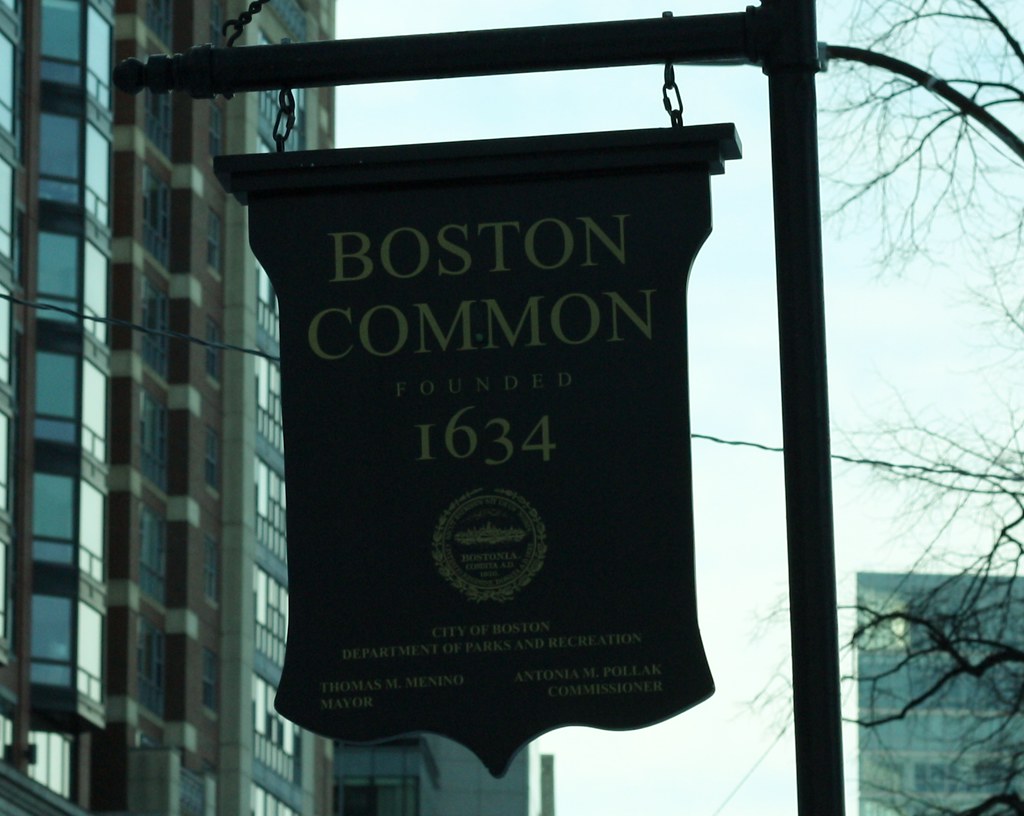
Boston Common Sign

Boston Common is the starting point of the Freedom Trail (a 2-mile walk with historic markers explaining the history of each stop). Due to the cold, we only managed the sites around the Common. The tour is self guided or arrangements can be made with a tour guide.

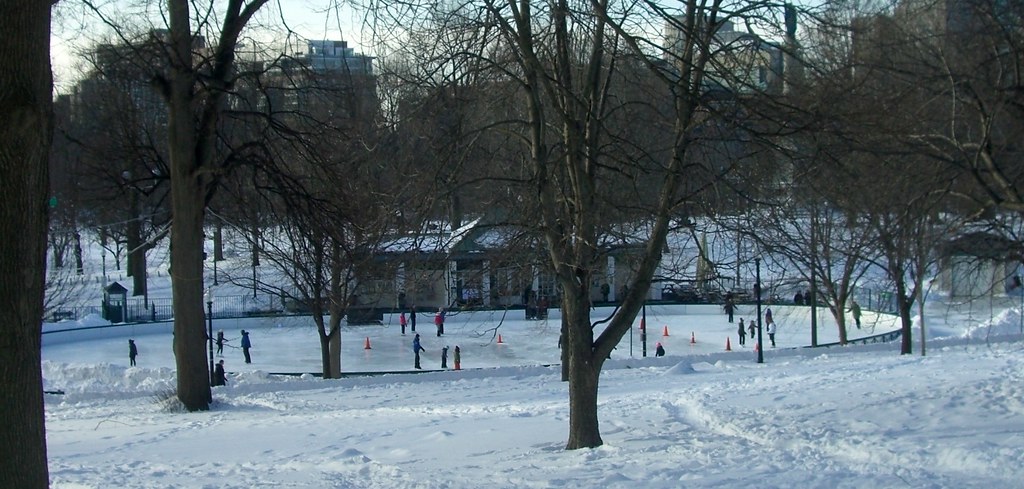
Boston Common Ice Skating
Ice Skating

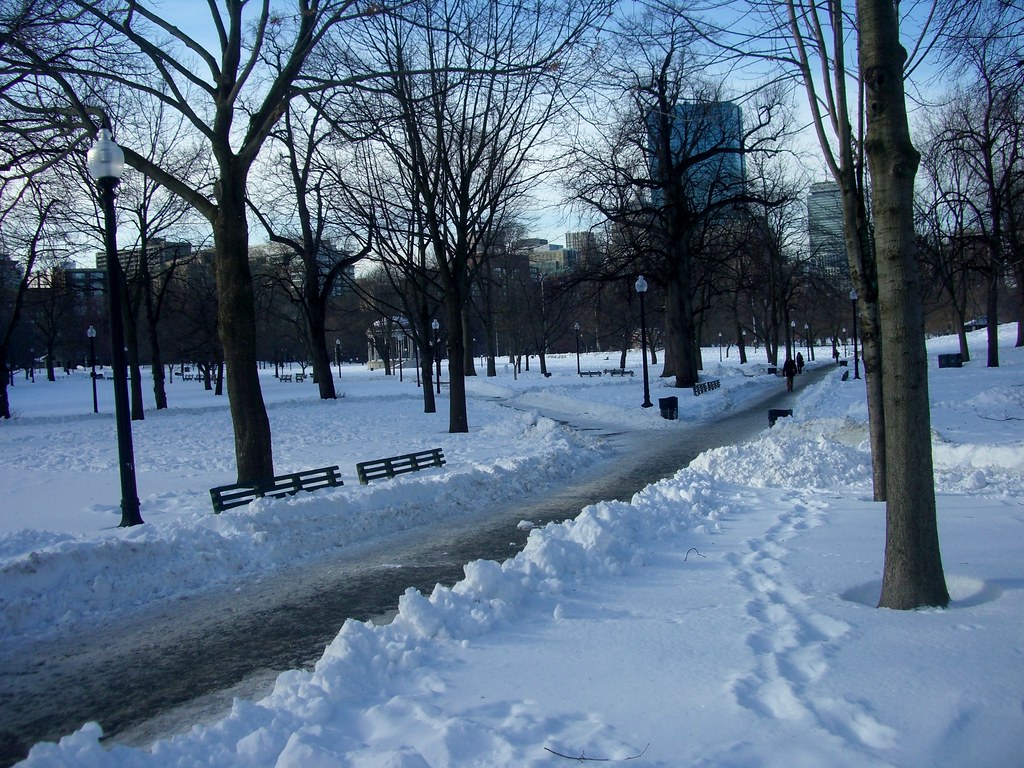
Boston Common snowy pathways
Boston Common Paths

In the winter, Boston Common is used for ice skating and letting your dog romp through the snow. I imagine in the summer it’s a lovely gathering place for lovers of the outdoors.

The Common has a rich history:

  • Until 1817, there were public hangings
  • British troops used the Common as a campsite prior to the Revolution and was the departure point when they left to confront the colonist at Lexington & Concord in April 1775.
  • Many activists have given speeches in the Common including Martin Luther King Jr.
  • Many of our Founding Fathers, Presidents, Vice Presidents and other historic figures have walked through this park. I kept imagining John Adams, Sam Adams, Paul Revere and John Hancock wandering around the area.

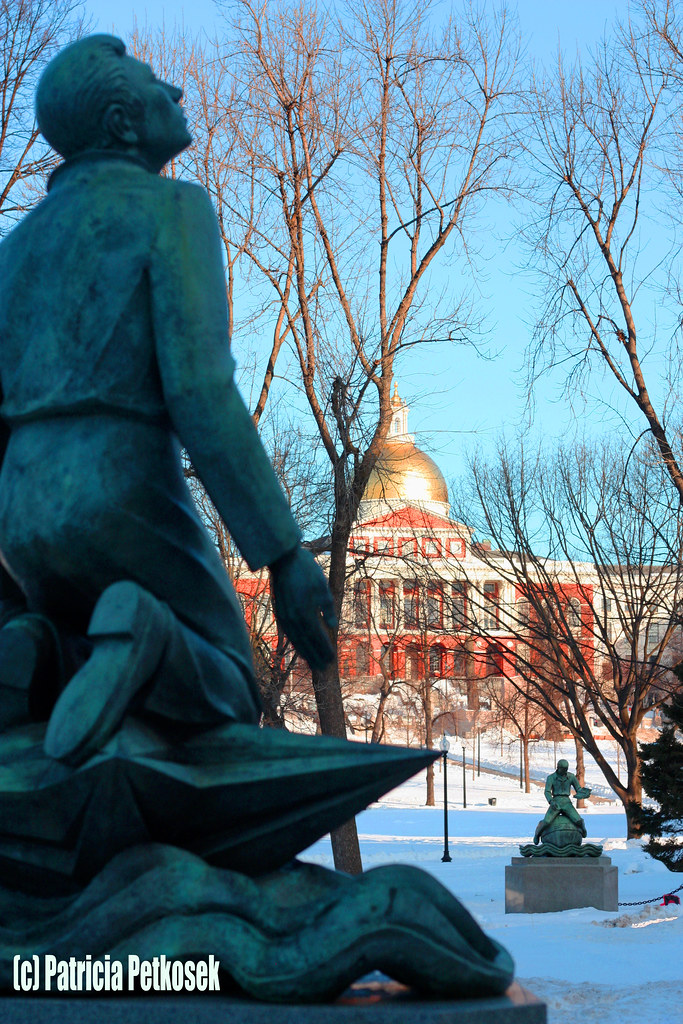
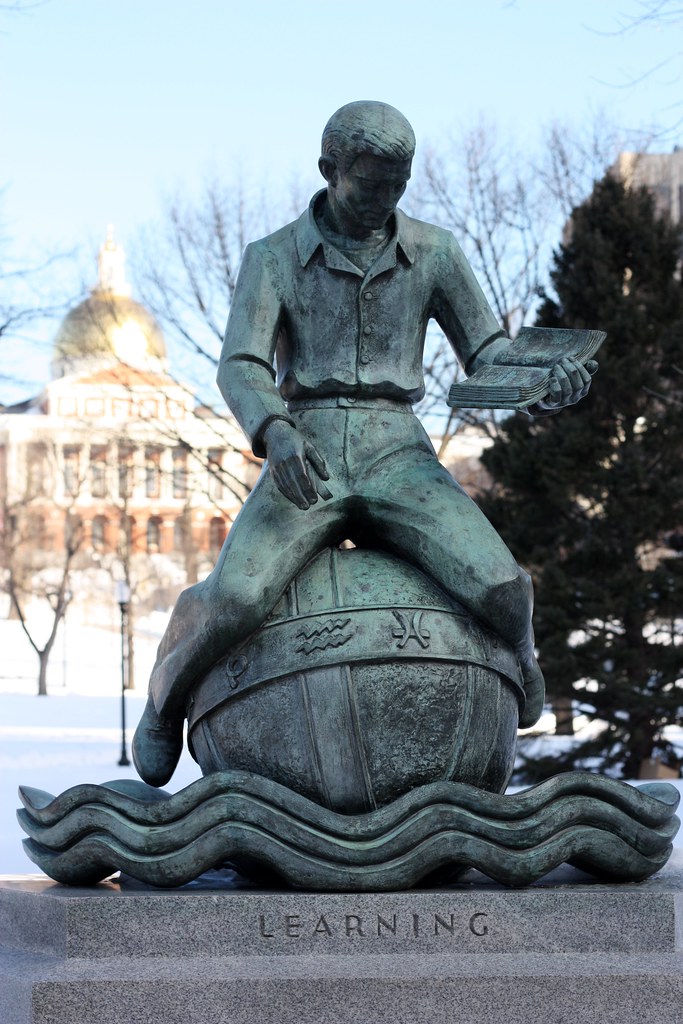
Boston Common Dome and Learning Statue
The Massachusetts State House was built on Beacon Hill which sits across from the park. The land was originally owned by John Hancock (first to sign the Declaration of Independence and the first elected governor of Massachusetts). The beautiful, bright dome is made of copper and 24k gold.

Boston Common
Another view of the State House

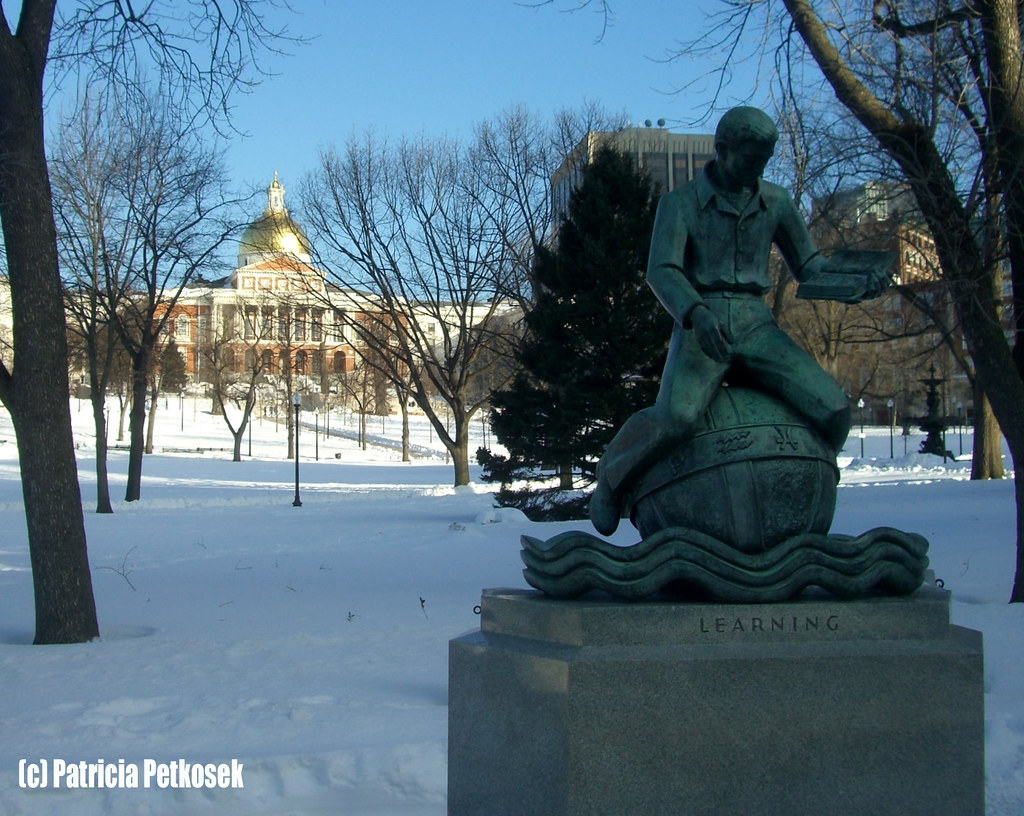
Boston Common with Dome and Learning statue
I can’t decide which angle I like best!

Boston Common Learning statue with dome in background
With so many colleges and universities in the Boston area, the Learning statue is very appropriate.

Once we left the park, we stopped along the Freedom Trail…

Read Full Post »

Given the chance, I can’t resist peeking into other people’s homes and I’m so glad we stopped to tour the Calhoun Mansion which is the largest private residence in Charleston, South Carolina. It’s located just a few steps from White Point Gardens on the riverfront at 14 Meeting Street.

George Walton Williams built the house in 1876 as a testament to the resurgence of Charleston after the Civil War. At 24,000 sq. ft. and $240,000, it took five years to complete and employed hundreds of out-of-work artisans and craftsmen in desperate need of work after the war. The house is named for John C. Calhoun’s grandson who married the owner’s daughter and lived in the house. After Mr. Williams’ death in 1903, the house had many occupants causing deteriorating circumstances to the house until 1972 when it was condemned.

A native of Charleston purchased the house in the late 1970s for $220, 000. He invested five million dollars over the next 25 years in restoring the Mansion to its former glory. The current owners live in the house and allow tours from 11 -5 daily. If the owners are physically present in the house when a tour takes place, you may not be able to see their office/bedroom but we were allowed to look into all of these rooms.

The mansion is a feast for the eyes with a 65 foot entrance hall, 14 foot ceilings, gorgeous Tiffany chandeliers, and my personal favorite, the music room with a 45 foot glass skylight. It’s NOT a museum and my first thought was “Millionaire Hoarders” but after seeing a couple of the rooms I came to appreciate the clutter expensive collection. There’s no rhyme or reason, that I could discern, as to how the collection is presented. The rooms are roped off so you have to lean in.  Not sure if I would have enjoyed the tour as much with 17 other people (the max on a tour is 20). Also, the tour guide will point out highlights in each room but it helps a lot if you already know about artwork ~ think Matisse, Cezanne, Kandinski and Klimt. We arrived for the 11 am tour the day after Christmas and it was just the 3 of us. The tour we took cost $16.00 per person for an approximately half hour tour. There is another tour for $75 per person which is an hour and a half. It includes the cupola. More information here.

Photos are not allowed on the inside of the mansion but the beautiful garden is fair game:

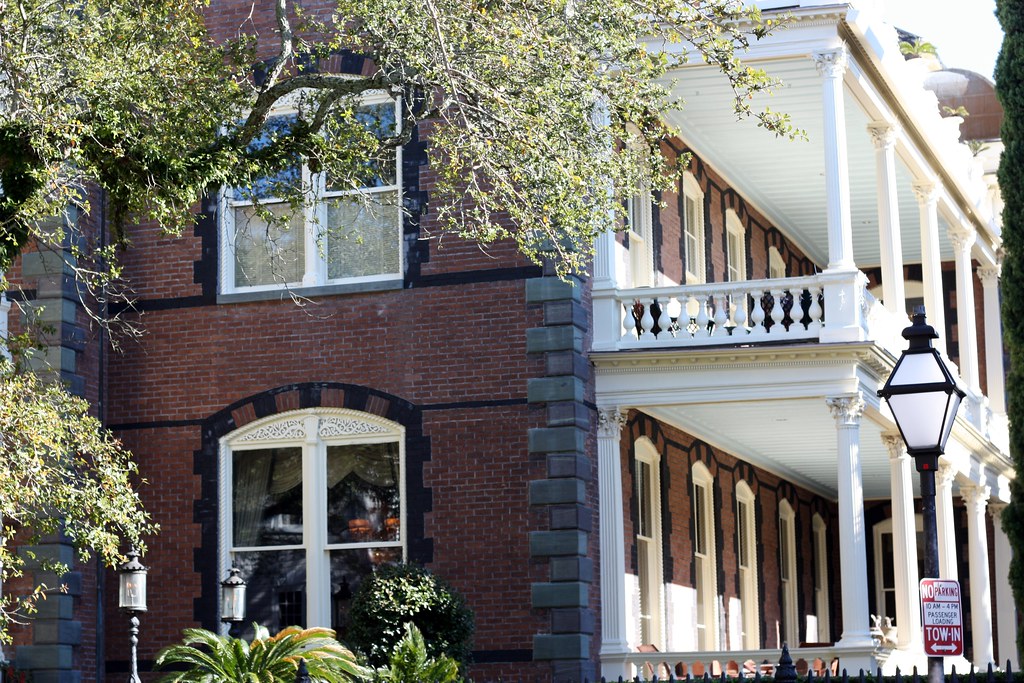
Calhoun Mansion
Calhoun Mansion

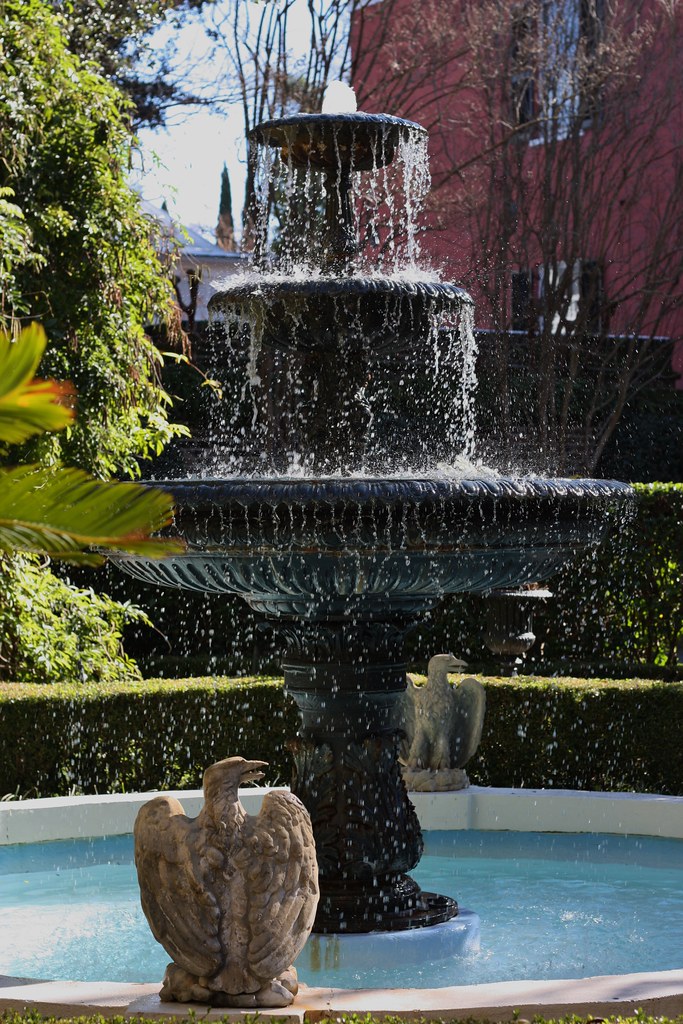
Calhoun Mansion Water Fountain II
Calhoun Mansion Garden Fountain

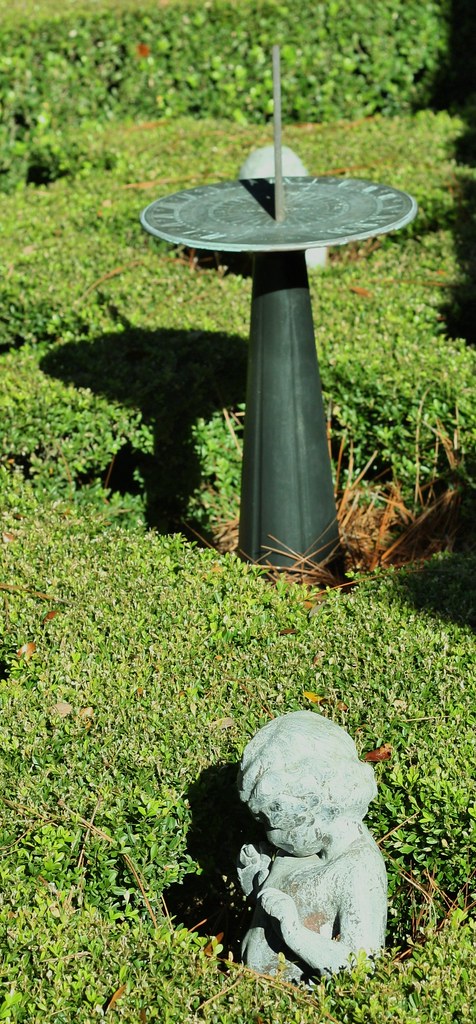
Calhoun Mansion Sun dial
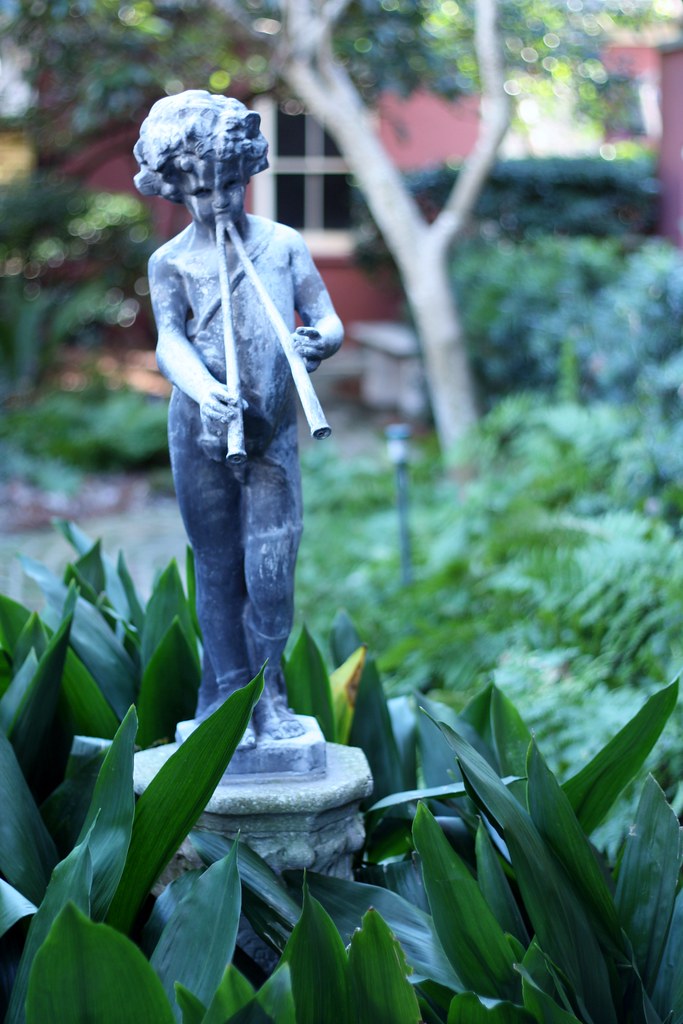
Cherub in the garden

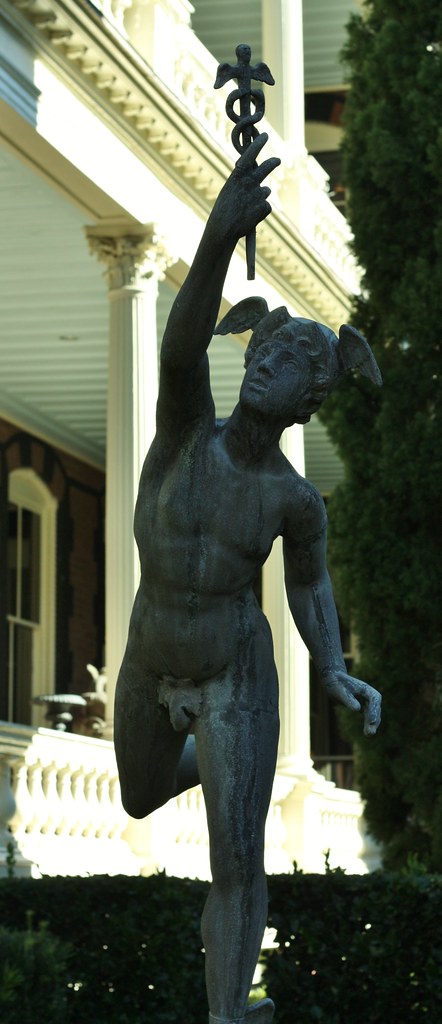
Calhoun Mansion Statue of Mercury (Hermes)
Statue of Mercury (Hermes)

Calhoun Mansion Garden Statue
Garden Statue

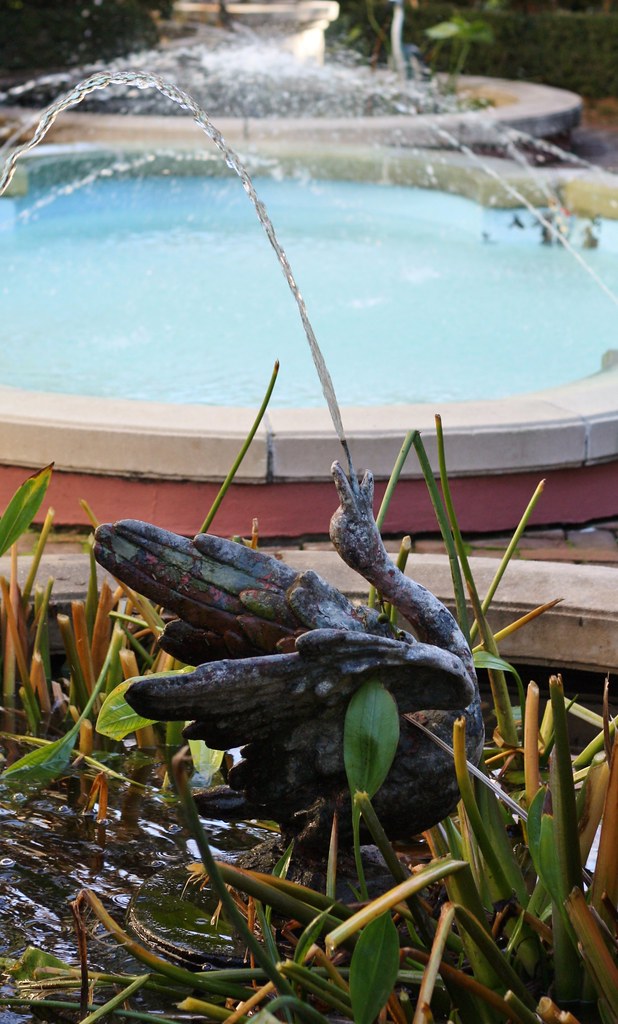
Calhoun Mansion Duck Statue

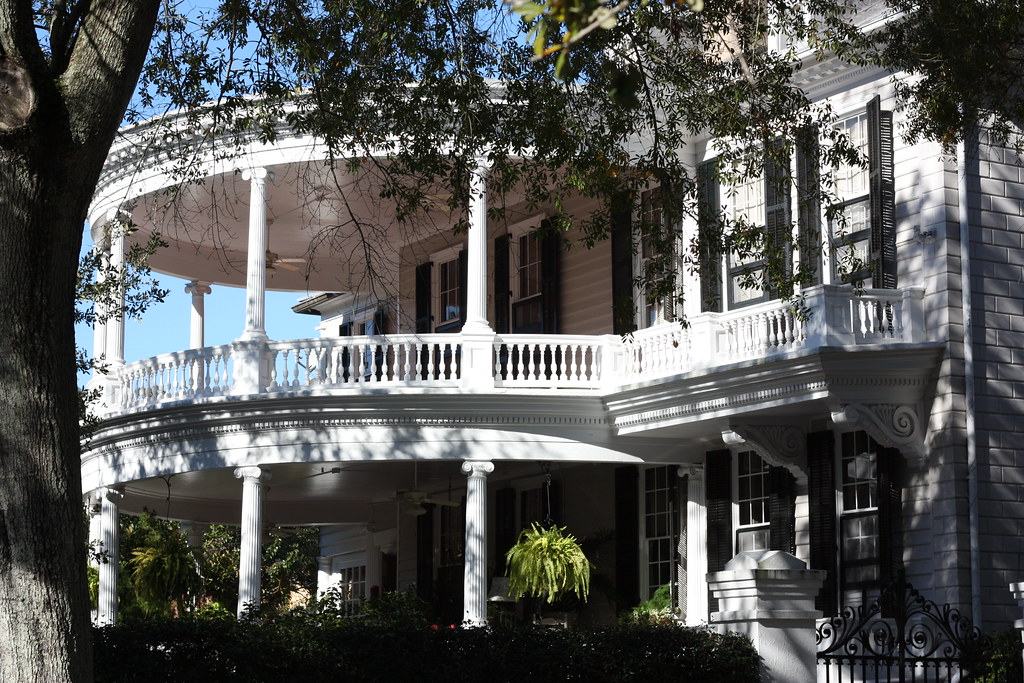
Charleston House Across from the Calhoun Mansion
Beautiful House across the street from the Calhoun Mansion

Charleston Bench
A great spot to sit and rest at the Calhoun Mansion

Read Full Post »

There are over 450 licensed walking tour guides in Charleston and we chose to take two tours: a ghost tour and a historic tour. Usually Tripadvisor leads me in the right direction but, despite many rave reviews, the ghost tour with Tricia from the Ghostwalk was a disappointment for me.

Personally, I tuned out after she spoke about General Robert E. Lee haunting the Mills House Hotel (supposedly he’s been spotted running down the hallway). From what I’ve read about Lee, he was in Charleston for a short period in 1861. I’m guessing he would be haunting Gettysburg or Appomattox not the Mills House Hotel. Her story speculated the ghost of General Lee has also been seen on the balcony waiting for the CSS Hunley (submarine) to return. The dates don’t match up though ~ the Hunley sank after sinking the USS Housatonic in October 1863. To be fair, General Lee did watch the fire of 1861 engulf the city (start of the fire is unknown) from the balcony of the Mills House. Unfortunately, that wasn’t the story we were told.

Tricia seems like a very nice person but her tour was a mix of disjointed storytelling and lack of historic perspective. Mostly she showed photos with “orbs” that she considered to be ghosts. If you’re looking for a tour which is actually looking for ghosts, dwells on flickering lights and possible misty photos then she’s the tour guide for you.
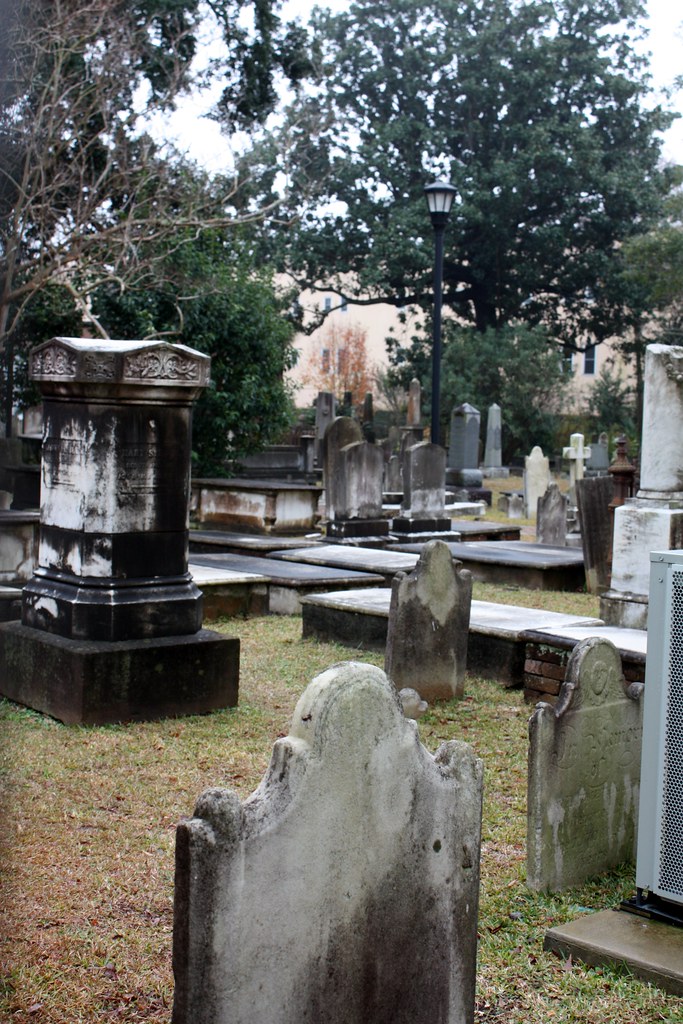
Charleston St John's Lutheran Church Graveyard
Lutheran Church Graveyard

Charleston along the ghost Tour part of the magazine
The Powder Magazine ~ the house next to it is considered haunted (by a benevolent ghost)

Having taken Ghost Tours in many cities such as Quebec City, Alexandria (VA), London, Edinburgh and the Queen Mary (Long Beach, CA), which were all excellent, I was expecting more Charleston history included in the haunting tales.

The History of Charleston tour with Anne Middleton Herron was much more informative and interesting. Anne is a 13th generation Charlestonian and her family dates to the original settlers of 1670. Both her parents grew up on Church Street and Anne grew up in Charleston. She shared not only her extensive historical knowledge of the city but also her personal experience of roaming the city as a child. Her personal anecdotes and perspective added so much to the tour. She’s smart, easy-going, and kept us all interested throughout the two hours. It rained quite hard for the first hour but we were all so enthralled, we barely noticed. The tour ended at her parent’s home on Church street and we were treated to lemonade in the garden. Click here for more information and to make a reservation.  A few photos from the walking tour:
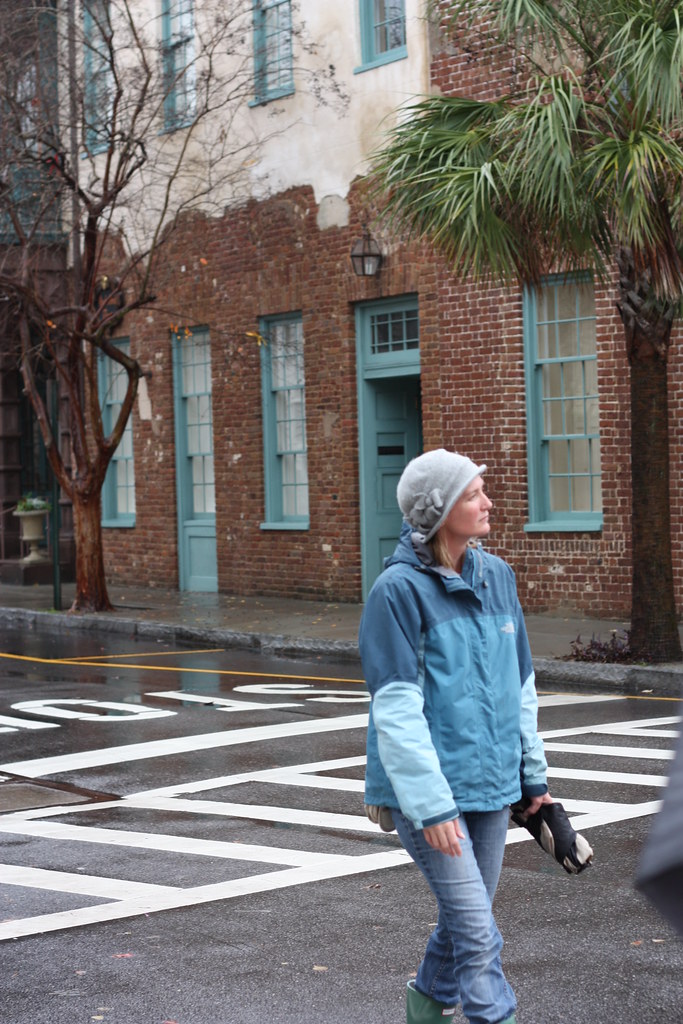
Anne Charleston Tour Guide
Anne ~ great tour guide and love her hat, too
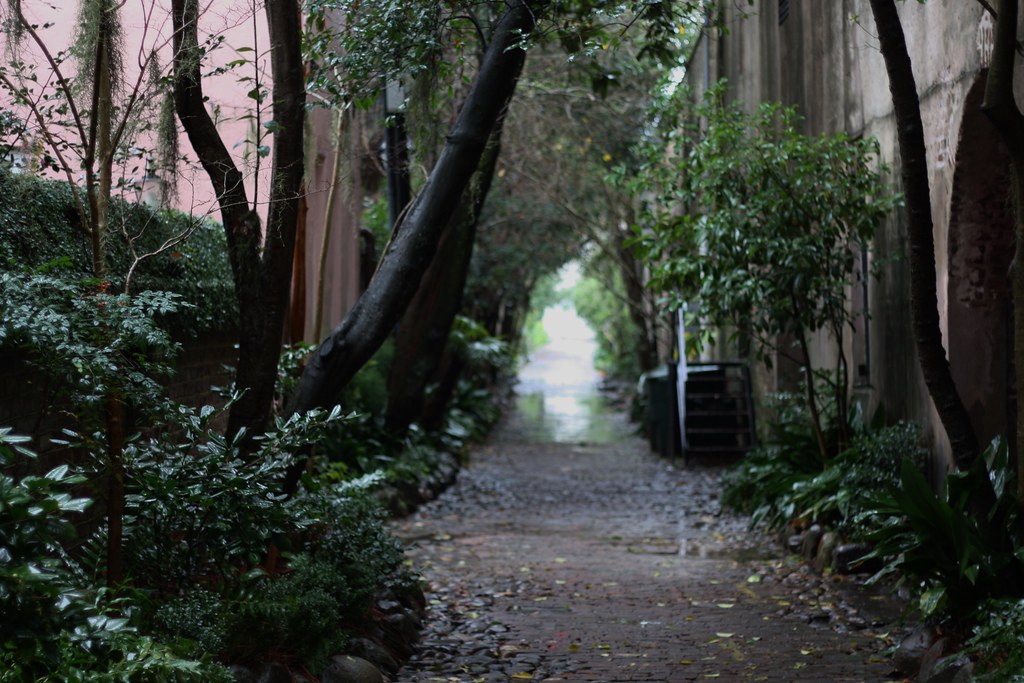
Charleston Philadelphia Alley
Philadelphia Alley

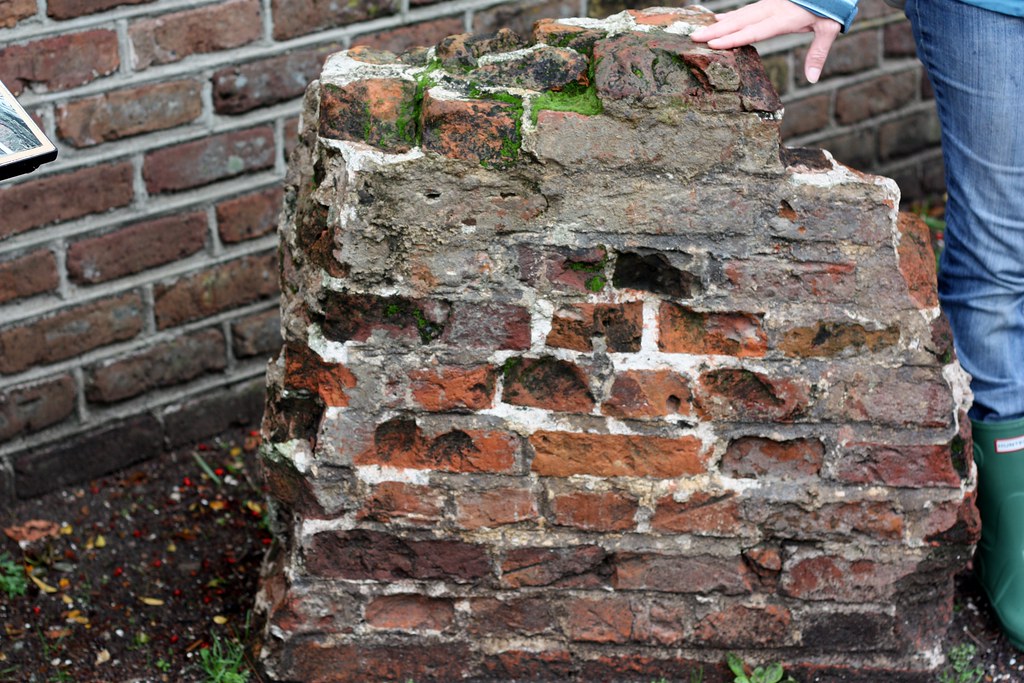
Charleston part of Old wall
Charleston was one of three walled cities in the New World and this is a part of the original wall recently excavated.
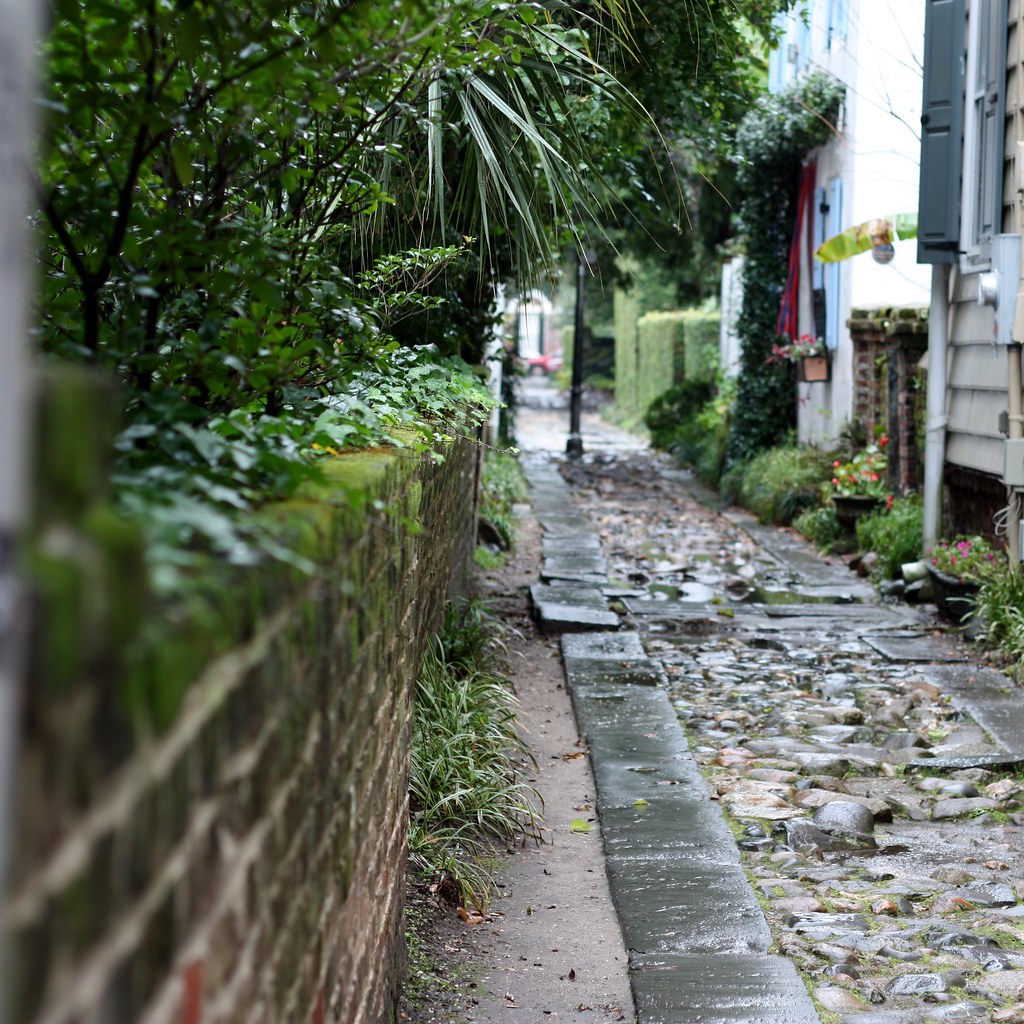
Charleston Longitude Alley
Longitude Alley which is not on a longitude line
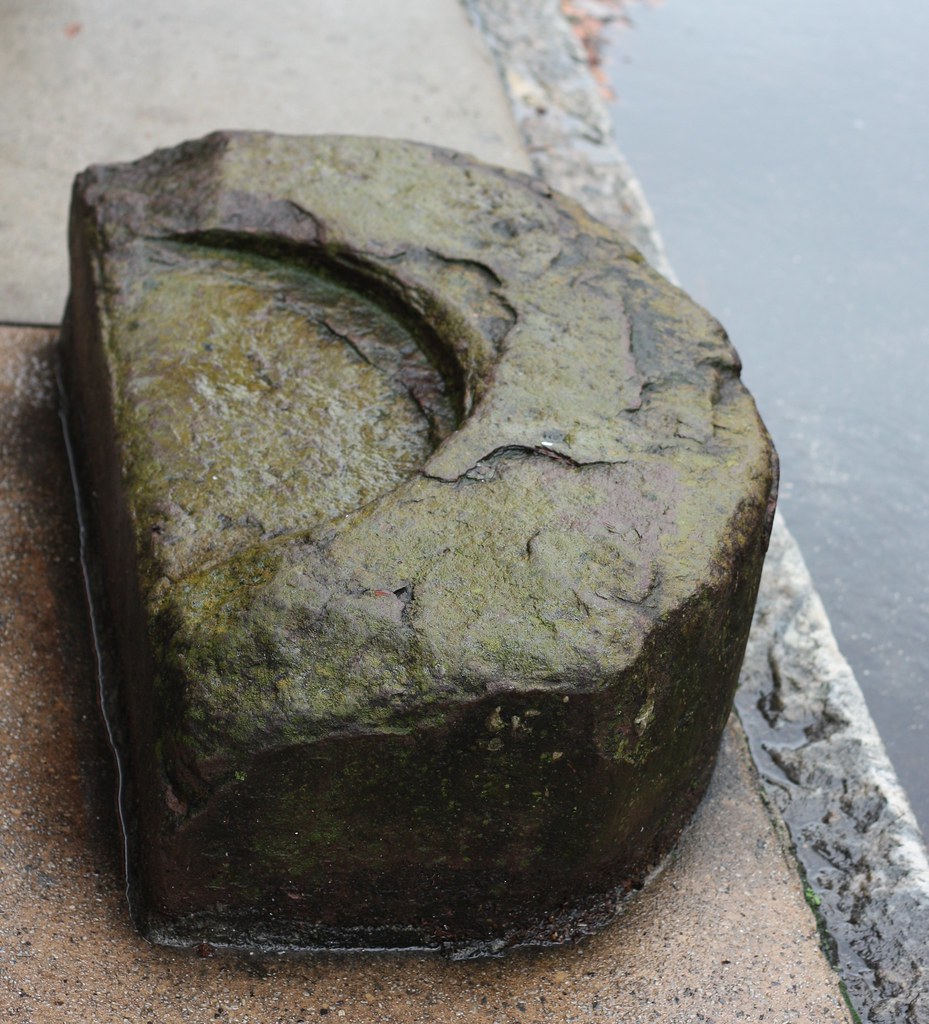
Charleston Carriage step II
These “carriage steps” are found throughout the historic part of Charleston
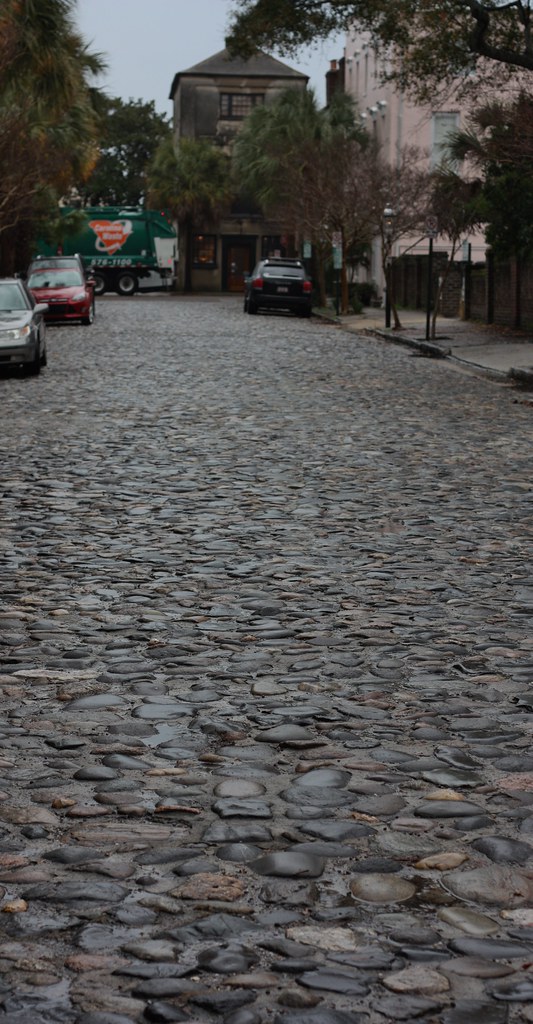
Charleston Cabblestone street V
One of the cobblestone roads

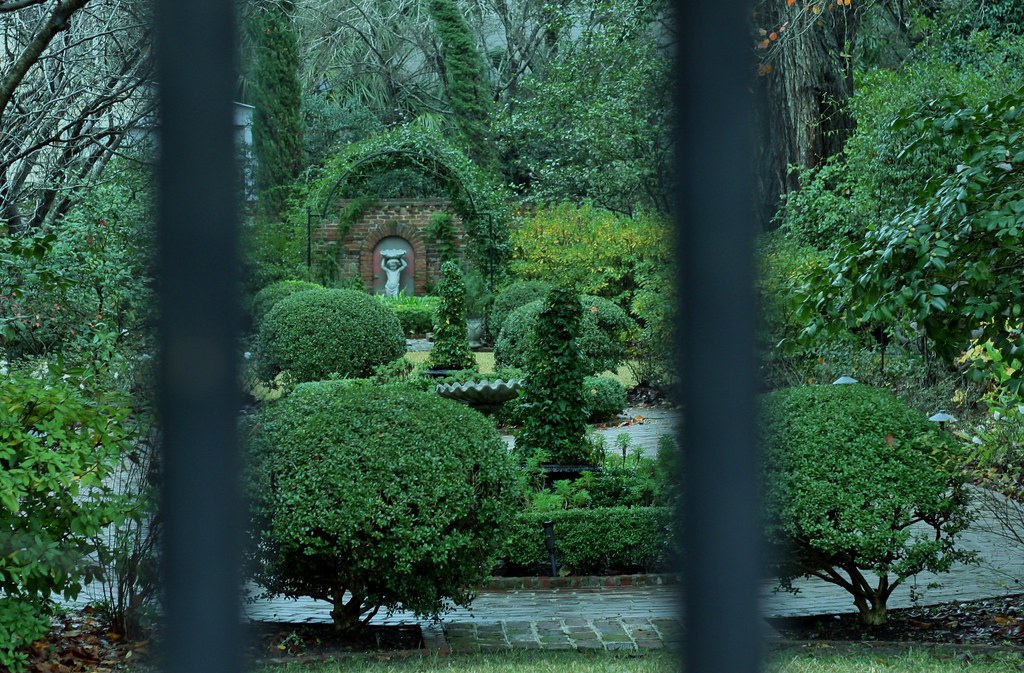
Charleston a peek into a garden
Peeking into one of the many beautiful Charleston private gardens
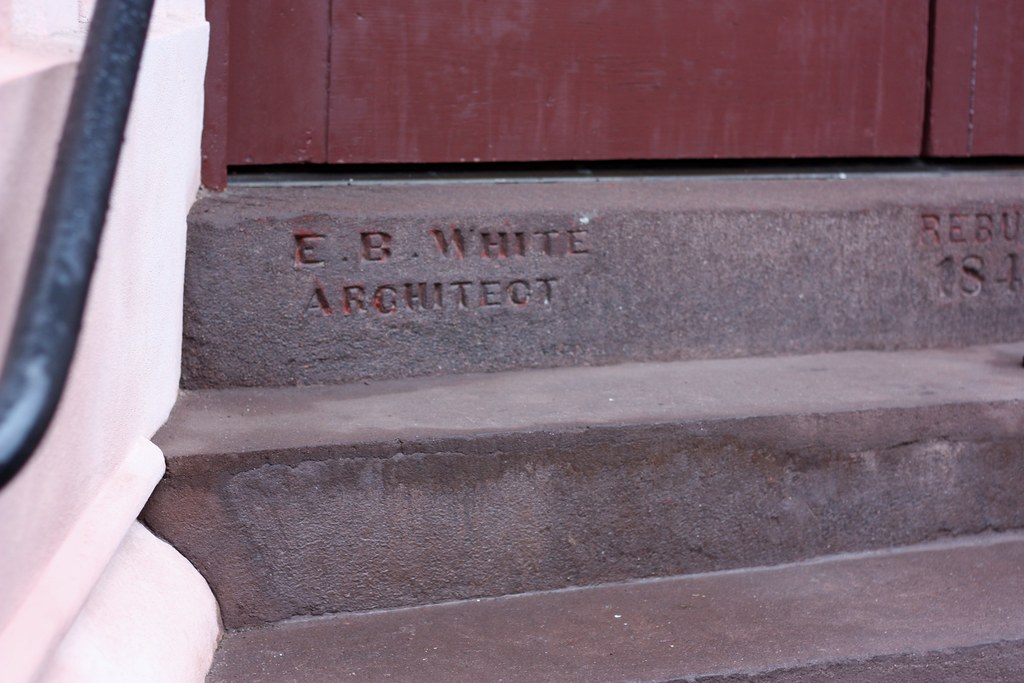
Charleston Hugenot Church architect
Steps of the French Huguenot Church ~ E.B. White was the architect for the church as well as other buildings in Charleston
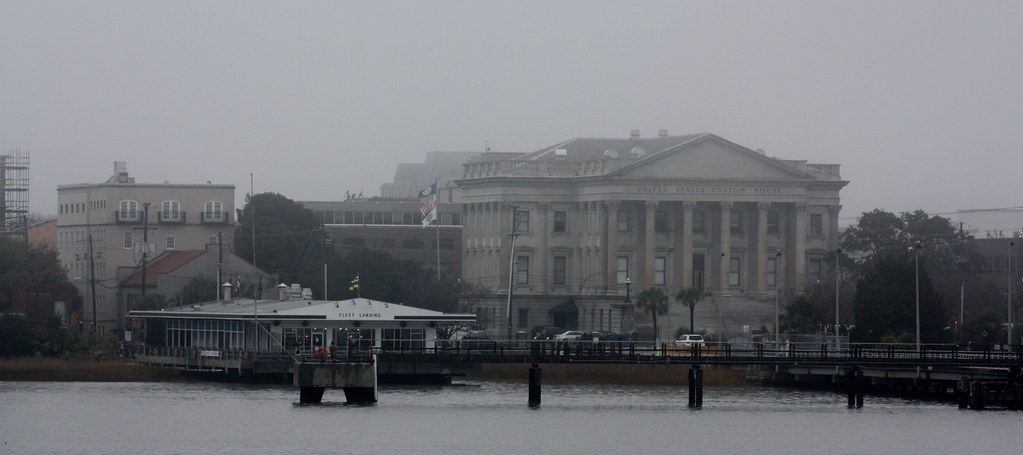
Charleston Custom House
The tour met at the US Custom House

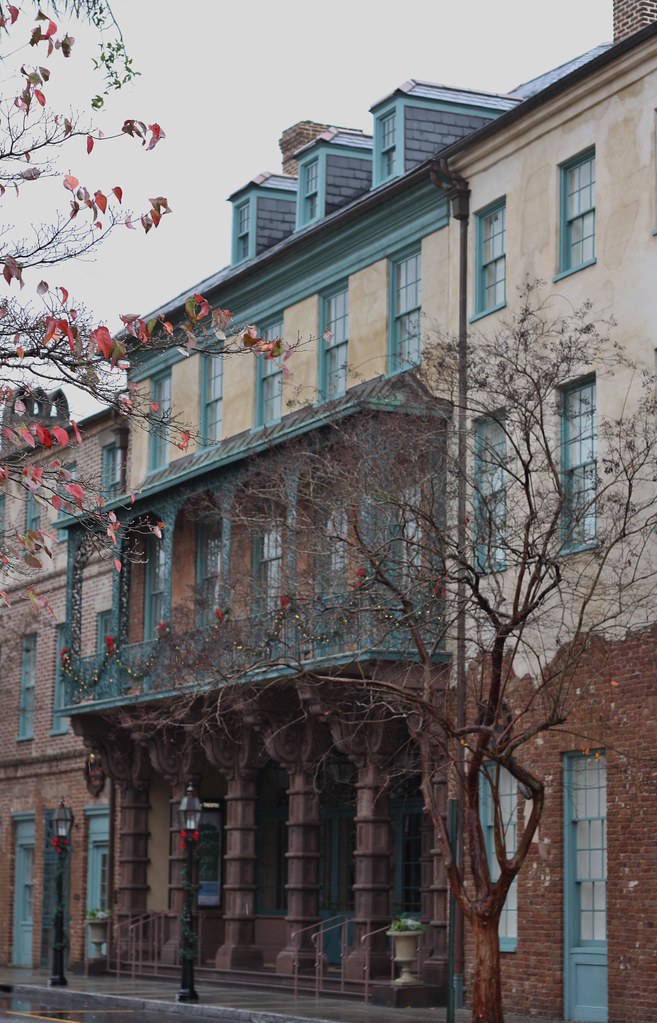
Dock Street Theater
Dock Street Theater ~ originally opened in 1736 but was most likely destroyed in the Great Fire of 1740. A hotel was built on its site but fell in disrepair. In the depression, it became a Works Progress Administration (WPA) project and a new theater was built within the shell of the Planter’s Hotel. The theater underwent a three-year, 19 million dollar renovation in 2007 and reopened in 2010. Next time I visit Charlesotn, I plan to see a production in the theater.
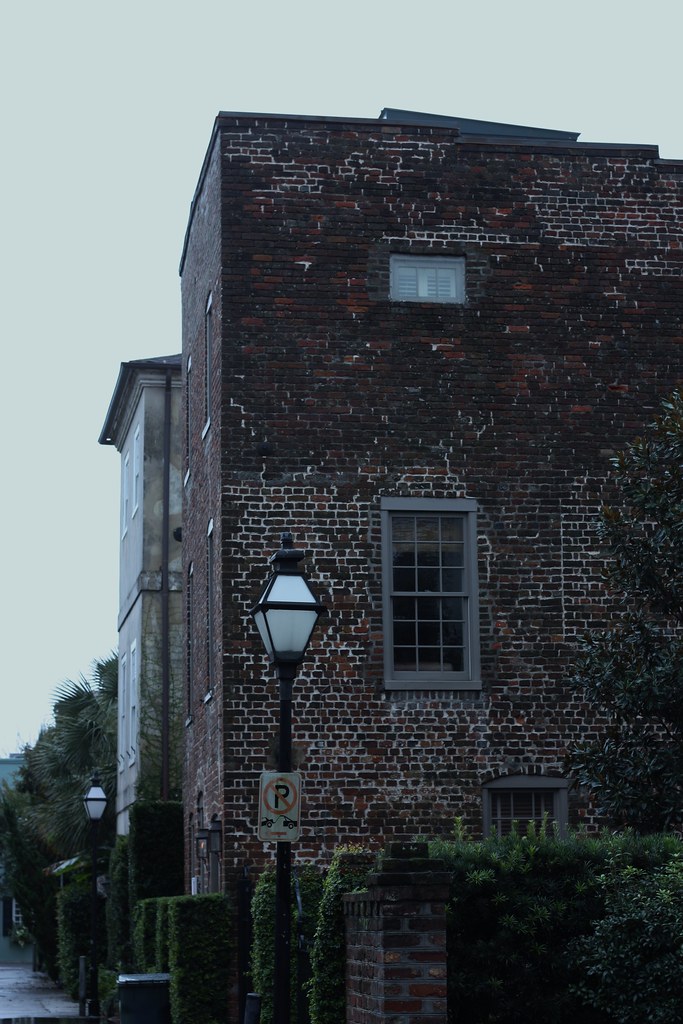
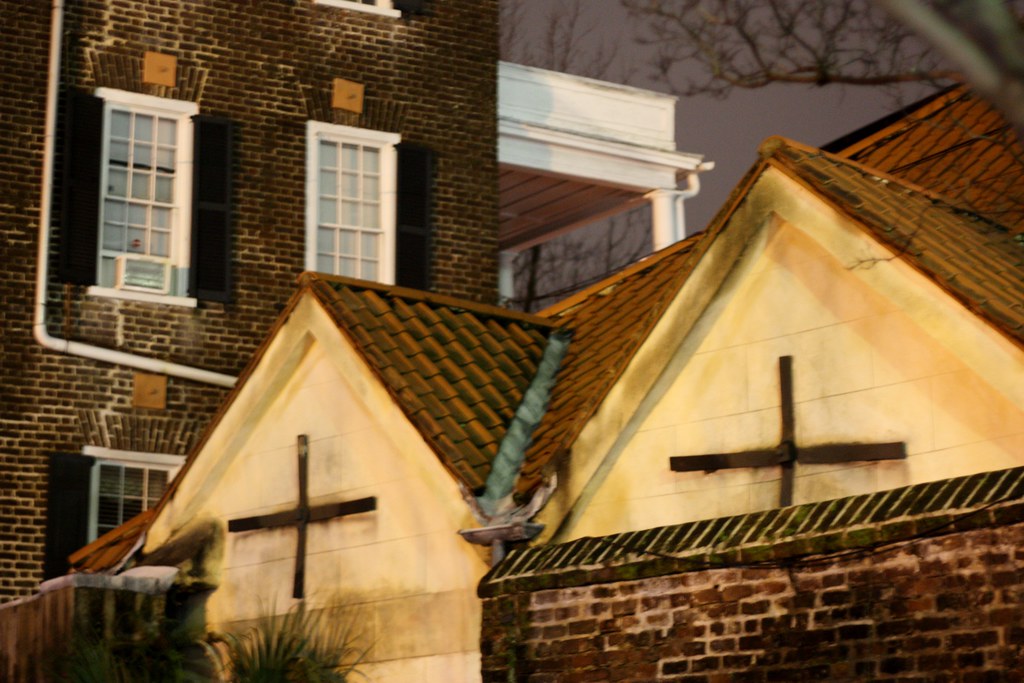
Charleston pre revolutionary brick home

Prerevolutionary Brick House

If you take only one walking tour in Charleston, I highly recommend Anne.

Read Full Post »
Ohio City is one of the oldest neighborhoods in Cleveland, Ohio. It’s located immediately west of the Cuyahoga River and has eclectic shops & restaurants including the fabulous West Side Market.

West Side Mural
Beautiful Mural

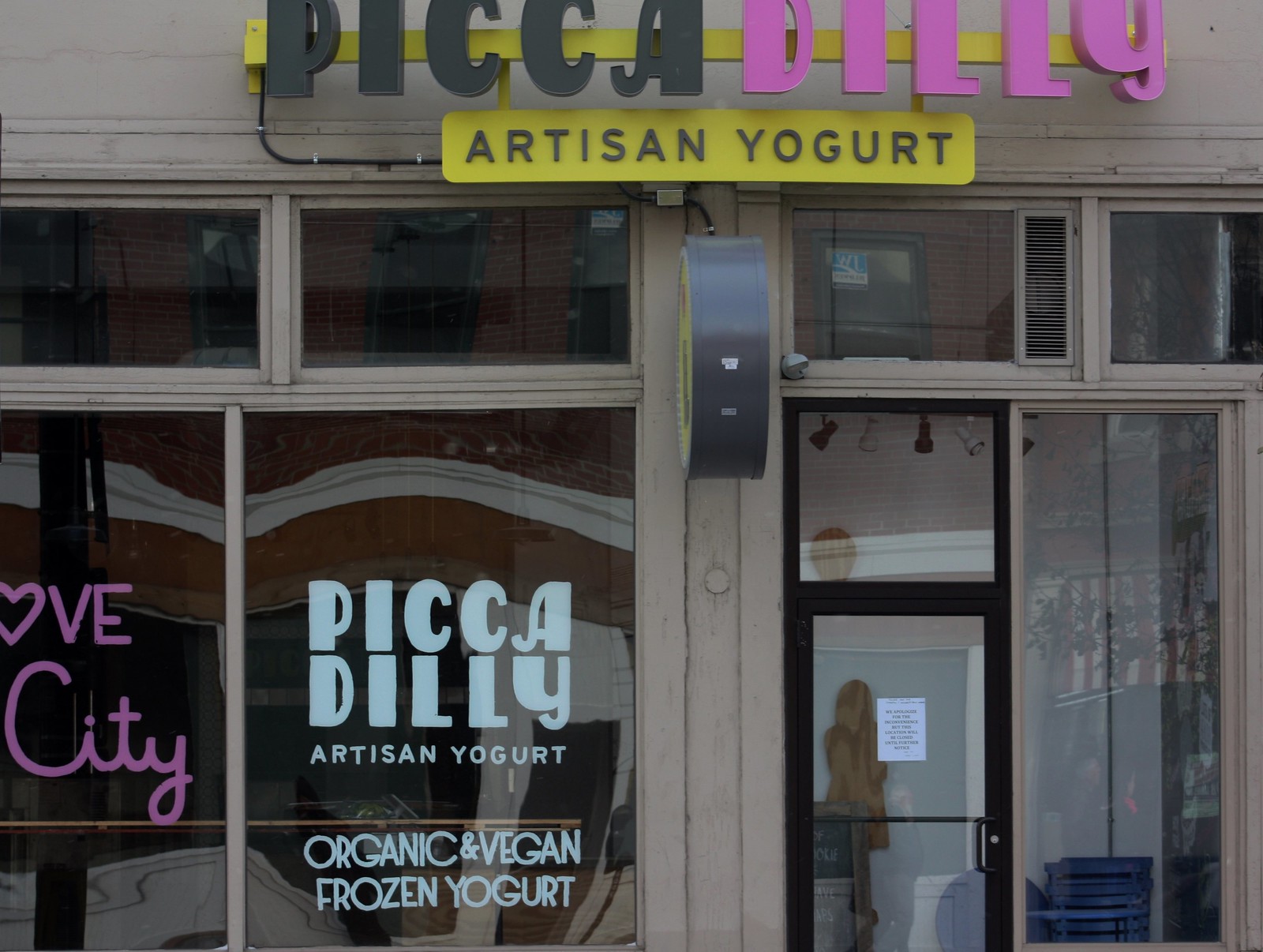
Yogurt shop on the West Side
Vegan Yogurt Shop

Cigar Sign
Cigar Store

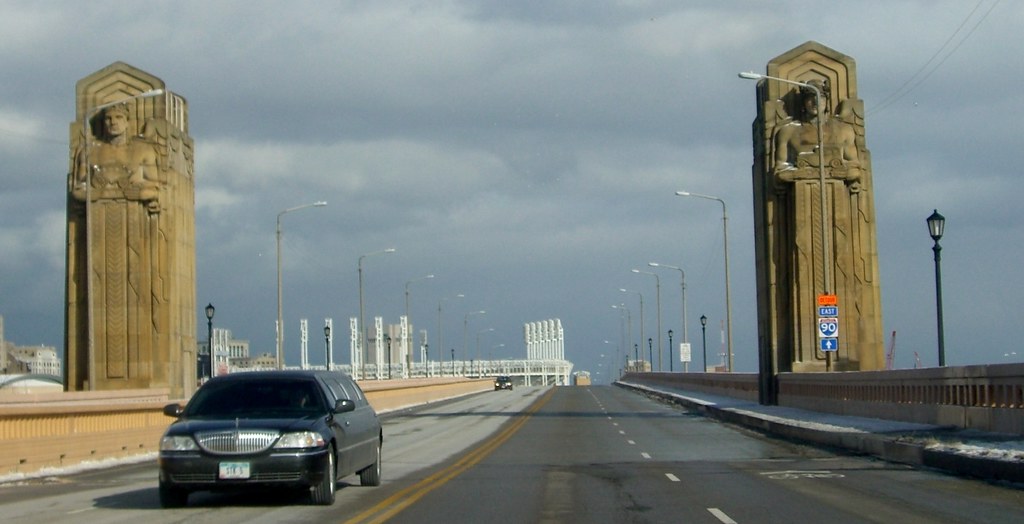
Cleveland Bridge
Bridge to the West Side

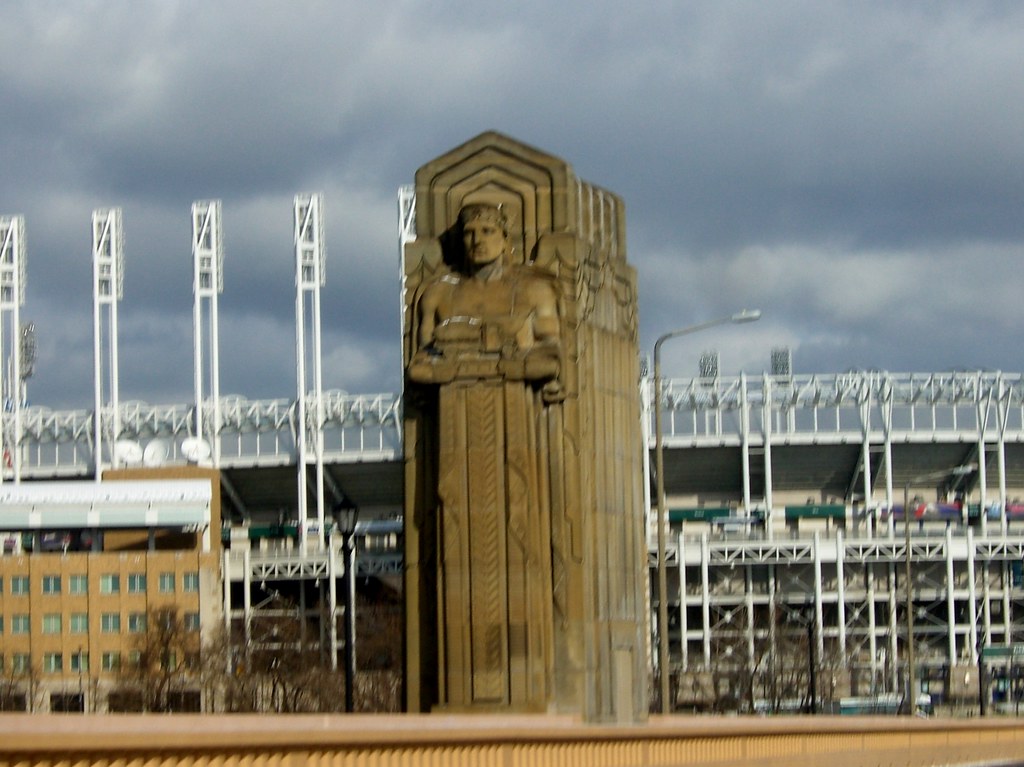
Statue on the Cleveland Bridge
Statue as you cross the bridge heading back into downtown Cleveland

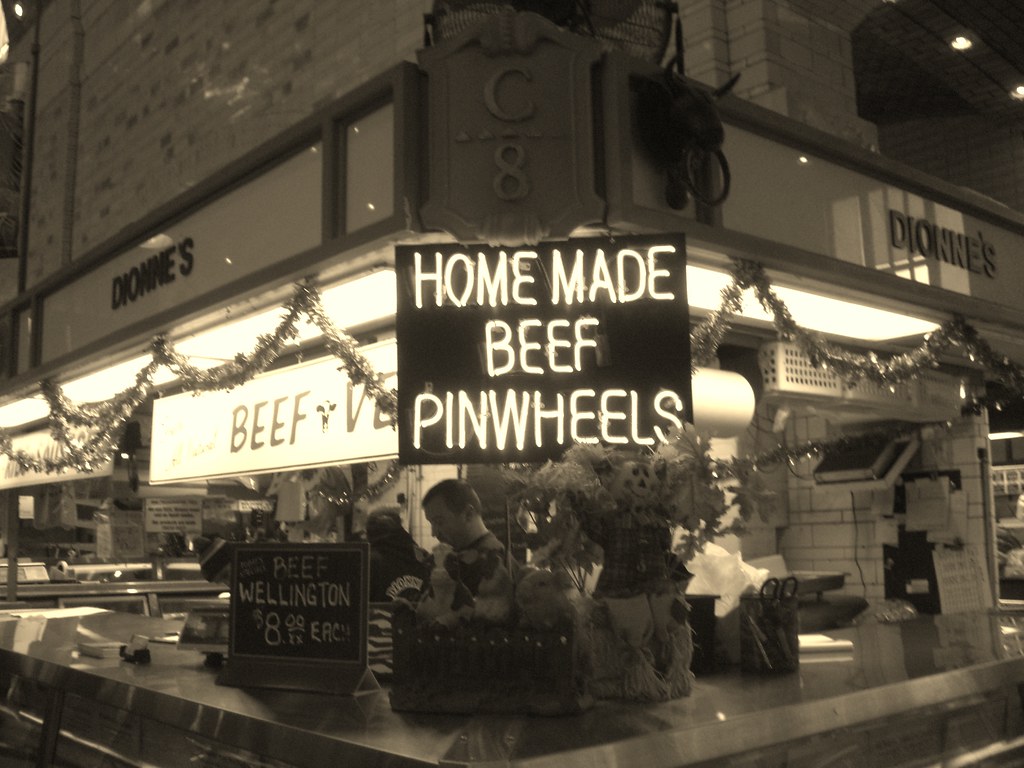
West Side Market is Cleveland’s oldest publicly-owned market has over a 100 vendors offering meats (lots and lots of meats), seafood, fruits, vegetables, tasty baked goods, dairy, beautiful flowers, ready-to-eat foods, spices, local honey, Ohio maple syrup and nuts.

West Side Market Sign

West End Market Slovenian Saugage
Slovenian sausage

West Side Market Beef
More beef…

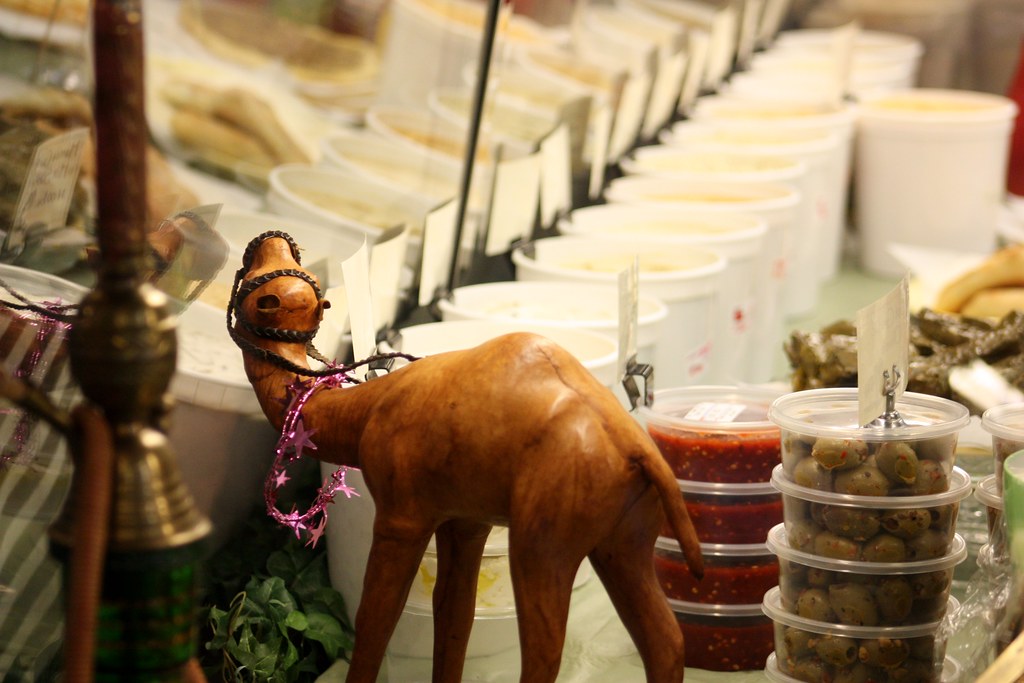
West side market olives
Olives and all other Middle East delights

West Side Market Oranges
Bright and Delicious Oranges

West Side Market Pommegranets
Pomegranates ~ we got 11 for $10

West Side Market V
West Side Market

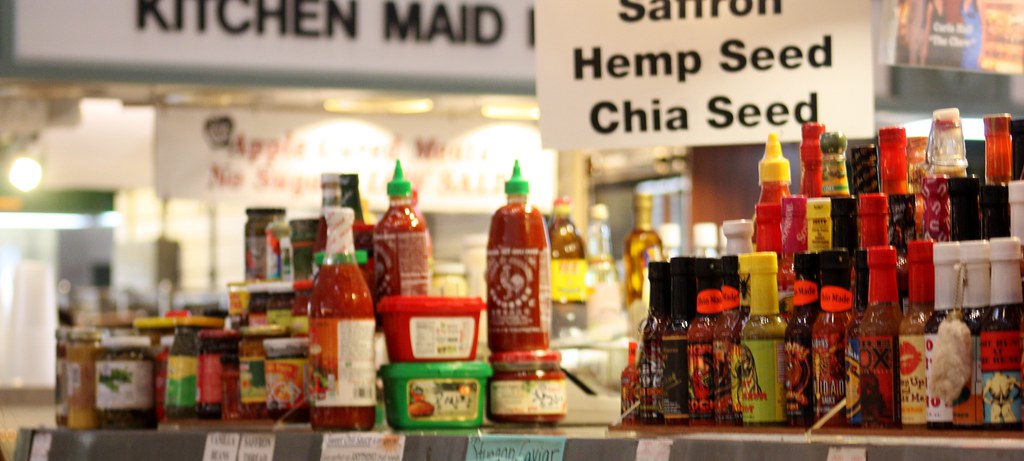
Westside Market 2014
Spices and Spiciness

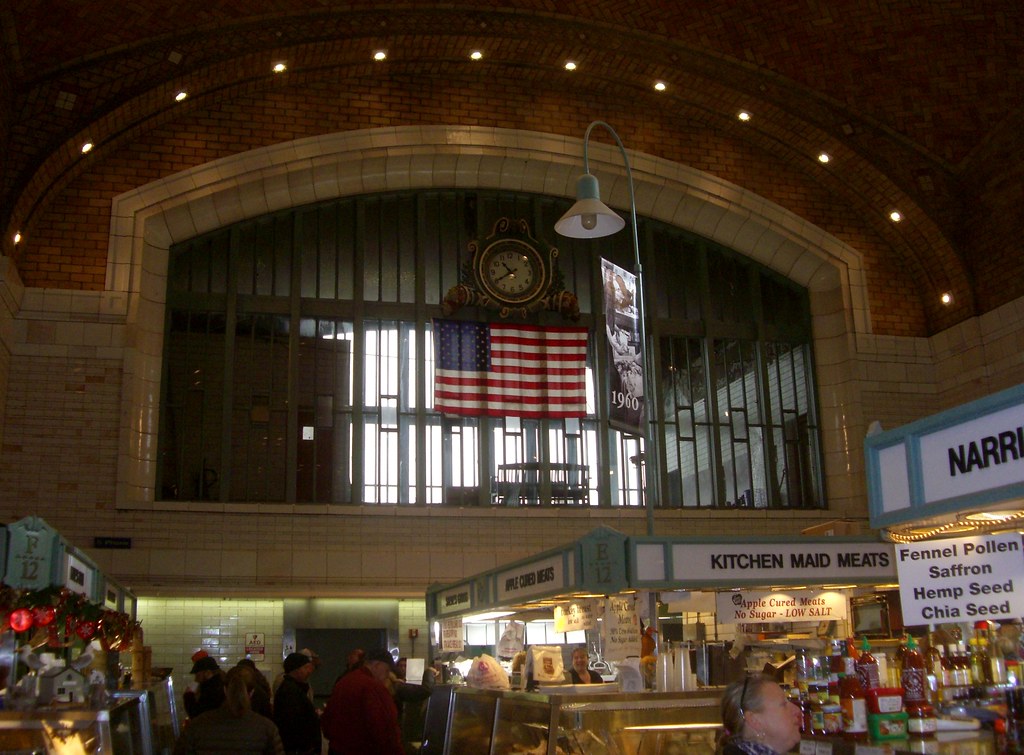
Westside Market American Flag
Flag at West Side Market

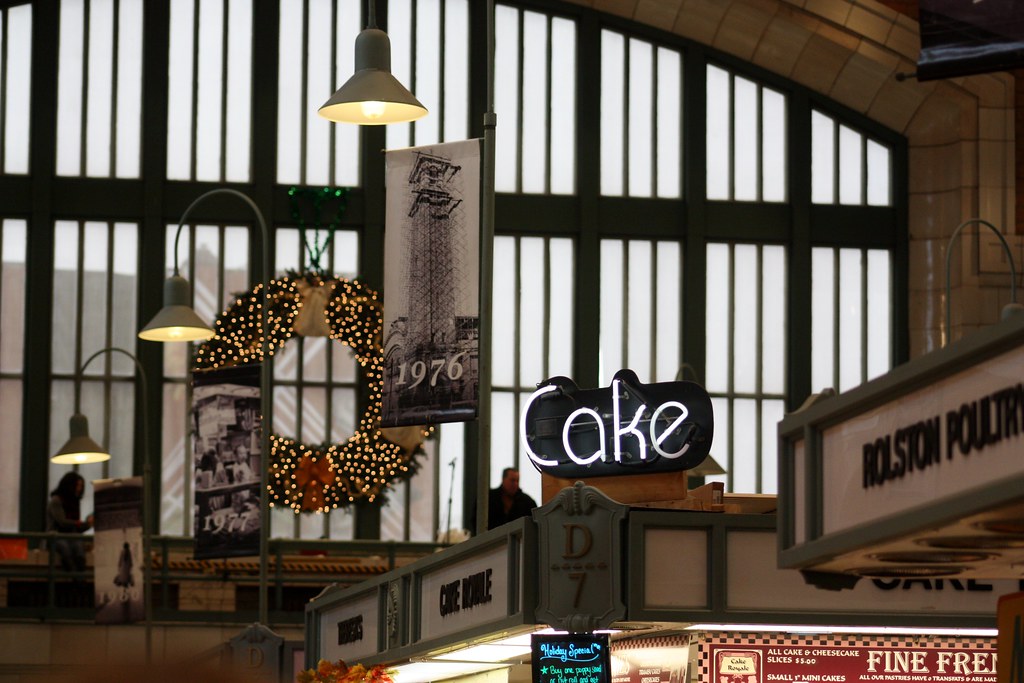
Westside market est 1976
Don’t forget to pick up some CAKE

Westside Market signs 2014
Ice Cream and more

Westside market clock 2014
The 137 foot clock tower has been a Cleveland landmark since 1912.

The Market is open year-round on Mondays & Wednesdays from 7-4:00pm and Fridays & Saturdays from 7-6:00pm. The Market is closed on Tuesdays, Thursdays and Sundays. Located at 1979 West 25th Street (Cleveland), the market is easy to get to either by public transportation or by car (parking is free). Click here for directions.

Read Full Post »
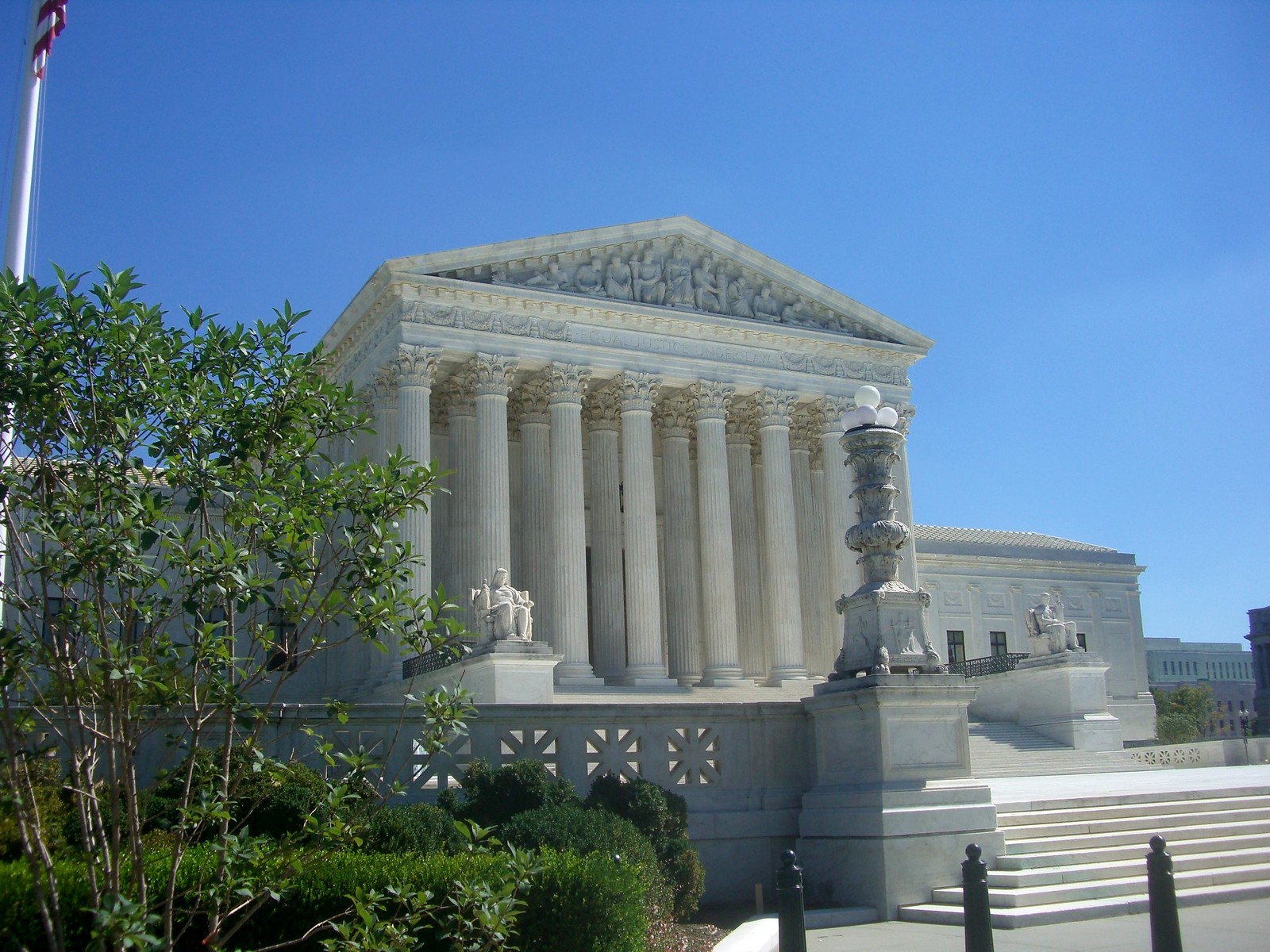
Supreme Court DC

Attending a session at the Supreme Court of the United States is an impressive experience. I was thrilled to listen to the attorneys arguing their case but was especially awed by the Justices. Those men and women are wicked smart which is comforting to witness since, as one of our three branches of government, their decisions affect all citizens of the United States.

It’s not easy to get tickets for the popular cases (those highlighted in the media) but it’s worth making the attempt to get in. I recommend getting in line early for the “hot” cases. If you’re interested in attending a court session, seating is on a first-come, first-seated basis. A line forms in the morning on the plaza in front of the building.

At approximately 9:30 a.m., limited seats are given out for the entire argument. If you don’t get tickets for that day, the police officers will start a “three-minute line,” which allows visitors to observe the Court in session for a brief period of time from the back of the courtroom. To find out if the Court is in session (Oct-April), click here for the schedule.

The Supreme Court building is located at 1 First Street, NE (between East Capitol St & Maryland Ave) and is open to the public Mon-Fri from 9 a.m. to 4:30 p.m., excluding federal holidays. If the court isn’t in session, you can still visit a Courtroom Lecture, Visitors’ Film and Exhibitions.

Supreme Court

Read Full Post »
« Newer Posts - Older Posts »